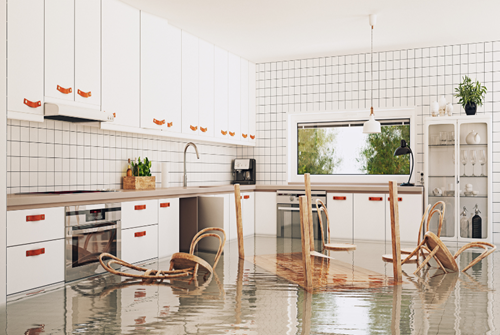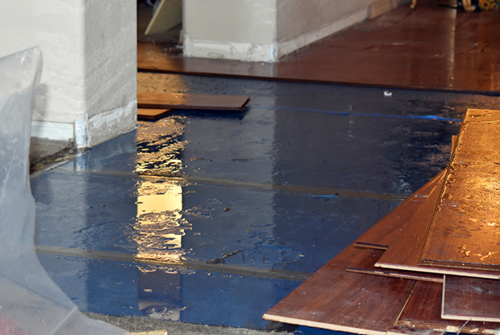
A small ceiling stain may seem harmless, but water rarely stays where it first enters. It can travel through insulation, framing, drywall, and wall cavities, so the visible damage is often only part of the problem.
This guide to roof leak water damage in Johnstown homes and buildings explains what causes roof leaks, how water spreads, and what to do before the damage gets worse. If you're dealing with water damage in Johnstown, understanding the difference between roof repair and interior restoration can help you avoid more extensive repairs.
Johnstown's storms, snow, ice, wind, and freeze-thaw cycles can all take a toll on roofing systems. Combined with aging materials or installation issues, even a small roof leak can quickly become a much larger problem.
Key Takeaways
- A ceiling stain may be far from the true source of the leak.
- Roof repair stops new water from entering, while restoration addresses wet insulation, drywall, framing, paint, and other interior damage.
- Fast action can reduce mold growth, structural damage, repair costs, and the need for partial or complete material replacement.
Why Roof Leaks Start
A roof works as a complete system. Shingles or membranes shed water, flashing protects joints, and gutters carry runoff away. When one part fails, water can enter the building.
Storm and wind damage
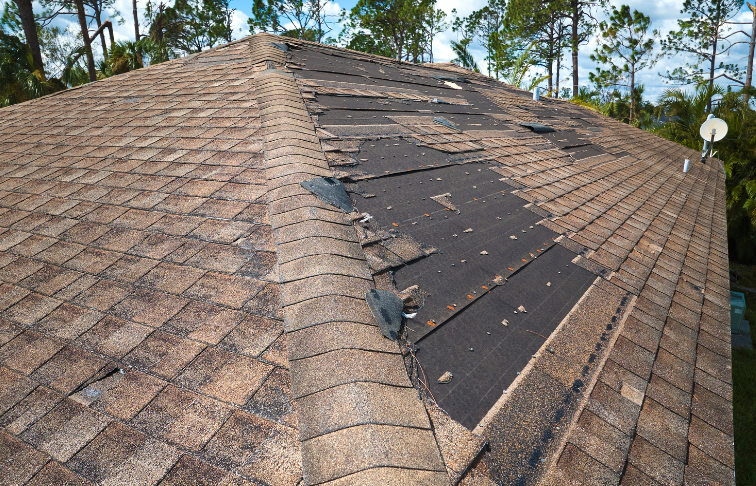
High winds can lift or remove shingles, exposing the materials beneath them. Wind-driven rain may then enter through openings that are difficult to see from the ground.
Hail, falling branches, and debris can also damage shingles, flashing, vents, or roof decking. A roof may appear intact after a storm while still having small openings that leak during the next rainfall.
Snow, ice, and freeze-thaw cycles
Snowmelt can create problems when water cannot drain properly. Ice may collect near roof edges, gutters, valleys, and other vulnerable areas, allowing water to move beneath shingles.
Repeated freezing and thawing can widen small gaps, crack sealants, and loosen flashing over time.
Aging materials
Roofing materials naturally deteriorate through years of weather exposure. Shingles may become brittle, lose granules, curl, or crack. Flashing can corrode, and sealants around vents, skylights, or chimneys can fail.
An older roof does not always require replacement, but aging materials can make leaks more likely and limit practical repair options.
Installation issues
Even newer roofs can leak when materials were installed incorrectly. Common issues include poor flashing, inadequate underlayment, improper fasteners, and weak seals around vents or skylights.
Repeated patching may not solve the problem if the underlying installation issue remains.
Drainage problems
Clogged gutters, blocked roof drains, damaged downspouts, and ponding water can place added stress on a roofing system. Water that cannot drain effectively may back up beneath shingles or enter near roof edges and walls.
The Ceiling Stain May Not Reveal the True Source
Most people expect a roof leak to appear directly beneath the damaged shingle or opening. In reality, water often travels before it becomes visible.
It may follow rafters, decking, pipes, wiring, or framing before soaking insulation and reaching the ceiling. The visible stain may appear several feet from the true source.
That is why accurate leak detection is critical. Fixing only the area above the stain may leave the original problem unresolved. A complete assessment may include the roof surface, attic, insulation, decking, framing, walls, and ceiling.
Signs of Roof Leak Water Damage
Some leaks create an obvious drip during a storm. Others remain hidden for weeks or months.
Ceiling stains
Brown, yellow, or dark rings on the ceiling are common warning signs. A stain may grow after rain, fade during dry weather, and return with the next storm.
Bubbling or peeling paint
Moisture behind paint can cause bubbling, blistering, cracking, or peeling on ceilings and walls. Repainting without fixing the leak and drying the area only hides the problem.
Damp or soft drywall
Wet drywall may feel soft, swell at the seams, sag, or crumble. Ceiling drywall can become heavy and unstable, creating a safety risk.
Stay out of rooms with visible sagging or bulging ceilings.
Musty odors
A persistent musty smell may indicate hidden moisture or mold growth in insulation, drywall, attics, or wall cavities.
Wet insulation and higher energy bills
Wet insulation loses effectiveness and may contribute to uneven indoor temperatures or higher energy bills. It can also hold moisture against framing and drywall, increasing the risk of hidden damage.
Exterior damage
Outside, watch for damaged shingles, loose flashing, missing shingle tabs, clogged gutters, roof debris, damaged vents, or standing water on low-slope areas.
Avoid climbing onto a wet, steep, icy, or damaged roof.
What to Do When You Notice a Roof Leak
Focus first on safety, limiting interior damage, and getting the right help.
Protect the area
Move furniture, electronics, rugs, personal items, and other property away from the water. Place a container beneath active drips and use towels to manage minor surface water.
Keep people and pets away from sagging ceilings, wet light fixtures, outlets, wiring, or other electrical systems.
Limit additional water entry
Temporary tarping may help protect the property until permanent roof repair can be completed. However, roof access can be dangerous during or after a storm, so leave temporary protection to qualified professionals when conditions are unsafe.
A temporary patch is not a permanent repair. The underlying failure still needs to be identified and corrected.
Document the damage
Photograph the roof, ceiling, walls, flooring, furniture, and other affected areas. Note when the leak appeared and whether it followed a storm.
Save damaged personal items when practical, along with estimates, invoices, and receipts. This documentation may support an insurance claim.
Contact the right professionals
A roofer repairs the opening that allowed water inside. A restoration company assesses what the water affected, dries the structure, removes damaged materials when necessary, and completes interior repairs or reconstruction.
Many roof leak losses require both services. Fixing a damaged shingle does not dry wet insulation, drywall, framing, or walls.
Roof Repair or Roof Replacement?
Not every leak requires roof replacement. The right option depends on the source, roof condition, and extent of the damage.
When roof repair may be enough
A targeted repair may work when the damage is limited to one area and the rest of the roof remains in good condition. Examples include a few damaged shingles, isolated flashing failure, or a small puncture.
When replacement may be more practical
Roof replacement may be the better long-term option when there is widespread shingle failure, repeated leaks, deteriorated decking, extensive weather exposure, or aging materials throughout the system.
Replacement may also make sense when repeated repair costs continue to rise without resolving the problem.
How Roof Leak Damage Is Assessed
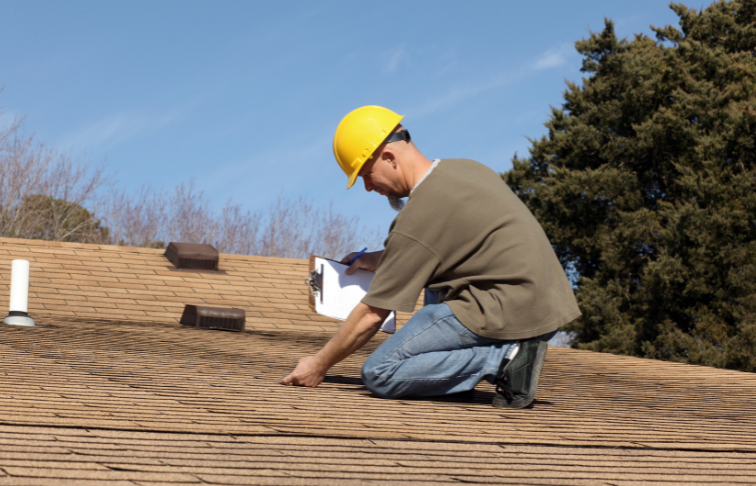
A quality inspection should evaluate both the roof and the interior.
The exterior assessment may include shingles, flashing, valleys, vents, chimneys, skylights, gutters, and roof-to-wall transitions. The goal is to find the true source and any underlying issues that could cause the leak to return.
Inside, restoration professionals may inspect attic insulation, decking, rafters, framing, ceilings, walls, flooring, and electrical areas. Moisture meters can help determine how far the water traveled and whether materials that appear dry still contain moisture.
What Happens During Restoration?
Once the roof is stabilized, the restoration process addresses the damage inside.
1. Control the source
Additional water entry must be stopped through temporary protection or permanent roof repair. Interior drying will not be effective if water continues to enter.
2. Remove water and damaged materials
Standing water is extracted when present. Saturated insulation, damaged drywall, wet carpet padding, swollen trim, and other materials may need to be removed.
Not every wet material requires replacement. The decision depends on the material, how long it remained wet, and whether it can be dried safely.
3. Dry the structure
Air movers and dehumidifiers create controlled drying conditions. Moisture levels are monitored in framing, ceilings, walls, subfloors, and other affected areas until drying goals are reached.
A surface that feels dry may still hold moisture inside.
4. Address mold when necessary
Prolonged moisture exposure can support mold growth. When mold is present, remediation may involve containment, material removal, cleaning, and air-control measures.
Painting over a stained or moldy area does not resolve the moisture source.
5. Repair and rebuild
After drying and remediation, repairs may include replacing insulation, drywall, ceilings, trim, flooring, cabinets, and paint. Structural repairs may also be necessary when moisture has weakened decking, framing, or other components.
What Does Roof Leak Water Damage Cost?
There is no standard price for every roof leak. Repair costs depend on the leak’s location, roof type, accessibility, water spread, and length of moisture exposure.
A small leak caught early may require a targeted roof repair and limited interior drying. A larger loss may involve insulation removal, drywall replacement, mold remediation, framing repairs, repainting, and reconstruction.
Costs may include:
- Emergency roof protection
- Roof inspection and repair
- Roof replacement, when necessary
- Water extraction
- Structural drying
- Mold remediation
- Interior repairs
- Reconstruction
An on-site inspection is the most reliable way to determine the scope and compare repair options.
Will Insurance Cover the Damage?
Coverage depends on the cause of the leak and the terms of the policy.
Damage from a sudden storm, wind, hail, or falling branch may be treated differently from damage caused by aging materials, poor maintenance, or a long-term leak. A policy may cover interior damage while excluding the worn roofing component itself.
Coverage may be limited for wear and tear, neglected maintenance, known damage, repeated leaks, or installation issues.
When filing a claim, document the damage immediately, keep receipts, and preserve affected materials when practical. Ask the insurance company how it handles both the roof repair and the interior restoration, since insurance adjusters may review them separately.
How to Reduce the Risk of Future Leaks
Routine maintenance can catch problems before they become expensive.
Inspect the roof from the ground after major storms and watch for missing shingles, debris, damaged gutters, loose flashing, or changes around vents and chimneys.
Keep gutters, downspouts, and roof drains clear. Trim overhanging branches, and check the attic for stains, damp insulation, daylight through the roof deck, or musty odors.
Address a small leak immediately rather than waiting to see whether it gets worse. Repeated stains or patches may mean the true source has not been resolved.
As the roof ages, schedule professional inspections and discuss repair options before a major failure occurs.
One Team for the Roof and the Damage Below It
A roof leak can leave you coordinating roofing, drying, mold remediation, painting, and reconstruction while also dealing with insurance questions and damaged personal property.
Since 1998, we have helped property owners across Central and Western Pennsylvania recover from damage. Our services include roofing, water damage restoration, mold remediation, cleaning, painting, and construction, allowing one team to manage the recovery from the initial assessment through final repairs.
For roof leak water damage in Johnstown homes and buildings, contact Keystone State Restoration for prompt, professional help.
Conclusion
A roof leak is rarely limited to the place where water becomes visible. Moisture may travel through insulation, framing, ceilings, and walls before you notice a stain or drip.
Act immediately by protecting the area, avoiding electrical hazards and sagging ceilings, documenting the damage, and arranging both roof repair and an interior assessment.
Fixing the roof is only part of the process. Finding the true source, drying hidden moisture, and repairing affected materials are what prevent a small leak from becoming a recurring problem.
Frequently Asked Questions
Can a small roof leak cause serious water damage?
Yes. Even a small leak can spread through insulation, drywall, framing, and wall cavities before it becomes visible. The longer moisture remains, the greater the risk of mold growth, structural damage, and higher repair costs.
Should I call a roofer or a restoration company first?
You may need both. A roofer stops the source of the leak, while a restoration company addresses the water damage inside the property. If water has reached ceilings, walls, insulation, flooring, or electrical areas, interior assessment and drying should begin as soon as possible.
Does homeowners’ insurance cover roof leak water damage?
Coverage depends on the cause of the leak and the policy. Damage from a sudden storm, wind, hail, or falling branch may be covered, while long-term leaks, wear and tear, poor maintenance, or aging materials may not be. Document the damage and contact your insurance company promptly.