Water damage does not always start with a flooded basement or water pouring through the ceiling. Sometimes, it begins with a washing machine hose dripping behind the appliance, a refrigerator line leaking beneath the floor, or a water heater slowly releasing moisture.
Knowing about appliance leaks and water damage common causes in Johnstown properties can help you catch problems before they spread. For property owners concerned about water damage in Johnstown, the source may be inside the home, such as an appliance or plumbing failure, or outside, such as a damaged roof, clogged gutters, or heavy rainfall.
Knowing where problems commonly start and which warning signs matter can help protect your property from mold, damaged materials, and costly repairs.
Key Takeaways
- Washing machines, dishwashers, refrigerators, water heaters, and air conditioning systems can all cause hidden water leaks.
- Minor leaks can damage floors, walls, cabinets, and other materials before becoming obvious.
- Regular inspections and prompt repairs can reduce the risk of mold growth, structural damage, and higher repair costs.
Which Appliances Are Most Likely to Leak?
Any appliance connected to your water supply or drainage system can leak. Some failures happen suddenly, while others release small amounts of water over time.
Washing machines
Washing machines can release significant amounts of water if a supply hose breaks or a connection comes loose. Drain hose problems, damaged seals, and other appliance malfunctions can also cause leaks.
Check for dampness behind the machine, water around hose connections, or moisture that appears during a wash cycle. Upper-floor laundry rooms deserve extra attention because water can reach the rooms below.
Dishwashers
Dishwasher leaks can remain hidden beneath cabinetry. Damaged connections, drainage problems, worn seals, or internal failures may allow water to reach nearby floors and cabinets.
Warped flooring, swollen cabinetry, moisture around the appliance, or a musty smell are all signs worth investigating.
Refrigerators
Refrigerators with ice makers or water dispensers have supply lines that can develop slow water leaks.
Because these lines are typically hidden behind the appliance, moisture may reach flooring, baseboards, or nearby walls before the problem is noticed.
Water heaters
Water heaters can leak from valves, fittings, plumbing connections, or the tank itself. Check periodically for corrosion, dampness, staining, or water around the base.
Air conditioning systems
Air conditioning systems produce condensation that must drain correctly. A clogged condensate line, overflowing drain pan, or pump failure can introduce moisture into nearby walls, ceilings, basements, or crawl spaces.
Keeping heating and cooling equipment properly maintained can help catch these problems earlier.
What Else Can Cause Water Damage Inside Your Property?
Not every indoor water problem comes from faulty appliances. Your plumbing system, drains, and fixtures contain many potential leak points.
Leaky and burst pipes
Leaky pipes can develop behind walls, beneath a sink, or above ceilings. Aging materials, damaged connections, corrosion, and other plumbing problems can all contribute.
A slow leak may gradually damage drywall, insulation, wood, and flooring. Burst pipes, on the other hand, can release large amounts of water quickly and cause significant water damage.
Clogged drains and faulty fixtures
Clogged drains can cause sinks, tubs, showers, and toilets to overflow. Leaky faucets and other faulty fixtures can also expose surrounding materials to moisture.
These problems should be addressed promptly, especially when water is reaching cabinets, floors, or adjoining rooms. If sewage or wastewater is involved, additional health hazards may also be present.
How Can Water Get In From Outside?
Some of the most common causes of water damage begin outside the building.
Roof leaks
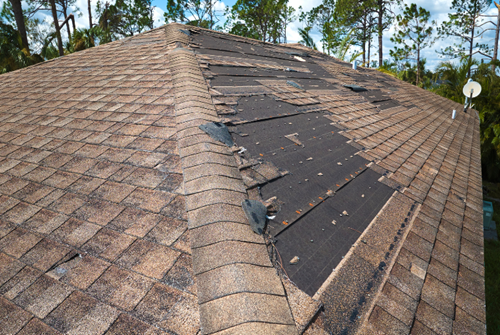
Roof leaks can develop because of damaged shingles, worn flashing, aging materials, or storm damage.
Water may move through the attic and insulation before appearing as stains on ceilings, bubbling paint, or damp drywall. Inspecting the roof after major storms can help identify damage before moisture spreads farther.
Clogged gutters
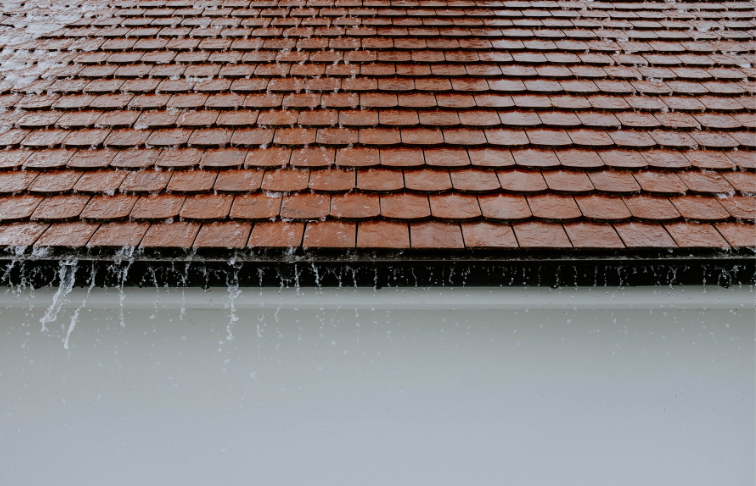
Gutters and downspouts are designed to direct rain away from your property. Leaves and other debris can create clogged gutters, causing water to overflow around the roofline, siding, walls, or foundation.
Keeping gutters clean is a simple way to reduce this risk.
Poor grading and drainage
Poor grading can direct runoff toward the foundation rather than away from it. Combined with ineffective drainage systems, this can lead to water entering basements and lower areas.
Proper exterior drainage is essential, particularly during periods of frequent or heavy rain.
How Does Johnstown Weather Affect Water Damage Risk?
Heavy rainfall, storms, freezing temperatures, and localized flooding can put several parts of a Johnstown property under pressure at once.
Rain can expose weaknesses in the roof, overwhelm gutters, and saturate soil around the foundation. Cold conditions can create a different risk when vulnerable pipes freeze and burst.
While natural disasters can cause sudden damage, routine weather can reveal problems too. Maintaining roofing, drainage, plumbing, and other vulnerable systems can help prepare your property for changing conditions.
Why Are Hidden Leaks Such a Problem?
A visible puddle is easy to notice. Water leaking behind an appliance or inside a wall is not.
Moisture can move beneath flooring, soak drywall, enter insulation, and spread into adjoining areas. That is why minor leaks can eventually cause significant damage.
Prolonged exposure can soften drywall, warp floors, swell wood, and contribute to rotting wood. What began as a small repair may eventually require the replacement of damaged building materials.
Stopping the source and drying the affected areas quickly can help limit further damage.
What Are the Signs of Hidden Water Damage?
Watch for:
- Water stains on walls or ceilings
- Peeling or bubbling paint
- Warped or soft floors
- Swollen cabinets or baseboards
- Sagging ceilings
- Musty odors
- Visible mold
- Unexplained dampness
- Dripping or running water sounds
- Moisture around appliances
- Damp basements or crawl spaces
Location can provide a clue to the source. Moisture behind a refrigerator suggests a different problem than a ceiling stain that appears after heavy rain.
What Happens When Water Damage Is Left Untreated?
One of the biggest concerns is that moisture can continue causing problems after the original leak occurs.
Mold growth
Persistent moisture can support mold growth beneath floors, behind appliances, under cabinets, and inside walls.
Depending on the extent, professional mold remediation may be necessary. Mold can also present potential health hazards, particularly for sensitive individuals.
Damage to building materials
Repeated exposure can weaken drywall, subflooring, framing, ceilings, and other materials. Over time, this can contribute to structural issues and structural damage.
Addressing the source early can help prevent a manageable leak from turning into extensive damage and more expensive repairs.
What Should You Do When You Find Water Damage?
If it is safe, stop the source first. For an appliance or fixture leak, this may mean shutting off its water supply. A larger plumbing failure may require shutting off the property's main valve.
Do not enter standing water if electrical outlets, wiring, or energized appliances may be involved. Stay away from sagging ceilings or visibly unstable materials.
When safe, move belongings away from the water and photograph the damage, in case an insurance claim may be necessary.
For larger incidents, immediate action may include professional water extraction and drying. Removing standing water alone does not necessarily eliminate moisture trapped beneath floors or behind walls.
How Can You Reduce the Risk of Water Damage?
You cannot prevent every leak or storm, but routine maintenance can reduce many avoidable water-related issues.
Inspect washing machine hoses, refrigerator water lines, dishwasher connections, and water heaters for signs of moisture or deterioration. Check exposed plumbing and look beneath sinks for drips or staining.
Outside, keep gutters and downspouts clear, inspect the roof after severe weather, and make sure grading and drainage direct water away from the building.
Include these areas in regular inspections rather than waiting for visible damage. Properly maintained HVAC equipment can also help prevent condensate problems while supporting normal operation and energy efficiency.
When Do You Need Professional Water Damage Restoration?
Fixing the source and restoring the property are two different jobs.
A plumber may repair a broken pipe, an appliance technician may fix a malfunction, or a roofer may stop a roof leak. But if water has already soaked into building materials, professional restoration may still be necessary.
Restoration can include water extraction, moisture detection, structural drying, cleaning, removal of materials that cannot be restored, mold remediation, and reconstruction.
Professional help is especially important when water has spread through multiple rooms, entered walls or ceilings, remained hidden for an extended period, or involved sewage, electrical concerns, mold, or possible structural instability.
Restore Your Johnstown Property With Keystone State Restoration
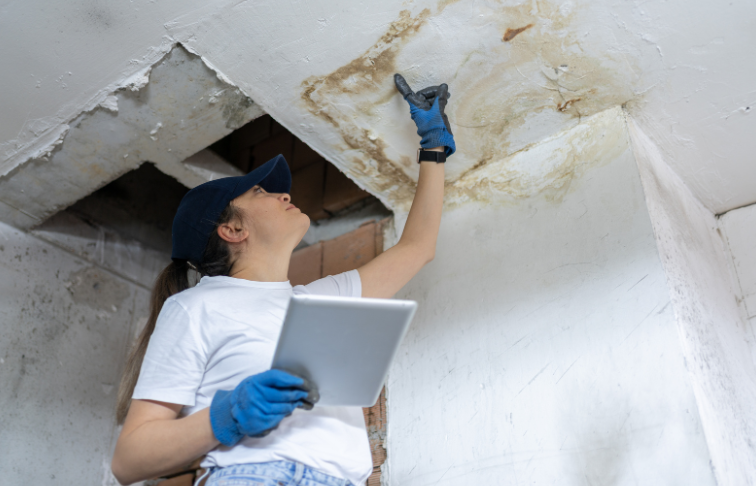
When water enters your property, stopping the source is only the beginning. Moisture may remain beneath floors, inside walls, and in other areas you cannot easily see.
At Keystone State Restoration, we help Johnstown-area homeowners and businesses recover from water damage. Our services include water damage restoration, mold remediation, fire damage restoration, cleaning, and reconstruction. We also work with insurance companies to help simplify the claims process.
If your property has experienced water damage from an appliance, plumbing failure, storm, or another source, call Keystone State Restoration for prompt professional assistance.
Conclusion
Water damage rarely stays where it starts. An appliance leak can spread beneath the flooring, a plumbing leak can travel inside a wall, and clogged gutters can send water toward vulnerable areas of the building.
Knowing the common causes of water damage makes it easier to catch problems early. Keep appliances, plumbing, roofing, gutters, and drainage maintained, and investigate new stains, odors, or dampness instead of waiting for them to worsen.
Most importantly, act quickly. When water damage is addressed promptly, you have a better chance of limiting mold, material deterioration, and costly repairs.
Frequently Asked Questions
What appliances are most likely to cause water damage?
Washing machines, dishwashers, refrigerators with water connections, water heaters, and air conditioning systems are common sources. Leaks may come from supply hoses, drains, seals, fittings, or other components.
Can a small appliance leak cause significant water damage?
Yes. A slow leak can spread beneath floors, behind walls, or under cabinets before becoming visible, potentially damaging building materials and contributing to mold growth.
What are the first signs of hidden water damage?
Common signs include water stains, musty odors, warped flooring, peeling paint, swollen cabinetry, soft drywall, unexplained dampness, and dripping sounds.
Can clogged gutters cause water damage inside a home?
Yes. Overflowing gutters can direct rainwater toward the roofline, siding, walls, or foundation instead of safely away from the property.
Can water damage cause mold?
Persistent moisture can create conditions that support mold growth, including in concealed areas behind walls or beneath floors.
Should I Call a Plumber or a Water Damage Restoration Company?
A plumber repairs plumbing-related issues such as leaking or burst pipes. A restoration company addresses the resulting water damage through extraction, drying, cleaning, and restoration. Some situations require both.
When Is Water Damage an Emergency?
Active flooding, burst pipes, sewage backups, electrical hazards, rapidly spreading water, or sagging ceilings require immediate attention. Avoid unsafe areas and contact the appropriate professionals.