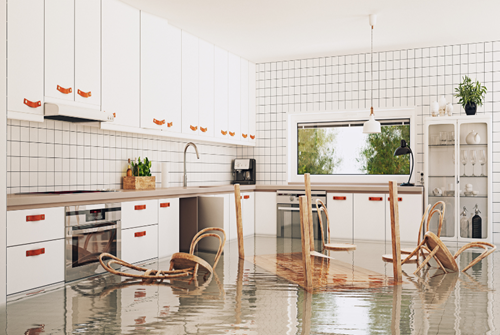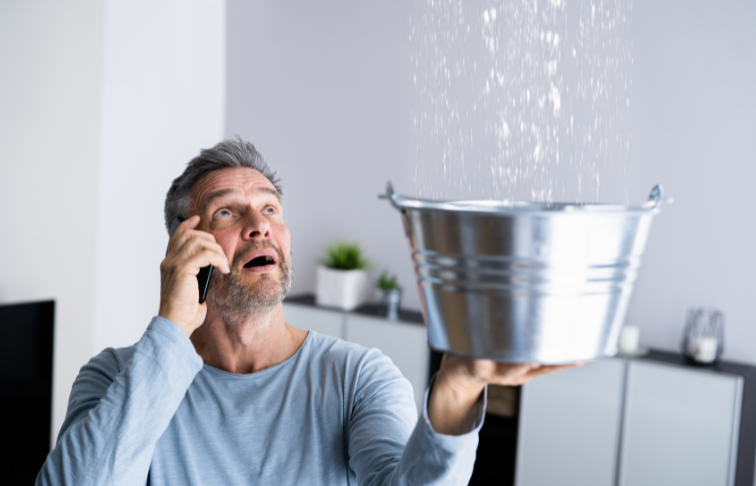
A burst pipe can release a large amount of water in just minutes, soaking drywall, flooring, insulation, furniture, and personal belongings.
Once water reaches electrical outlets or structural materials, a plumbing problem can quickly turn into a serious property emergency.
This guide to burst pipe water damage in Johnstown: causes, costs, and cleanup explains why pipes fail, what to do first, how cleanup works, and what affects the cost. If you're dealing with water damage in Johnstown, acting quickly can reduce repairs, shorten drying time, and lower the risk of mold growth.
Key Takeaways
- A burst pipe requires immediate action to stop the water, avoid electrical hazards, and limit further damage.
- Professional extraction and structural drying help uncover hidden moisture, reduce mold risk, and prevent costly repairs.
- Insulating vulnerable pipes, maintaining heat, sealing drafts, and testing the main shutoff valve can lower the risk of future pipe bursts.
Why Pipes Burst in Johnstown Homes
Cold weather is a leading cause of pipe failures in Central Pennsylvania. When water freezes inside a pipe, pressure builds until the pipe cracks or splits. The damage may not appear until the ice thaws and water begins escaping through the break.
Pipes are most vulnerable in:
- Crawl spaces
- Basements
- Garages
- Attics
- Utility rooms
- Exterior walls
- Cabinets along outside walls
- Other unheated or poorly insulated areas
Freezing temperatures are not the only cause. Corrosion, aging pipe material, high water pressure, damaged supply lines, poor installation, foundation movement, gradual leaks, and lack of regular maintenance can also lead to failure.
Even a minor leak can become a major emergency when pressure, corrosion, or freezing weakens the pipe further.
Warning Signs of a Pipe Problem
Some pipe failures happen suddenly, but many show warning signs first.
Low water pressure
A sudden drop in water pressure may indicate a frozen pipe, blockage, or hidden leak. If pressure falls throughout the house, the issue may be more widespread.
Frost on exposed pipes
Visible frost means a pipe may be at risk of freezing. Use gentle heat from a hair dryer, heating pad, or warm towels to thaw it safely. Never use an open flame, torch, or high-heat device.
Unusual plumbing noises
Banging, whistling, bubbling, or rattling can point to pressure changes, trapped air, or restricted water flow.
Water stains or damp areas
Discoloration on walls, ceilings, or floors may signal a hidden leak. Even a small stain can indicate moisture behind the surface.
Musty odors
A musty smell may mean moisture is trapped inside drywall, insulation, flooring, or wall cavities. Because mold can begin growing quickly, unexplained odors should not be ignored.
What to Do After a Pipe Bursts
Quick action can limit water damage and reduce restoration costs. Start by stopping the water and making sure the area is safe.
Shut off the water
Turn off the main water shutoff valve, then open nearby faucets to relieve pressure and drain the lines. If the valve is inaccessible, damaged, or will not close, call emergency plumbing services.
Avoid electrical hazards
Stay out of standing water near electrical outlets, appliances, extension cords, light fixtures, or the electrical panel. Only shut off power if you can safely reach the breaker without crossing a wet area.
Move belongings
If it is safe, move furniture, electronics, documents, rugs, and other valuables away from the water. Placing foil or wood blocks beneath furniture legs may help prevent staining.
Document the damage
Take photos and videos of the failed pipe, standing water, damaged rooms, wet materials, and affected belongings before cleanup begins. Keep receipts for emergency repairs, cleanup expenses, and temporary housing to support a homeowners’ insurance claim.
Call a plumber and a restoration company
A plumber can repair the pipe, but pipe repair alone will not remove moisture trapped behind walls, beneath flooring, inside insulation, above ceilings, or between floors.
Professional water extraction, moisture testing, and structural drying can help prevent hidden damage, mold growth, and more extensive repairs.
Why Fast Action Matters
Water keeps spreading after the leak stops. It can soak drywall, move beneath flooring, enter crawl spaces, and damage structural materials.
Household vacuums are not designed for large water losses and may create an electrical hazard. Professional restoration teams use extraction systems, moisture meters, air movers, and dehumidifiers to find hidden moisture and dry affected areas properly.
The sooner cleanup begins, the better the chance of saving materials and avoiding replacement.
What Happens During Burst Pipe Cleanup?
Removing standing water is only the beginning. Moisture can remain inside walls, insulation, subfloors, and framing even after surfaces appear dry.
A professional water damage restoration process locates the moisture, removes the water, dries the structure, and repairs the damage.
1. Inspecting the damage
Restoration professionals determine where the pipe burst, how far the water traveled, how long it may have been running, and which materials can be saved.
Moisture meters and other professional-grade equipment help detect water behind walls, beneath floors, inside ceilings, and around structural elements. These findings guide the drying plan.
2. Removing standing water
Once the source is stopped and the area is safe, professional water extraction begins.
Industrial pumps and extraction equipment remove water from floors, carpets, and other affected materials. Fast extraction limits saturation and prepares the property for drying.
3. Drying the structure
Visible dryness does not mean the structure is fully dry. Moisture may remain in framing, subfloors, insulation, drywall, cabinets, and ceiling cavities.
Commercial air movers and high-capacity dehumidifiers improve air circulation and pull moisture from affected materials. Moisture readings are monitored until safe drying levels are reached.
4. Removing unsalvageable materials
Whether a material can be saved depends on the level of saturation, the water source, and how quickly cleanup began.
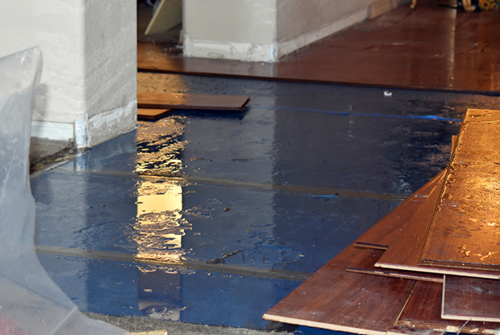
Saturated drywall, wet insulation, damaged flooring, carpet padding, swollen cabinets, and trim may need to be removed. This allows the remaining structure to dry and prepares the area for permanent repairs.
Water from a broken supply line may become contaminated after sitting or contacting dirty surfaces. Sewer water requires containment, removal, cleaning, and sanitizing because of the health risks.
5. Repairing and rebuilding
After drying is complete, repairs may include replacing drywall, flooring, cabinets, trim, and paint, along with structural repairs and final plumbing work.
Homes with extensive damage may require complete replacement of some materials. The goal is to restore the property safely, not simply make it look dry.
How Much Does Burst Pipe Water Damage Cost?
Costs vary based on how quickly the leak is found, how much water escapes, where the pipe is located, and which materials are damaged.
As a general benchmark, pipe repair may cost about $200 to $1,000, while moderate water damage restoration may range from roughly $1,000 to $6,000. Severe losses involving multiple floors, mold remediation, structural damage, or reconstruction can cost much more.
These are broad estimates. An on-site inspection is the best way to determine the full scope and actual cost.
What Affects Restoration Costs?
Common cost factors include:
- The square footage affected
- The pipe location and accessibility
- The amount of standing water
- The length of time materials remained wet
- Whether one room or multiple floors were affected
- The type of affected materials
- The extent of structural damage
- Whether mold remediation is needed
- Electrical or plumbing repairs
- The amount of reconstruction required
It is also important to separate the burst pipe repair cost from the cost of restoring the property.
A plumber may be able to repair the broken section quickly, but water extraction, drying, material removal, and reconstruction are separate parts of the recovery.
Minor cleanup
A small leak discovered quickly may require limited extraction, targeted drying, and minor repairs. When materials have not remained wet for long, more of them may be salvageable.
Moderate restoration
Water affecting several rooms may require professional extraction, structural drying, drywall removal, flooring repairs, and repainting.
Extensive restoration
When water reaches multiple floors, remains hidden for several days, or causes significant damage, the work becomes more involved. Mold remediation, structural repairs, electrical work, and replacement of major building materials may be necessary.
The best way to understand restoration costs is through a professional inspection. A detailed assessment identifies both visible and hidden damage, helping prevent unexpected issues later.
Does Homeowners Insurance Cover Burst Pipe Damage?
Coverage often depends on why the pipe burst and whether the loss was sudden and accidental.
When damage may be covered
Many policies cover resulting water damage from a frozen pipe, sudden supply line failure, or unexpected water heater rupture. Coverage may apply to damaged drywall, flooring, and other materials, but not necessarily the failed plumbing component itself.
Because policies vary, confirm coverage with your insurance company.
When coverage may be limited
Coverage may be reduced or denied for gradual leaks, deferred maintenance, known plumbing problems, unrepaired recurring leaks, preventable freezing in an unheated property, or failure to limit further damage after the loss.
Tips for filing an insurance claim
After a burst pipe:
- Contact your insurance company promptly.
- Take photos and videos before removing damaged materials.
- Keep damaged items until the adjuster provides instructions.
- Save receipts for emergency repairs and temporary housing.
- Record claim-related conversations.
- Keep copies of estimates, invoices, and drying documentation.
- Follow the insurer’s instructions while taking reasonable steps to prevent further damage.
Clear records can strengthen your claim and show how you worked to limit the loss.
How to Reduce the Risk of Frozen and Burst Pipes
No plumbing system is failure-proof, but a few simple steps can lower the risk.
Insulate vulnerable pipes
Pipes in crawl spaces, attics, garages, basements, and exterior walls are more likely to freeze. Pipe sleeves or similar insulation can help protect exposed lines from cold air.
Keep the thermostat at 55°F or higher
Maintain a steady indoor temperature during freezing weather. If you leave home, keep the thermostat at 55°F or above unless your plumbing or insurance provider recommends otherwise.
Opening cabinet doors beneath sinks can also help warm air reach pipes along exterior walls.
Let vulnerable faucets drip
During severe cold, allow a small stream of water to flow from faucets connected to exposed pipes. This can relieve pressure and reduce the chance of a rupture.
Seal cold-air leaks
Seal drafts around windows, doors, foundation openings, utility penetrations, and plumbing entry points. Even a small gap can expose nearby pipes to freezing air.
Disconnect outdoor hoses
Remove hoses before winter and shut off exterior water lines when possible. Trapped water can freeze inside the faucet or nearby pipe.
Maintain the plumbing system
Regular maintenance can uncover corroded pipes, worn supply lines, high water pressure, slow leaks, and aging materials before they cause a burst.
Find and test the main shutoff valve
Make sure household members know where the main water shutoff valve is and how to use it. Test it periodically so it works when needed.
Why Professional Restoration Can Make All the Difference
A homeowner may be able to dry a very small, contained spill. A larger loss is different. Water can move beyond the visible area and remain inside materials that feel dry from the outside.
Professional restoration teams can:
- Remove standing water quickly
- Locate hidden moisture
- Take and document moisture readings
- Establish controlled air circulation
- Complete structural drying
- Remove unsalvageable materials
- Reduce the risk of mold growth
- Document work for an insurance claim
- Coordinate permanent repairs
Professional restoration is especially important when water has reached multiple rooms, saturated drywall, entered crawl spaces, affected electrical systems, or remained undiscovered for an extended period.
Why Johnstown Homeowners Choose Keystone State Restoration
A burst pipe can leave you with standing water, damaged materials, insurance questions, and the stress of figuring out what to do next. Instead of coordinating multiple contractors, you need one team that can handle the recovery from start to finish.
Since 1998, we've helped homeowners across Central and Western Pennsylvania recover from water damage. From emergency water removal and structural drying to mold remediation, cleaning, fire damage restoration, and reconstruction, we manage every step needed to restore your home.
If you're dealing with burst pipe water damage in Johnstown, contact us today for fast, professional restoration services.
Conclusion
A burst pipe can cause serious damage fast, but the right response can limit the loss.
Shut off the water, avoid electrical hazards, document the damage, and arrange plumbing repair and professional cleanup. Prompt water extraction and structural drying can reduce mold risk, protect building materials, and control restoration costs.
You can also lower future risk by insulating exposed pipes, maintaining indoor heat, sealing drafts, checking aging plumbing, and knowing where the main shutoff valve is located.
Frequently Asked Questions
How quickly should cleanup begin after a burst pipe?
Cleanup should begin as soon as the water source is stopped and the area is safe. Water can quickly soak into drywall, flooring, insulation, and other building materials. Prompt extraction and drying may reduce the amount of material that must be replaced.
Can mold grow after a burst pipe?
Yes. Mold may begin developing when wet materials remain damp. Hidden moisture behind walls or beneath flooring is one reason professional moisture testing and structural drying are important.
Does homeowners insurance cover frozen pipe damage?
It may. Damage caused by a sudden and accidental pipe burst is often covered, while damage linked to gradual leaks, poor maintenance, or preventable freezing may not be. Review your policy and contact your insurance company for guidance.
How long does structural drying take?
Many drying projects take several days, but the timeline depends on the amount of water, the materials involved, and how far moisture traveled. Reconstruction takes place after drying goals have been reached.