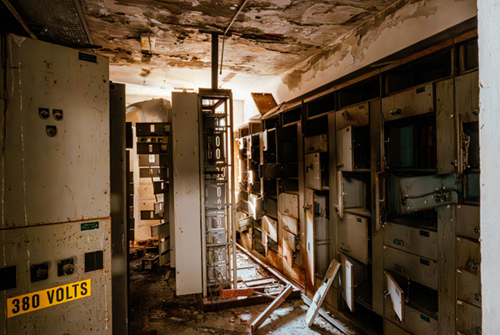
Imagine arriving at your office Monday morning to find water dripping from the ceiling, soaked carpets, and computers surrounded by standing water. Employees are ready to work, customers are expecting service, and suddenly, your entire day revolves around an unexpected emergency.
Water damage restoration for office buildings in Johnstown, PA involves more than removing water. It's about protecting valuable equipment, keeping employees safe, and getting your business running again with minimal disruption.
Whether you're dealing with burst pipes, a roof leak, or storm damage, knowing what to do next can save valuable time. If you're facing water damage in Johnstown, understanding the restoration process can help you make informed decisions and avoid costly mistakes.
Key Takeaways
- Prompt water extraction and professional restoration help prevent further damage, mold growth, and costly repairs.
- A well-planned restoration process helps safeguard employees, equipment, and important records while minimizing downtime.
- Regular maintenance, leak detection, and an emergency response plan can help reduce the risk of water damage in office buildings.
What Causes Water Damage in Johnstown Office Buildings?
Office buildings have interconnected plumbing, electrical systems, and shared spaces. Even a small leak can spread through walls, ceilings, and floors before anyone notices.
Common causes of commercial water damage include the following:
Burst pipes and plumbing leaks
Pennsylvania's freezing winters can put office plumbing at risk. When water freezes inside poorly insulated pipes, it expands and may cause them to burst.
Leaks can also develop in restrooms, break rooms, utility closets, and aging plumbing systems. If they occur overnight or during weekends, significant damage may develop before anyone discovers the problem.
Roof leaks and severe weather
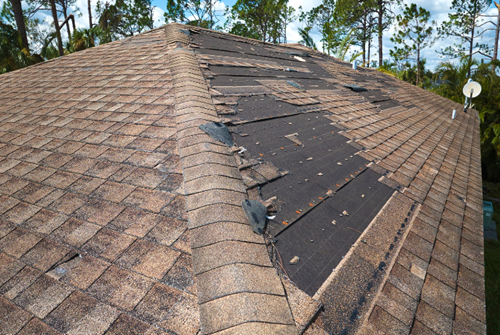
Heavy rain, snow, and strong winds can damage commercial roofing systems. Water may enter through damaged flashing, clogged drains, or deteriorating roofing materials.
Common warning signs include stained ceiling tiles, peeling paint, damp carpets, and musty odors. Since water can travel through ceiling cavities, the visible damage may represent only part of the problem.
HVAC, sprinkler, and sewage problems
Clogged HVAC condensate drains, sprinkler system failures, and overflowing plumbing fixtures can release water into office spaces.
A sewage backup requires particular caution because wastewater may contain harmful microorganisms. Professional cleaning services and specialized biohazard cleanup procedures may be necessary when contamination is present.
Outdoor floodwater can also carry bacteria, chemicals, and other contaminants. Unlike water from a clean supply pipe, floodwater should be treated as potentially contaminated until properly assessed.
What Should You Do Immediately After Office Water Damage?
Water damage can quickly become a stressful situation, especially when employees cannot work and important equipment is at risk.
The priority is to act quickly while keeping everyone safe.
- Secure the affected areas. Keep employees and visitors away from standing water, electrical hazards, slippery floors, and unstable ceilings. Contact emergency services if there is an immediate danger.
- Stop the water source when safe. Shut off the appropriate water valve only if you can reach it safely. Never enter standing water to access a shutoff valve, electrical panel, or equipment. If water may have reached wiring or electrical systems, have qualified personnel isolate the affected electrical supply and inspect the system before power is restored.
- Protect valuable assets. Move unaffected documents, furniture, and portable equipment away from moisture when safe. Never turn on wet computers or electrical devices.
- Document the damage. Photograph affected rooms, flooring, ceilings, furniture, and equipment. Record when the damage was discovered and notify the appropriate property owners or insurance representatives.
- Contact restoration professionals. A prompt response helps limit further damage and allows water extraction, contamination control, and drying to begin as soon as conditions permit.
Attempting major cleanup without the right tools can leave hidden moisture behind or expose employees to unnecessary risks. Professional assistance helps ensure the property is assessed and restored properly.
How Does Professional Office Water Damage Restoration Work?
Removing visible water is only the beginning. Moisture can remain beneath flooring, behind drywall, and inside ceiling cavities long after surfaces appear dry.
A thorough commercial water damage restoration process addresses both visible damage and hidden moisture.
The order of restoration work depends on the water source and site conditions. When contaminated water or mold is present, containment, removal of affected materials, and cleaning may be necessary before air movers are used. Fans should not be used to circulate air across contaminated materials before appropriate precautions are taken.
The following five stages provide a general overview, although some activities may overlap or occur in a different order.
Step 1: Inspect the damage
Restoration professionals identify the water source, assess contamination risks, and determine how far moisture has spread.
Using moisture-detection equipment, they inspect walls, flooring, ceilings, and nearby spaces to develop an appropriate restoration plan.
The inspection also helps determine which materials can be saved and whether specialized cleanup is necessary.
Step 2: Remove standing water
Once the area is safe, technicians use professional extraction equipment to remove water from carpets, flooring, conference rooms, hallways, and other affected areas.
Fast water extraction helps reduce moisture absorption and limits damage to surrounding materials.
When sewage or other contamination is involved, additional protective measures and controlled removal procedures may be required.
Step 3: Dry the building
Structural drying is essential because hidden moisture can lead to deterioration and mold growth.
After contamination risks have been addressed, technicians use commercial air movers, dehumidifiers, and other drying equipment to remove moisture from building materials.
For clean-water damage, the EPA recommends drying affected materials within 24–48 hours where feasible to reduce the risk of mold growth.
This is an important prevention target, not a guarantee that every building will be completely dry within two days.
Full structural drying may take longer depending on the materials and extent of damage. Technicians use moisture measurements to determine when drying goals have been met rather than relying on elapsed time alone.
Step 4: Clean and address contamination
Cleaning and contamination control may begin before or alongside extraction and drying, depending on the conditions.
Restoration work may include carpet cleaning, surface cleaning, sanitizing, and odor removal services.
Sewage-contaminated materials often require removal rather than ordinary cleaning. If visible mold or suspected hidden growth is present, professional mold inspection and mold remediation may also be necessary.
The goal is to address contamination safely while preventing moisture and mold damage from spreading.
Step 5: Repair and restore the office
Some offices require minor repairs, while others need replacement drywall, insulation, flooring, or ceiling materials.
A full-service restoration company can coordinate necessary construction services to help return the building to its pre-loss condition.
The goal is to restore a safe, functional workspace while reducing unnecessary delays.
Which Office Areas Need Special Attention After Water Damage?
Office buildings may contain business-critical technology, confidential records, and shared systems that require careful handling.

Computers, servers, and electrical systems
Water can damage computers, servers, printers, networking equipment, and electrical components.
Even devices that appear dry may contain internal moisture. Avoid powering on affected electronics until qualified professionals have evaluated them.
Electrical equipment exposed to water should be inspected by a qualified electrician before power is restored.
Secure data backups and temporary technology arrangements can help businesses maintain essential operations during restoration.
Carpets, furniture, and important documents
Office carpets and upholstered furniture can absorb moisture quickly. A wet carpet may appear dry on the surface while padding underneath remains saturated.
Materials affected by clean water may be salvageable if extraction and drying begin promptly.
However, carpets and padding exposed to sewage or contaminated floodwater generally require removal and replacement because porous materials can retain contamination.
Important business records also need careful handling, particularly when they contain confidential employee or customer information.
Shared offices and multi-story buildings
Water can travel between floors through ceilings, walls, and plumbing openings.
A leak in one office suite may affect neighboring tenants or workspaces below. Property managers should coordinate inspections, access restrictions, and restoration schedules to keep everyone informed.
Clear communication helps prevent confusion and supports a smoother recovery process.
How Long Does Office Water Damage Restoration Take?
The timeline depends on the severity of the damage, the affected materials, and the repairs required.
A small leak discovered quickly may require limited water removal and drying. Extensive flooding, mold damage, or contaminated water can make restoration more complicated.
Several factors influence the timeline:
- Extent of damage: Larger areas require more equipment and labor.
- Water contamination: Sewage and floodwater require additional cleanup precautions.
- Building materials: Drywall, insulation, carpets, and subfloors have different drying requirements.
- Hidden moisture: Water trapped behind walls or beneath flooring may extend drying time.
- Reconstruction needs: Replacing damaged materials adds time beyond initial cleanup.
Extraction and drying should begin promptly. Complete structural drying may take several days or longer, depending on site conditions, and moisture readings should determine when drying is complete.
Not every damaging event requires closing the entire commercial building. In some cases, unaffected areas can remain operational if they are safe and properly separated from restoration activities.
How Can Businesses Minimize Downtime During Restoration?
Water damage can interrupt appointments, delay projects, displace employees, and cause lost revenue.
While some business disruption may be unavoidable, planning can help reduce its impact.
Keep essential operations running
Identify which departments, equipment, and services are critical.
Remote work, temporary office space, or alternate communication systems may allow employees to continue working while affected areas are restored.
Coordinate with property managers and insurance providers
Commercial restoration often involves building owners, tenants, contractors, and insurance representatives.
Assigning one person to coordinate updates can make communication easier.
Keep photographs, estimates, invoices, and restoration documentation organized throughout the project.
Commercial property insurance may cover sudden and accidental water damage, such as certain burst-pipe losses, subject to policy terms and exclusions.
However, important coverage distinctions apply:
- External flooding: Standard commercial property insurance generally excludes external flood damage, which typically requires separate flood insurance.
- Sewer backups: Sewer backup coverage often requires an endorsement or additional coverage.
- Business interruption: Coverage generally applies only when the interruption results from an insured cause of loss, subject to policy conditions. National Flood Insurance Program commercial flood policies do not cover business interruption losses.
A restoration business may assist with documentation and communicate with your insurer directly when authorized, but coverage decisions remain with the insurer.
Plan for a safe return
Before reopening affected spaces, confirm that drying, cleaning, and necessary repairs are complete.
Electrical systems, structural components, and contaminated areas may require additional professional evaluation.
Keeping employees informed about the restoration schedule and reopening plans helps everyone prepare for a smooth return.
How Can You Prevent Water Damage in Your Office Building?
Not every emergency can be prevented, but routine maintenance can reduce the risk of unexpected property damage.
Office building owners and facility managers should prioritize these steps:
- Inspect plumbing regularly. Check restrooms, break rooms, supply lines, and mechanical equipment for leaks or corrosion.
- Maintain roofing and drainage. Clear roof drains and gutters, inspect flashing, and repair damaged roofing materials.
- Install leak detection devices. Consider water sensors near server rooms, utility spaces, and plumbing connections.
- Prepare for seasonal weather. Protect vulnerable pipes during freezing temperatures and inspect drainage systems before heavy rainfall.
- Create an emergency response plan. Identify water shutoff valves, assign employee responsibilities, and maintain emergency contact information.
Regular inspections can also help identify early warning signs of mold issues, such as recurring moisture, stains, and musty odors.
If mold is suspected, address the moisture source and arrange appropriate professional evaluation rather than covering the problem with paint or relying only on odor removal.
An effective emergency response plan helps your team respond quickly when disaster strikes.
Your Trusted Partner for Office Water Damage Restoration in Johnstown, PA
When water damages your office, you need a restoration company that responds quickly and helps minimize business disruption.
At Keystone State Restoration, we've helped Pennsylvania property owners recover from unexpected disasters since 1998. We provide comprehensive restoration services, including water damage cleanup, mold remediation, and structural reconstruction.
From initial cleanup to final repairs, we focus on dependable service, clear communication, and helping you navigate the insurance claims process. Our goal is to restore your property safely and get your business back on track.
Dealing with office water damage? Contact Keystone State Restoration for professional water damage restoration in Johnstown, PA.
Conclusion
Water damage can disrupt business operations, damage valuable equipment, and create safety concerns. Acting quickly to address hidden moisture, contamination, and necessary repairs helps prevent further damage.
With professional commercial restoration services, businesses can minimize downtime, protect their property, and return to a safe, functional workspace.
Frequently Asked Questions
How quickly should office water damage be addressed?
Immediately. The EPA recommends drying clean-water damage within 24–48 hours when possible to reduce mold growth. Full structural drying may take longer.
Can office carpets be restored after flooding?
Carpets affected by clean water may be salvageable with prompt extraction and drying. However, carpets and padding exposed to sewage or contaminated floodwater generally require replacement. A professional assessment can determine the appropriate action.
Does commercial insurance cover office water damage?
Commercial insurance may cover sudden water damage, such as burst pipes. Flooding and sewer backups typically require separate coverage or endorsements. Business interruption coverage depends on the policy and whether the cause of loss is covered.
Can an office remain open during water damage restoration?
Yes, if unaffected areas are safe and separated from restoration work. Areas with electrical hazards, structural damage, or contamination should remain closed until cleared for use.