A burst pipe, roof leak, or heavy rain can quickly disrupt operations and damage equipment, inventory, and building materials.
If you're researching industrial water damage restoration in Johnstown, what to know starts with understanding that recovery goes beyond removing water. For businesses dealing with water damage in Johnstown, employee safety, hidden moisture, damaged materials, and disruptions to daily operations all need attention.
Here is what to expect from the restoration process, from emergency response through repairs and recovery.
Key Takeaways
- Industrial water damage may affect equipment, inventory, utilities, structural materials, and business operations at the same time.
- The restoration process can include water extraction, moisture detection, structural drying, cleaning, monitoring, mold remediation, and reconstruction.
- Having an emergency response plan before disaster strikes can help your team make faster, more organized decisions.
Why Does Industrial Water Damage Require a Different Approach?
Industrial water damage restoration is not simply residential cleanup on a larger scale.
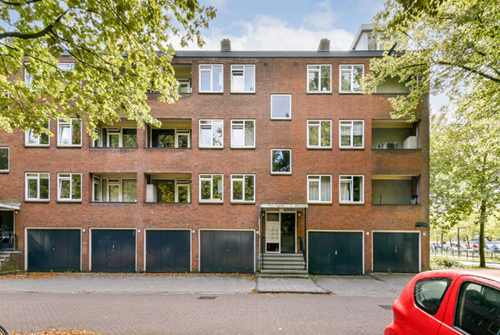
Warehouses, manufacturing facilities, distribution centers, workshops, and other commercial properties often contain machinery, storage systems, mechanical equipment, electrical components, and large inventories. Water entering one part of the building may affect several systems and work areas.
There is also the operational side. Employees may need to avoid certain areas, production may slow or stop, and deliveries or customer access may need to change.
That means commercial restoration has two priorities from the beginning: restoring the property safely and reducing unnecessary business disruption.
What Causes Water Damage in Industrial Buildings?
Identifying the source is one of the first steps because different types of water damage can require different responses.
Burst pipes and plumbing failures
Burst pipes can release a significant amount of water quickly, particularly when a failure happens after hours.
Supply lines, plumbing fixtures, utility rooms, and other water-connected systems can also develop leaks. Freezing temperatures and aging components may increase the risk under certain local conditions.
Storm damage and roof leaks
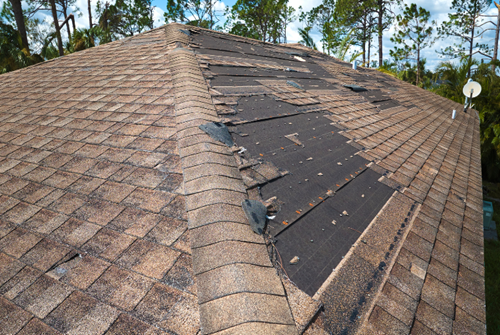
Storm damage can allow water through roofs, windows, exterior walls, doors, and lower-level spaces.
A roof leak can be deceptive because water may travel along structural materials before appearing as ceiling or wall water stains. During heavy rain, drainage problems can also allow water to collect around or enter the property.
Mechanical and building system failures
HVAC equipment, boilers, water heaters, sprinkler systems, and other mechanical components can leak or fail.
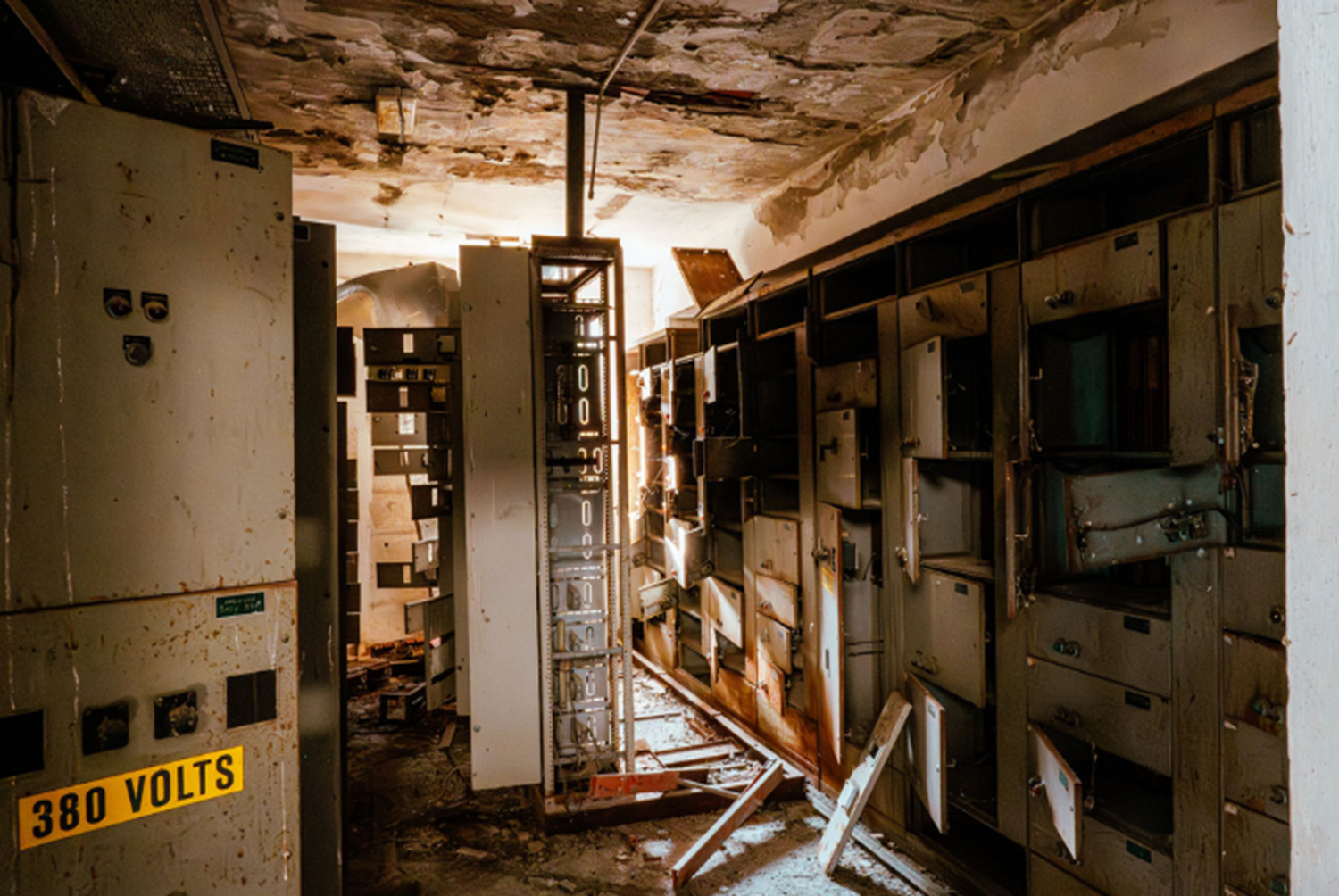
Depending on where the failure occurs, water may reach machinery, electrical equipment, stored materials, or occupied work areas.
Flooding, sewage, and contaminated water
Not all water losses are handled the same way.
Restoration professionals evaluate both the extent of saturation and the contamination level of the water. A clean supply-line leak may be handled differently from appliance discharge, a sewage backup, or exterior flooding. More contaminated water can require additional cleaning, disinfection, containment, and removal of porous materials that cannot be safely restored.
For sewage or similarly hazardous contamination, specialized procedures or biohazard cleanup may also be appropriate.
What Should You Do First After Industrial Water Damage?
When a damaging event occurs, safety comes before cleanup.
Keep employees and visitors away from standing water, electrical hazards, unstable ceilings, contaminated areas, and slippery surfaces. Follow the facility's emergency procedures and notify designated safety, maintenance, and facility-management contacts before employees re-enter restricted areas.
If the water source can be stopped safely, shut it down or contact the appropriate maintenance professional.
Document the affected areas before major damage cleanup begins. Photos and videos can capture visible water, damaged inventory, equipment, flooring, ceilings, and walls.
Equipment, documents, inventory, and stored materials should be evaluated individually. Some items may be salvageable, while electronics, machinery, food-related products, paper goods, or contaminated inventory may require specialized assessment, cleaning, documentation, or disposal.
Then contact a qualified restoration business for professional assistance. A prompt response allows the team to assess the damage and determine what needs immediate attention.
What Happens During Industrial Water Damage Restoration?
The exact restoration process depends on the source, contamination level, and extent of the damage. Most significant industrial losses, however, involve several core stages.
The site is assessed
Before major restoration work begins, professionals identify the water source, safety hazards, potential contamination, affected materials, and areas where moisture has traveled.
For an industrial property, the team may also determine which areas require restricted access and whether unaffected portions of the facility can safely remain operational.
This is where clear communication becomes important. Property owners, facility managers, maintenance personnel, insurance representatives, and restoration professionals may all need to stay aligned as the job progresses.
Standing water is removed
Once conditions are safe, crews remove water using pumps, extractors, wet vacuums, or other professional equipment appropriate for the loss.
Removing visible water prepares the space for drying, but it does not mean the building is dry. Moisture may remain beneath flooring, behind walls, above ceilings, and inside porous materials.
Hidden moisture is located and dried
A surface can look dry while hidden moisture remains underneath.
Professionals may use moisture meters and other detection tools to determine how far water has traveled. Dehumidifiers, air movers, and other drying equipment can then support structural drying.
Proper equipment placement depends on the affected materials and site conditions. Ongoing moisture readings help the restoration team monitor progress and adjust the drying setup when necessary.
The goal is not to run equipment for a predetermined number of days. Drying decisions should reflect actual moisture conditions.
Affected areas are cleaned
Salvageable surfaces and materials may require professional cleaning during the recovery process.
Depending on the facility and water source, cleaning services may address floors, walls, furnishings, storage areas, and other surfaces. Carpet cleaning may be appropriate when carpeting can be safely restored.
Contaminated water requires additional precautions, and some materials may need to be removed rather than cleaned.
Mold concerns are addressed
Materials that remain damp can create conditions for mold growth.
When there is visible mold growth, persistent musty odor, or concern about concealed moisture, a qualified professional may recommend additional moisture investigation and a mold assessment to determine the appropriate remediation scope.
When necessary, professional mold remediation or mold removal can become part of the larger restoration project. Addressing the moisture source remains essential to controlling the conditions that allowed the mold to develop.
Repairs and reconstruction begin
Not every industrial loss requires major rebuilding.
Some properties may only need minor repairs after extraction, drying, and cleaning. More extensive damage can require replacement of drywall, ceilings, flooring, insulation, roofing, or other building materials.
When necessary, reconstruction services and other construction services help move the property toward its pre-loss condition and complete restoration.
How Can Restoration Reduce Business Disruption?

Water damage does not happen separately from the rest of the business.
When conditions allow, restoration professionals and facility managers may establish work zones that separate damaged areas from spaces that remain safe to use. Critical production, storage, or access areas can also be prioritized based on operational needs.
Some projects can be completed in phases. Others require temporary closure because of electrical hazards, contamination, structural concerns, or widespread damage.
No restoration company can guarantee uninterrupted operations after every loss. However, thoughtful planning and clear communication can help everyone understand what is restricted, what work is underway, and what needs to happen before normal operations resume.
When Does Water Damage Require More Extensive Restoration?
The amount of visible water is only one factor in determining the scope.
A sewage backup or similarly contaminated source may require containment, sanitation, and removal of materials that cannot be safely restored. Mold damage can expand the scope when moisture has remained uncontrolled.
Industrial facilities may also experience fire damage and water damage during the same event.
Sprinklers and firefighting efforts can introduce large amounts of water while the property is already dealing with smoke, soot, and damaged materials. These combined water and fire losses may require extraction, debris removal, cleaning, fire and smoke restoration, and reconstruction.
A professional assessment helps determine which restoration services are appropriate instead of treating every loss the same way.
How Long Does Industrial Water Damage Restoration Take?
There is no one-size-fits-all timeline for full restoration.
The schedule depends on factors such as the source and amount of water, contamination, building size, materials affected, equipment exposure, hidden moisture, mold growth, and whether repairs or reconstruction are necessary.
Drying time should also be based on conditions rather than appearance. Moisture readings help professionals determine whether affected materials are reaching appropriate drying goals.
Once drying is complete, the remaining timeline depends on cleaning, repairs, reconstruction, and any specialty work required.
How Can Your Facility Prepare for Water Damage?
The middle of an emergency is not the time to figure out where the main water shutoff is.
An emergency response plan should identify shutoff locations, facility decision-makers, maintenance and restoration contacts, insurance information, critical equipment, and procedures for restricting unsafe areas.
It also helps to plan for operational interruptions. Know how important records are backed up, who communicates with employees and vendors, and what alternatives exist if part of the facility cannot be used.
Regular maintenance supports that plan. Inspect plumbing, roofs, roof drains, HVAC equipment, water heaters, sprinkler systems, floor drains, and locations with previous leaks. In the Johnstown area, seasonal weather and heavy rain should also factor into routine property inspections.
Preparation cannot prevent every emergency, but it can help your team respond quickly when one occurs.
What Should You Expect From an Industrial Restoration Company?
Industrial restoration requires more than bringing drying equipment into the building.
Look for a company equipped to handle emergency water removal, commercial-scale drying, moisture monitoring, cleaning, contamination concerns, mold remediation, repairs, and reconstruction when those services are needed.
The team should explain which areas are affected, why specific drying equipment is being used, what moisture readings show, and what comes next.
Documentation and communication matter too. Photos, moisture measurements, estimates, and progress updates can help owners, managers, and insurance representatives understand the status of the project.
Get Industrial Water Damage Help From Keystone State Restoration
When industrial or commercial water damage interrupts your operations, surface-level cleanup may not be enough.
Keystone State Restoration helps businesses, property managers, and homeowners throughout the Johnstown area recover from unexpected property damage.
Our services include water damage restoration, mold remediation, cleaning, fire damage restoration, and construction and reconstruction services. These capabilities help move a project from emergency cleanup and drying to necessary repairs.
Whether your property has been affected by burst pipes, flooding, a roof leak, or storm damage, contact Keystone State Restoration for dependable damage restoration and recovery support.
Conclusion
Industrial water damage can affect the building, equipment, inventory, and daily operations at the same time. A thorough response goes beyond removing visible water. It addresses hidden moisture, affected materials, contamination, and repairs based on the conditions at the property.
Preparing an emergency plan and seeking professional assistance when significant damage occurs can help limit further damage and give your business a clearer path toward recovery.
Frequently Asked Questions
What is the industrial water damage restoration process?
The process typically includes assessment, water extraction, moisture detection, structural drying, cleaning, moisture monitoring, and repairs. Mold remediation, contamination control, or reconstruction may also be necessary.
How is industrial water damage different from residential water damage?
Industrial properties may involve larger spaces, machinery, inventory, specialized building systems, production requirements, and more stakeholders. These factors can make restoration more complex than many smaller residential and commercial properties.
How quickly should water damage restoration begin?
Safety hazards and the water source should be addressed first. Once conditions are safe, assessment and water removal should begin promptly to reduce continued moisture spread and potential further damage.
What equipment is used for industrial water damage restoration?
Depending on the loss, professionals may use pumps, extractors, moisture meters, dehumidifiers, air movers, and specialized cleaning equipment.
Can a business stay open during restoration?
It depends on the affected areas, contamination, electrical and structural safety, building layout, and type of operation. Some projects can be phased, while others require partial or full temporary closure.
Can industrial water damage lead to mold growth?
Yes. Damp materials can support mold growth when moisture remains uncontrolled. Thorough drying and moisture monitoring help address the conditions that allow mold to develop.
Does water damage always require reconstruction?
No. Some losses require only extraction, drying, cleaning, and minor repairs. More severe damage may require reconstruction.
What should a business do before water damage happens?
Create an emergency response plan, identify water shutoffs and emergency contacts, maintain plumbing and building systems, protect important records, and establish procedures for employee safety and temporary operational changes.