Knowing how to prevent water damage in Central Pennsylvania properties can help homeowners, landlords, and property managers avoid costly repairs, mold growth, and unnecessary stress.
In our region, water problems can happen fast. Heavy rain, melting snow, clogged gutters, freezing temperatures, high humidity levels, and drainage issues can all lead to leaks, standing water, or a failed sump pump.
Many property owners searching for water damage in Johnstown, basement leaks, burst pipes, or restoration services are already dealing with an urgent issue. But the best time to protect your house is before water gets inside.
With regular maintenance and a simple seasonal plan, you can reduce your risk and keep your property safer year-round.
Key Takeaways
- Prevent water damage by keeping water away from the foundation, maintaining plumbing, and catching moisture early.
- Central Pennsylvania homes face higher water risks from storms, snowmelt, freezing temperatures, humidity, older foundations, and aging plumbing.
- A simple seasonal maintenance plan can reduce flooding, mold growth, costly repairs, and emergency restoration needs.
Why Central Pennsylvania Homes Are at Risk
Central Pennsylvania homes face a tough mix of storms, freezing temperatures, summer humidity, and rapid snowmelt. Add in hilly terrain, older foundations, aging plumbing, and basement-heavy construction, and water damage becomes a real concern.
Homes in Johnstown, Altoona, State College, Indiana, and parts of eastern Pennsylvania can be especially vulnerable to leaks and moisture problems.
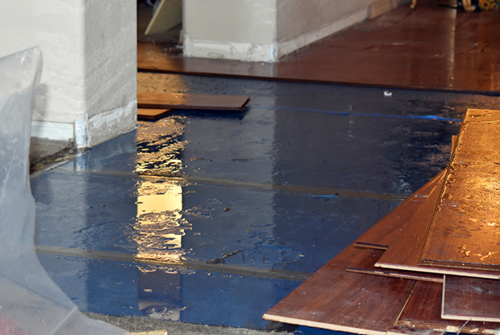
Some water damage happens quickly, like flooding during a storm or burst pipes in winter. Other damage builds slowly through small leaks under sinks, around toilets, behind washing machines, or near air conditioning equipment.
The best protection is early action: identify weak spots, move water away from the house, and maintain the systems that keep your property dry.
Keep Water Away From the Foundation
The outside of your property is the first line of protection. When water collects near the home’s foundation, it can seep through cracks, enter the basement, damage floors and walls, and create conditions for mold growth.
Clean gutters regularly
Gutters are designed to move roof water away from the house. When they clog with leaves, sticks, roof granules, or debris, water can overflow, run down the siding, and pool around the foundation.
Clean gutters in spring and fall, inspect them after major storms, repair sagging or leaking sections, and clear debris before winter freezing begins.
It is simple maintenance, but it can make a major difference in protecting your foundation, basement, and interior walls.
Direct water away from the house
Downspouts should carry water several feet away from the foundation. If they drain too close, the ground can become saturated and increase the risk of water intrusion.
Use extensions where needed, and make sure water does not drain toward sidewalks, driveways, neighboring properties, or areas where it can freeze. After a storm, walk the property and look for water pooling, erosion, or standing water near the house.
Check grading and landscaping
The ground around your home should slope away from the foundation. Over time, soil settles, landscaping shifts, and low spots form. These areas can trap water and push it toward the basement.
Watch for mulch washing away, soil pulling back from the foundation, puddles near basement windows, water collecting around exterior stairs, or damp basement walls after rain.
Sometimes, adding compacted soil is enough. Other properties may need French drains, swales, rain gardens, or other drainage improvements. The right solution depends on the location, slope, and severity of the water problem.
Protect the Basement From Water Intrusion
Basements are especially vulnerable in Central Pennsylvania homes. Even if yours has never flooded, moisture can still enter through small cracks, porous masonry, window wells, or plumbing openings.
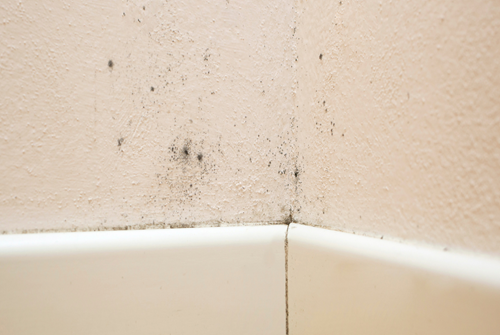
Inspect walls, floors, corners, and utility areas regularly. Watch for musty odors, peeling paint, damp spots, water stains, white residue on masonry, rust on appliances, soft flooring, or mold growth.
A small mark on the wall may not seem urgent, but it can point to a larger issue. Water often travels behind walls or under floors before it becomes obvious.
Repair cracks early
Foundation cracks can let water in during heavy rain, flooding, or snowmelt. Some cracks are minor, but active leaks, widening cracks, or repeated moisture should be inspected by a professional.
Paint alone will not solve water intrusion. The real priority is finding where the water is coming from and stopping it at the source.
Keep storage off the floor
If you use your basement for storage, keep belongings on shelves and use sealed plastic bins instead of cardboard boxes. Store documents, photos, electronics, and valuables away from the floor.
This simple habit can minimize damage if water enters the basement and make it easier to inspect drains, walls, and the sump pump area.
Maintain Your Sump Pump
A sump pump is one of the most important tools for preventing basement flooding, but it needs to be tested before the next storm.
Pour water into the sump pit until the pump turns on. Make sure it activates, removes the water, and shuts off properly. Listen for unusual noises and confirm the float moves freely.
Test your sump pump before spring rain, major storms, long dry periods, trips away from home, and as part of normal maintenance. If the pump struggles, runs constantly, or does not turn on, schedule repair or replacement.
Add a battery backup
Storms that cause flooding can also knock out electricity. A battery backup helps keep the sump pump running during a power outage, especially if your basement is finished or contains heating equipment, electrical components, laundry appliances, or stored valuables.
Keep the discharge line clear
The sump pump discharge line should move water away from the foundation. Check it for mud, ice, leaves, and debris. In winter, a frozen discharge line can cause the system to fail when you need it most.
Prevent Plumbing Leaks Inside the Home
Not all water damage starts with a storm. Many issues begin inside the house with plumbing, appliances, sinks, toilets, faucets, and supply lines.
Know the main water shutoff
Every homeowner, tenant, and property manager should know where the main water shutoff valve is. If a pipe bursts or a major leak occurs, shutting off the water quickly can minimize property damage.
Keep the valve visible, accessible, and clearly labeled.
Inspect sinks, toilets, and faucets
Check under sinks for damp wood, stains, mold, or musty smells. Around toilets, look for soft flooring, movement at the base, or water stains.
A dripping faucet or running toilet may seem minor, but it can point to worn parts or pressure issues.
Check washing machines and appliances
Washing machines are a common source of water damage. Inspect hoses for cracks, bulging, rust, and loose connections. Replace old hoses before they fail, and consider braided stainless-steel hoses for added protection.
Water heaters, dishwashers, refrigerators with water lines, and air conditioning condensate lines should also be part of your regular maintenance routine.
Reduce the Risk of Burst Pipes
Winter freezing can put plumbing under serious stress, especially in basements, crawlspaces, garages, exterior walls, and unheated areas.
Insulate exposed pipes, seal cold air leaks, disconnect garden hoses, and keep interior heating at a safe level. During extreme cold, open cabinet doors if pipes are near exterior walls. Vacant properties should be inspected regularly.
If burst pipes occur, shut off the main water supply, avoid electrical hazards, document the damage, and contact a professional restoration company.
Use Water Sensors for Early Detection
Water sensors can alert you to leaks before they become major water damage.
Where to place water sensors
Place water sensors near sump pumps, under sinks, behind washing machines, near water heaters, around toilets, beside floor drains, in basements, and near air conditioning equipment.
Consider smart shutoff systems
Smart water sensors can send alerts to your phone. Some systems can even shut off water automatically, making them especially useful for landlords, second homes, vacation properties, and busy families.
Prepare for Storms and Snowmelt
A simple storm plan can help prevent water damage before bad weather arrives.
Before heavy rain or snowmelt
Take a few simple steps before bad weather arrives. This can help prevent water damage and make it easier to respond if water intrusion does occur.
- Clean gutters and remove debris from downspouts.
- Test the sump pump.
- Check the battery backup.
- Clear exterior drains and window wells.
- Move valuables off the basement floor.
- Make sure downspouts direct water away from the house.
- Confirm the main water shutoff is accessible.
After a storm
Once it is safe, walk through the property and check the basement, attic, ceilings, foundation, yard, and mechanical areas.
Look for damp flooring, water stains, musty smells, water pooling, standing water, or new cracks. The sooner you identify moisture, the easier it is to dry the area and prevent mold growth.
Control Humidity and Mold Growth
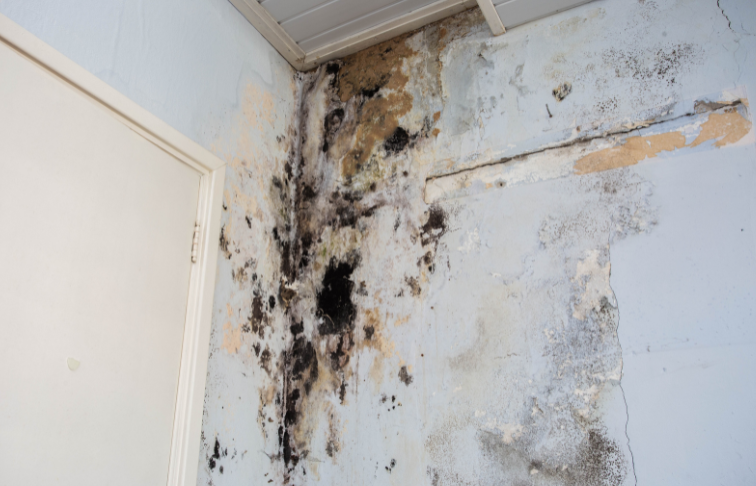
Water damage is not always visible. High humidity levels can make a basement damp and create the right conditions for mold growth.
Manage basement humidity
Use a dehumidifier in damp basements or lower-level rooms. Keep it clean and make sure it drains properly. Check that air conditioning condensate lines are not clogged or leaking.
Do not ignore musty odors
Mold can grow behind walls, under flooring, around windows, and inside damp materials. Covering stains with paint or air fresheners will not fix the problem.
The source of moisture must be found and corrected.
Consider Drainage and Waterproofing Improvements
If water problems keep coming back, basic maintenance may not be enough. A long-term drainage or waterproofing plan may be needed.
French drains
French drains can move water away from the foundation or redirect runoff from soggy areas of the yard. They are helpful when water repeatedly collects near the house or the ground stays saturated after storms.
Yard drainage
Swales, catch basins, rain gardens, and grading improvements can also control water movement. Good landscaping should reduce erosion, prevent standing water, and protect the foundation.
Basement waterproofing
Basement waterproofing may include crack repair, exterior drainage improvements, interior drain systems, sump pump upgrades, or foundation repair.
The right solution depends on whether the water is coming from roof runoff, poor grading, groundwater pressure, plumbing leaks, or foundation cracks.
Review Flood Insurance and Water Damage Coverage
Insurance coverage for water damage can be confusing. Some sudden leaks may be covered by homeowners' insurance, while outside flooding usually requires separate flood insurance.
Sewer backup, sump pump failure, and mold may also have specific limits or exclusions.
Review your policy before there is a problem
Ask about water damage coverage, flood insurance, sewer backup protection, sump pump failure, mold limitations, deductibles, and documentation requirements.
Keep good records
Keep records of inspections, maintenance, repairs, and upgrades. If damage occurs, take photos and videos before cleanup when it is safe.
Follow a Seasonal Maintenance Plan
Water damage prevention is easier when it becomes part of your normal routine.
Spring
- Test the sump pump.
- Clean gutters.
- Inspect the foundation.
- Check basement walls and floors.
- Clear yard drains.
- Watch for snowmelt issues.
Summer
- Monitor humidity.
- Check air conditioning drain lines.
- Inspect appliance hoses.
- Look for mold growth.
- Watch for water pooling after storms.
Fall
- Clean gutters regularly.
- Remove leaves and debris from drains.
- Disconnect hoses.
- Inspect exterior faucets.
- Seal gaps near plumbing.
- Test the sump pump and battery backup.
Winter
- Insulate exposed pipes.
- Keep heating systems working.
- Maintain safe indoor temperatures.
- Check vacant properties.
- Keep discharge lines clear.
- Know how to shut off water.
What to Do When Water Damage Happens

Even with a strong prevention plan, water damage can still happen. If it does, quick action matters.
Take these steps:
- Stop the source of water if safe.
- Shut off the main water valve for plumbing leaks.
- Avoid areas where water is near electricity.
- Move valuables to a dry location.
- Take photos and videos.
- Contact your insurance company.
- Call professional restoration services.
Fast response can minimize damage, reduce mold risk, and make the repair process smoother.
How Keystone State Restoration Helps
Water damage can feel overwhelming fast. A soaked basement, damaged floors, mold concerns, insurance questions, and unclear next steps can leave you unsure who to call first.
At Keystone State Restoration, we help homeowners, landlords, and property managers across Central and Western Pennsylvania recover with less stress. Our team handles water damage restoration, mold remediation, cleaning, fire restoration, and construction support.
If water intrusion, flooding, burst pipes, or mold affects your property, we can assess the damage, explain what comes next, and start the restoration process.
Contact Keystone State Restoration when your home or property needs help. We are here to protect your property and help life get back to normal.
Conclusion
Preventing water damage in Central Pennsylvania properties starts with consistent maintenance. Clean gutters, direct water away from the foundation, maintain your sump pump, inspect plumbing, manage humidity, and prepare for each season.
No property is risk-free, but the right plan can reduce damage, protect your home, and help you avoid costly repairs. And when prevention is not enough, Keystone State Restoration is ready to help with professional restoration services you can trust.
Frequently Asked Questions
What is the best way to prevent water damage?
The best way to prevent water damage is to keep water away from vulnerable areas and catch problems early.
That means managing drainage, maintaining plumbing and appliances, watching for moisture, and acting quickly when you notice stains, soft spots, musty smells, or leaks. The faster water is found and dried, the less likely it is to cause mold or structural damage.
What is the problem with the water in PA?
In Pennsylvania, water problems often come from a mix of heavy rain, snowmelt, freezing temperatures, humid summers, older homes, and poor drainage.
Water can enter through foundation cracks, roof leaks, flooded ground, burst pipes, appliance leaks, or plumbing failures. Once inside, it can damage flooring, walls, electrical systems, HVAC equipment, and create conditions for mold growth.
What are 5 ways to prevent flooding?
Five practical ways to help prevent flooding are to keep gutters clear, direct downspouts away from the house, maintain proper grading, test the sump pump, and fix drainage problems early.
It also helps to inspect plumbing and appliances regularly, especially washing machines, water heaters, toilets, sinks, and supply lines. If water keeps pooling in the same area, French drains, swales, grading improvements, or waterproofing may be needed.