Water damage is stressful, but figuring out what your insurance will cover can be just as overwhelming. Many homeowners searching for insurance coverage for water damage in Johnstown, PA assume they’re fully protected, only to find out certain situations aren’t included.
If you’re dealing with water damage Johnstown homeowners often face, it helps to understand how insurance coverage works before you file a claim, so you’re not caught off guard when it matters most.
Key Takeaways
- Insurance coverage depends on the cause of water damage, not just the damage itself
- Understanding your policy helps you avoid unexpected costs
- Quick action and clear documentation can improve your claim outcome
What Water Damage Insurance Typically Covers
In most cases, homeowners' insurance is designed to cover sudden and accidental water damage and not issues that develop over time. If something unexpected happens, like burst pipes, a failing water heater, or storm damage that allows water to enter your home, those situations are typically covered under a standard homeowners policy.
Coverage often includes cleanup and restoration costs, along with certain types of personal property coverage, depending on your insurance policy. This can help offset the cost of emergency repairs and getting your home back to a livable condition after a covered peril.
That said, coverage depends on the details of your homeowners' insurance policies and what your insurance provider includes. Some situations, like water backup or drain backups, may require additional coverage or a separate policy to be fully protected.
Insurance is built around unexpected events and not ongoing problems or preventable damage. But not all water damage falls into that category.
What Insurance Usually Does NOT Cover
Not all water damage is treated the same under homeowners' insurance. In many cases, damage caused by gradual issues, like a slow leak, leaking plumbing, or long-term moisture buildup, is not covered. These situations are often tied to poor maintenance or neglect, which most homeowners' insurance policies exclude.
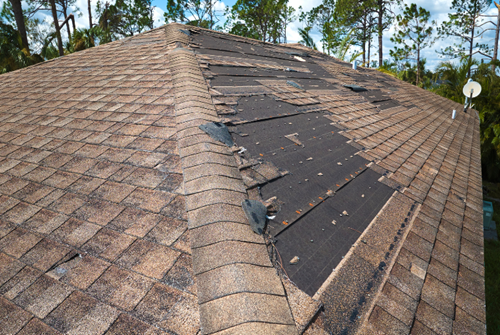
Problems like roof leaks, clogged gutters, or ongoing water intrusion that weren’t addressed in time can also lead to denied claims. Even if the damage becomes severe, causing mold growth, standing water, or costly repairs, it may still fall outside what a standard homeowners' policy covers.
Flood damage is another major exception. Water coming from external sources, such as heavy rainfall, rising water, or basement flooding, typically requires a separate flood insurance policy, often through programs like the National Flood Insurance Program.
The key difference comes down to cause. Sudden and accidental water damage is more likely to be covered, while preventable or long-term issues usually are not. The challenge is that not every situation is clear-cut.
Why the Cause of Damage Matters
When it comes to a water damage claim, insurance companies focus heavily on how the damage started. Two situations can appear almost identical on the surface but lead to completely different outcomes depending on the cause.
For example, damage caused by sudden pipe bursts is often treated differently than issues tied to gradual damage, like a slow leak or long-term wear. Even something like heavy rain can be handled differently depending on whether water entered through a covered issue or from external sources that require separate coverage.
This is where documentation becomes critical. Clear records of what happened, when it started, and how it spread can help support your water damage claim and reduce confusion during the claims process. At the end of the day, coverage isn’t based on the damage alone but also on what caused it.
What to Expect During the Insurance Claims Process
The insurance claims process can feel unfamiliar, especially if it’s your first time dealing with water damage. Most claims start with an initial inspection, where the affected areas are reviewed and documented to determine what caused the damage and what may be covered under your home insurance policy.
From there, communication with your insurance company or insurance agent becomes ongoing. They may ask for additional details, photos, or clarification as they evaluate the claim and determine what coverage kicks in based on your policy.
You’ll also receive estimates for repairs and restoration, which may need approval before work moves forward. This step helps define the scope of the project and what costs may be covered versus what falls outside your policy.
Having a clear understanding of each step helps reduce stress and allows you to make more informed decisions throughout the process.
How to Strengthen Your Water Damage Claim
Taking a few simple steps early on can make a big difference in how your water damage claim is handled. Start by documenting everything as soon as possible. Photos, videos, and written notes of the affected areas help create a clear record of the damage caused and how it developed.
Acting quickly is just as important. Preventing further damage, whether that means stopping the water supply or addressing standing water, shows that you took reasonable steps to limit the issue. This can matter when your insurance company reviews the claim.
It also helps to keep records of all communication, including emails, calls, and any updates related to your home insurance policy or claim. Having everything in one place makes the process more organized and easier to navigate.
Preparation and timing play a bigger role than most homeowners expect when it comes to claim outcomes. Even with the right steps, coverage questions can still come up.
Common Coverage Questions Homeowners Have
When you’re dealing with water damage, it’s normal to have a lot of questions, especially around what your insurance will and won’t cover. Many homeowners find themselves asking, “Will my policy cover this?” or “Why was my claim denied or limited?”
Another common concern is understanding what costs fall under insurance coverage and what you’re responsible for out of pocket. The answers often depend on your specific home insurance policy, how the damage was caused, and how the claim is handled.
Uncertainty is part of the process, but the more familiar you are with your coverage, the easier it is to make informed decisions and avoid surprises.
What Matters Most When Dealing with Insurance
When it comes to insurance, the biggest advantage you can have is understanding the basics of your policy. Knowing what your coverage includes—and what it doesn’t—helps you avoid assumptions that can lead to frustration later.
It’s also important not to rely on guesswork. Every situation is different, and coverage depends on specific details like the cause of the damage and how it’s documented. Taking the time to review your home insurance policy or speak with your insurance agent can provide clarity when you need it most.
Clear documentation and fast action also play a major role. The more organized and responsive you are, the easier it is to move through the claims process and reduce potential issues.
Get Guidance When Insurance Questions Come Up
If you’re dealing with water damage and aren’t sure what your insurance covers, Keystone Restoration Johnstown can help you understand your situation and what steps to take next.
From water damage services to roofing, siding, and other kinds of work, everything is handled with a focus on restoring your home the right way.
Contact us today to get started.
Conclusion
Dealing with water damage is challenging enough—figuring out what your insurance will cover shouldn’t add to the stress. While coverage depends on your specific policy and the cause of the damage, having a basic understanding of how it works can help you avoid surprises.
Taking the time to review your policy, document the situation, and act quickly puts you in a stronger position when it comes to your claim. The more informed you are, the easier it becomes to navigate the process and move forward with confidence.
Frequently Asked Questions
What should I do before filing a claim for water damage?
Start by documenting the damage with photos and notes, and take steps to prevent further damage. Having clear records can help support your claim.
Does home insurance cover all types of water damage?
Not always. Home insurance typically covers sudden and accidental damage, but may exclude issues related to poor maintenance or gradual damage.
How does my insurance policy determine what’s covered?
Your insurance policy outlines specific covered events and exclusions. Coverage often depends on how the damage occurred and whether it meets the terms of your policy.
Is water damage from heavy rain covered by insurance?
It depends on how the water entered your home. Damage from heavy rain may be covered in some cases, but flooding from external sources often requires separate coverage.