Water has always been part of Johnstown’s story. So when people search for what causes water damage in Johnstown homes and buildings, they usually need answers fast: Where is the water coming from, how serious is it, and what should happen next?
While water damage in Johnstown may bring the historic Johnstown Flood to mind, most water damage today starts smaller—with clogged gutters, a burst pipe, a roof leak, a failing sump pump, an appliance leak, or pressure around the foundation.
The sooner you find the source, the easier it is to protect your property, belongings, and peace of mind.
Key Takeaways
- Water damage in Johnstown often starts with heavy rain, clogged gutters, roof leaks, burst pipes, appliance leaks, sump pump failure, or foundation pressure.
- Small warning signs like damp walls, ceiling stains, musty odors, bubbling paint, or soft flooring can point to hidden moisture.
- Fast action helps limit structural damage, reduce mold risk, simplify insurance documentation, and get the property back to normal.
Why Johnstown Properties Are Vulnerable to Water Damage
Johnstown sits in a river valley near the Conemaugh River, surrounded by hills, older neighborhoods, and low-lying areas where water naturally moves downhill. During heavy rain, water can collect around foundations, overwhelm drainage systems, and seep through cracks that looked harmless during dry weather.
Many local homes and buildings also have basements, older pipes, aging roof systems, and foundations exposed to decades of Pennsylvania freeze-thaw cycles. Over time, those systems weaken. When water levels rise outside or plumbing fails inside, damage can start quickly.
What the Johnstown Flood Teaches Us About Water Damage
Water has always been part of Johnstown’s history.
In June 1889, the South Fork Dam failed after heavy rainfall, releasing Lake Conemaugh toward the city. The flood hit nearby communities, including South Fork, Mineral Point, and East Conemaugh, before reaching Johnstown. As water moved through the valley, debris and wreckage piled near the Pennsylvania Railroad Stone Bridge.
That history is much larger than the water damage most homeowners face today, but the lesson still applies. Water becomes destructive when volume, pressure, poor drainage, and vulnerable structures come together. On a modern property, that may mean a flooded basement, a roof leak spreading into insulation, or water pushing through foundation cracks.
Today’s water damage is usually smaller in scale, but it is still urgent. Whether the source is runoff, a failed sump pump, clogged gutters, or a plumbing leak, fast action can help protect the structure, reduce mold risk, and prevent more extensive repairs.
The Three Main Ways Water Damage Starts
Most water damage begins in one of three ways.
- Water enters from outside through rain, flooding, snowmelt, roof leaks, clogged gutters, poor grading, window leaks, or foundation seepage.
- Water leaks from inside through burst pipes, frozen pipes, appliance leaks, water heater failures, HVAC condensation leaks, or plumbing leaks behind walls and floors.
- Water cannot drain properly because of sump pump failure, clogged drains, blocked discharge pipes, sewer backups, or downspouts that empty too close to the foundation.
Knowing which category you are dealing with helps you act faster and avoid guessing.
Heavy Rain and Flooding
Heavy rain is one of the most common causes of water damage in Johnstown. When rain continues for several days, the soil around the home becomes saturated. Once the ground cannot absorb more water, pressure builds against the basement walls and floors.
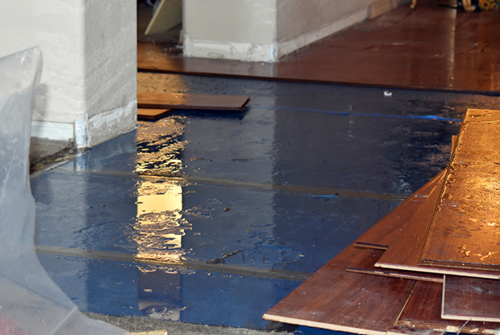
That pressure can force water through foundation cracks, porous masonry, window wells, and floor joints. Even if the water is not several feet deep, it can still ruin flooring, soak drywall, damage belongings, and create conditions for mold.
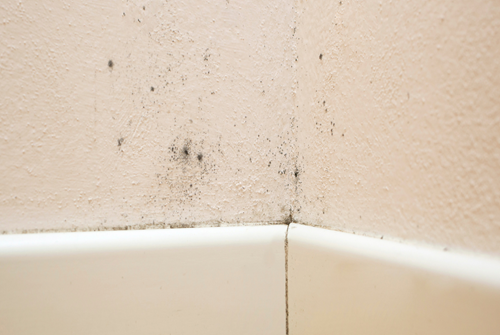
Watch for damp walls, musty smells, peeling paint, wet carpet, soft drywall, or water along the basement floor line after storms.
Clogged Gutters and Downspouts
Clogged gutters are one of the most preventable causes of water damage. When leaves, roof grit, ice, or debris block the system, rainwater spills over the edge instead of flowing away from the house.
That water can damage fascia, soffits, siding, basement walls, and foundation materials. Blocked downspouts create the same problem when they dump roof water too close to the home.
In Johnstown, gutter maintenance matters year-round. Fall leaves, winter ice, spring rain, and summer storms can all interrupt proper drainage.
Roof Leaks
A small roof leak can cause major damage. Water can enter through missing shingles, cracked flashing, chimney gaps, damaged vent boots, skylights, roof valleys, or ice dam areas.
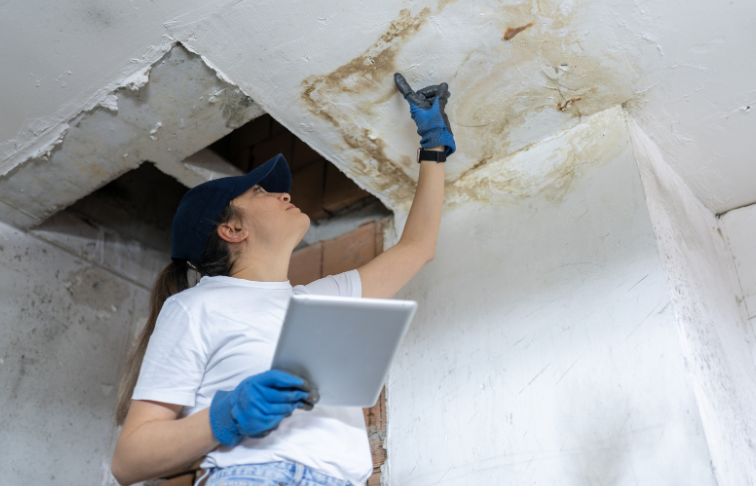
Once inside, water can soak attic insulation, stain ceilings, travel down walls, or collect behind paint and drywall. Sometimes the stain appears several feet from where the water entered.
Roof leaks should be handled quickly because they can weaken wood, damage insulation, create mold concerns, and increase repair costs.
Burst Pipes and Plumbing Failures
A burst pipe can flood a space in minutes. Pipes often fail because of freezing temperatures, corrosion, high water pressure, aging materials, loose fittings, or poor installation.
Frozen pipes are a major concern in Pennsylvania winters. As water freezes, it expands and creates pressure inside the pipe. When temperatures rise and the ice thaws, water may escape through a split pipe behind a wall, under a floor, or in a basement.
Slow leaks can be just as damaging. Watch for water stains, warped flooring, musty odors, soft drywall, low water pressure, dripping sounds, or a higher water bill.
Appliance Leaks
Appliances are convenient, but they are also common sources of water damage. Washing machines, dishwashers, refrigerators with ice makers, and water heaters are frequent culprits.
A worn washing machine hose, loose dishwasher connection, clogged refrigerator drain tube, or corroded water heater can leak behind or beneath the appliance before anyone notices. By then, water may have already reached the flooring, cabinets, walls, or ceilings.
Check appliances regularly for rust, staining, puddles, soft flooring, swollen cabinets, or musty smells. Replacing old washer hoses with braided stainless steel hoses can also reduce risk.
Sump Pump Failure
For many Johnstown homes, a sump pump helps keep the basement dry. It collects water in a pit and moves it away from the property through discharge pipes.
When a sump pump fails, water can rise quickly. Common causes include power outages, stuck float switches, clogged pits, burned-out motors, frozen discharge lines, or poor maintenance.
Test the pump before storm season, keep the pit clean, check the discharge line, and consider a battery backup or high-water alarm.
Foundation Seepage
Foundation seepage often starts slowly but can cause serious damage over time. After heavy rain, groundwater presses against the foundation. If there are cracks, gaps, porous blocks, weak mortar joints, or openings around pipes, water can seep inside.
Slow seepage can lead to damp walls, musty odors, peeling paint, mold, and damaged belongings. Older homes may be more vulnerable, but any property can develop seepage when drainage is poor.
Sewer Backups and Clogged Drains
A clogged drain is frustrating. A sewer backup is dangerous.
Grease, hair, soap buildup, wipes, tree roots, collapsed pipes, debris, or heavy rain overwhelming municipal systems can force water back through sinks, tubs, toilets, or basement drains.
Because sewage may contain bacteria and contaminants, this type of water damage should be handled professionally. Warning signs include gurgling toilets, sewage odors, multiple slow drains, and water backing up through floor drains.
HVAC Leaks and Condensation Problems
Air conditioners and heat pumps naturally produce condensation. That water should drain through a condensate line. If the line clogs, the drain pan can overflow.
Water may drip into ceilings, walls, attics, utility closets, or finished basements before the HVAC system is identified as the source. Routine maintenance, clean condensate lines, and regular drain pan checks can reduce the risk.
Fire Damage Can Also Lead to Water Damage
Not all water damage starts with rain or plumbing. Sometimes it follows fire.
When firefighters extinguish flames, large amounts of water may enter the building. Fire sprinklers can also discharge water during an emergency or malfunction. A fire-damaged property may also have soaked drywall, wet insulation, damaged flooring, smoke odor, soot, mold risk, and structural concerns.
That is why full-service restoration matters. Fire, water, mold, cleaning, repairs, and reconstruction often overlap after a disaster.
Why Water Damage Spreads So Fast
Water follows the path of least resistance. Once it enters a property, it can move under flooring, behind baseboards, through wall cavities, into insulation, across subfloors, and down to lower levels.
That hidden moisture is what makes water damage so costly. Drywall can swell, wood can warp, flooring can buckle, paint can bubble, and carpet padding can stay wet even after the surface feels dry.
Johnstown’s flood history shows how quickly water can cause destruction when it has force and direction. On a smaller scale, the same principle applies inside a home or building: the longer water sits, the more property damage it can cause.
Removing visible water is only the first step. Hidden moisture inside walls, flooring, insulation, and structural materials is often the bigger concern, especially when mold has time to grow.
How to Tell Where the Water Is Coming From
Patterns can help narrow the source. Water after rain often points to the roof, gutters, downspouts, foundation, windows, grading, or sump pump. Water near appliances may come from the washer, dishwasher, refrigerator, water heater, or HVAC unit.
Ceiling stains may point to a roof leak, bathroom leak, pipe leak, HVAC leak, or ice dam. Basement water may come from heavy rainfall, clogged gutters, foundation seepage, sump pump failure, sewer backup, or groundwater pressure.
You do not need a perfect diagnosis before asking for help. The important thing is to act quickly before a small leak becomes a larger repair.
What to Do First When You Find Water Damage

Start with safety. Avoid standing water near electrical outlets, appliances, or cords. Stay out of rooms with sagging ceilings, and keep children and pets away from sewage or floodwater.
Stop the source if you can do so safely. Shut off the main water valve for a burst pipe, turn off appliance valves for a leaking washer or dishwasher, and stop using fixtures if drains are backing up.
Document the damage with photos and videos, save receipts, and list damaged belongings. Do not assume the space is dry just because visible water is gone. Moisture can remain inside building materials, which is why professional drying, dehumidification, and moisture detection are often needed.
How to Prevent Water Damage in Johnstown
Regular maintenance lowers the risk. Clean gutters in spring and fall, extend downspouts away from the foundation, check basement walls after heavy rain, test sump pumps before storm season, insulate exposed pipes before winter, disconnect outdoor hoses, inspect appliance hoses and water lines, and watch the roof for missing shingles or loose flashing.
Water sensors can also help near the sump pump, water heater, washing machine, dishwasher, and under sinks. Know where your main water shutoff valve is, too. In a burst pipe emergency, shutting off the water quickly can help protect your floors, walls, belongings, and repair budget.
Does Insurance Cover Water Damage?
Insurance coverage depends on the cause and your policy. Sudden and accidental water damage, such as a burst pipe, may be handled differently from long-term damage from a neglected leak. Outside flooding often requires separate flood insurance, and sewer backup may require an endorsement.
Before cleanup begins, take photos, record videos, save receipts, and report the damage promptly. Keystone’s water damage insurance guidance emphasizes careful documentation, understanding your policy, clear communication, and prompt reporting.
A Local Team for the Repairs Water Damage Leaves Behind
Water damage rarely ends when the water is gone. A leak or flood can leave behind wet drywall, damaged paint, weakened flooring, roof issues, odors, and mold concerns.
That is where Keystone State Restoration can help. We support Johnstown property owners with water damage restoration, mold remediation, roofing, painting, cleaning, and construction repairs, so the recovery process does not feel like a series of disconnected calls.
Whether the damage started with a burst pipe, roof leak, stormwater, appliance failure, or fire response, we help assess what was affected and move the property toward a clean, safe, repaired space.
When water damage affects your Johnstown home or building, call Keystone State Restoration for local help from cleanup through repairs.
Conclusion
Water damage is rarely just about the water you can see. It is about where that water came from, how far it traveled, and what it touched along the way.
For Johnstown property owners, the smartest response is to stay alert to small warning signs, keep drainage and plumbing systems maintained, and move quickly when something feels off. A damp basement corner, a ceiling stain, or a musty smell can be the first sign of a larger issue.
The sooner the source is found and the property is dried properly, the easier it is to limit damage, reduce mold risk, and get your home or building back to normal.
Frequently Asked Questions
Why does Johnstown flood so much?
Johnstown floods because it sits in a river valley where water naturally moves downhill from surrounding slopes and waterways. Heavy rain, snowmelt, older infrastructure, clogged gutters, poor drainage, and overwhelmed stormwater systems can all send water toward streets, foundations, and basements.
The 1889 flood, when the South Fork Dam failed and released Lake Conemaugh, is the best-known example. Today’s flooding is usually smaller, but the same local risk factors still matter.
What are the most common causes of flood damage?
The most common causes of flood damage include heavy rainfall, overflowing rivers or streams, clogged gutters, poor drainage, sump pump failure, sewer backups, and water entering through basement windows, doors, cracks, or foundation gaps.
Flood damage often affects flooring, drywall, insulation, basements, electrical systems, HVAC equipment, furniture, and stored belongings. Even a few inches of water can cause serious damage if it is not addressed quickly.
How many times has Johnstown flooded?
Johnstown has flooded many times, but the three major floods most often cited are 1889, 1936, and 1977. The 1889 Johnstown Flood is the most famous, tied to the South Fork Dam, the South Fork Fishing and Hunting Club, flood victims, lives lost, and widespread destruction throughout the town.
For today’s property owners, the lesson is practical: keep drainage systems maintained, watch for warning signs, and respond fast when water gets inside.