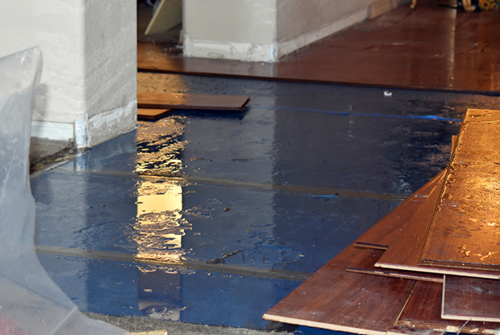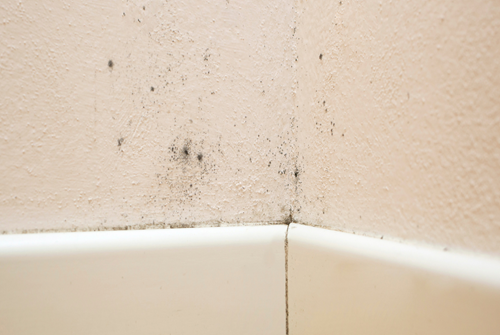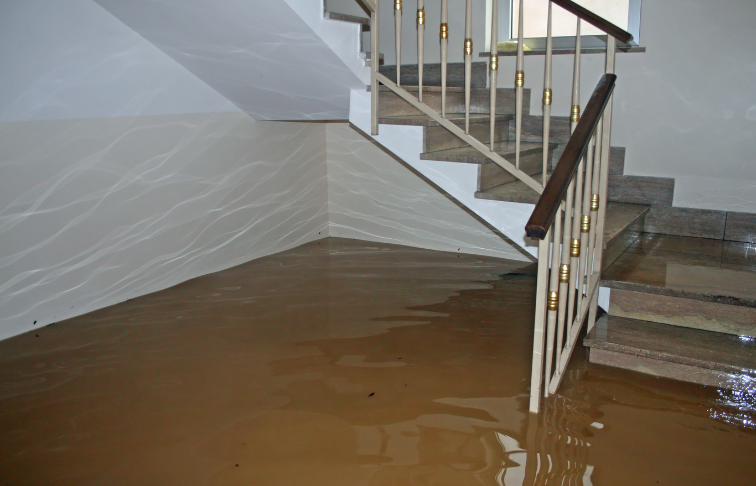
A wet basement can turn stressful fast. Pooling water, damp walls, peeling paint, musty odors, or soaked boxes are all signs that something is wrong.
If you are searching for common basement flooding issues in Johnstown PA, you likely want to know where the water came from and what to do next. Around Johnstown and Cambria County, common causes include heavy rain, poor drainage, sump pump failure, foundation cracks, groundwater pressure, sewer backups, plumbing leaks, and aging waterproofing systems.
Because basements sit below ground and collect moisture easily, they are often one of the first places water damage Johnstown homeowners notice. The sooner you recognize the signs, the faster you can reduce damage and protect your home’s foundation.
Key Takeaways
- Basement flooding in Johnstown is often tied to heavy rain, poor drainage, sump pump failure, foundation seepage, sewer backups, or plumbing issues.
- Small signs like musty smells, peeling paint, damp walls, and recurring puddles can point to larger moisture problems.
- Fast cleanup, proper drying, and fixing the source are essential to protect the structure, reduce mold growth, and limit repair costs.
Why Basement Flooding Is Common in Johnstown
Johnstown’s hills, valleys, older neighborhoods, and low-lying properties make basement flooding a real risk. During heavy rain, surface water can collect around a house, especially when the yard slopes toward the foundation.
Because basements sit below grade, saturated soil can create groundwater pressure against foundation walls and floors. If there are cracks, aging masonry, weak mortar joints, or gaps around utility lines, water can start seeping inside.
Clay-heavy soil can make this worse by holding moisture longer. As it expands and contracts, it can put pressure on foundation walls and create spaces where water collects during the next rain.
For Johnstown homeowners, basement flooding is usually caused by a mix of rain, soil, drainage, foundation condition, and maintenance.
Basement Flooding, Basement Leaks, and Moisture Problems
Not every basement water issue looks the same.
Basement flooding usually means visible water has collected on the floor after heavy rain, sump pump failure, sewer backup, or stormwater entering through a door, window, or floor drain.
Basement leaks are more localized, often showing up near a wall crack, pipe, or floor-wall joint.
Moisture problems are more subtle and may appear as musty odors, damp air, peeling paint, condensation, or mold growth.
The difference matters because the right repair depends on the source. A leaking water heater, clogged drain, and groundwater seepage can all leave water on the floor, but each one needs a different solution.
Poor Drainage Around the Home
Poor drainage is one of the biggest reasons basements flood in Johnstown. When water cannot move away from the house, it collects near the foundation and can seep through cracks, joints, basement windows, or porous masonry.
This often happens when the ground slopes toward the home, downspouts are too short, gutters are clogged, or low spots trap water near the house. Signs include pooling water, soggy mulch beds, soil erosion, and the same basement corner getting wet after storms.
Solutions may include regrading soil, extending downspouts, clearing drains, adding swales, or installing a French drain where surface water keeps collecting.
Clogged Gutters and Short Downspouts
Gutters and downspouts direct roof water away from the foundation. When they clog or drain too close to the house, runoff saturates the ground near the basement walls and increases the risk of leaks, seepage, and foundation pressure.
Clean gutters at least twice a year, check them after storms, and make sure downspouts extend several feet away from the home.
Sump Pump Failure
A sump pump helps keep the basement dry by collecting groundwater and pumping it away from the property. But during heavy rain, sump pumps can fail from power outages, stuck float switches, clogged pits, frozen discharge pipes, poor installation, or lack of maintenance.
To reduce risk, test your sump pump before rainy seasons, keep the pit clear, check the discharge line, and consider a battery backup or high-water alarm.
Foundation Cracks and Seepage
Foundation cracks may look minor until water starts appearing after every rain. Common entry points include wall cracks, floor cracks, pipe penetrations, porous block, old mortar joints, basement window wells, and the floor-wall joint.
Some cracks simply allow moisture in. Others may point to structural issues, especially if they widen, stair-step through block, or appear with bowing walls, uneven floors, or sticking doors. Foundation repair may be needed when water keeps returning after temporary patching.
Clay Soils and Groundwater Pressure
Clay soils hold water longer, which can create pressure against foundation walls after heavy rain. As the soil expands and contracts, water may seep through tiny cracks, porous concrete, or the joint where the basement wall meets the floor.
This can show up as dampness, staining, or a musty smell that returns after rain. Depending on the source, solutions may include a sump pump, interior drainage system, exterior drainage improvements, vapor barrier, dehumidifier, crack sealing, or basement waterproofing.
Sewer Backups and Floor Drain Problems
Sewer backups are different from ordinary basement leaks because the water may be contaminated. Wastewater can back up through a floor drain, toilet, sink, or tub due to grease buildup, flushed wipes, tree roots, collapsed pipes, clogged drains, or overwhelmed municipal systems.
Warning signs include gurgling toilets, sewage odors, multiple slow drains, and water backing up through a basement drain. If sewage is involved, avoid contact with the water and call for professional cleanup.
Basement Plumbing and Appliance Leaks
Not all basement flooding starts outside. Water can come from water heaters, washing machines, utility sinks, supply lines, drain lines, frozen pipes, or old shutoff valves.
A small leak may run across the floor and collect at the lowest point, making it look like stormwater. Check for rust, corrosion, puddles, soft flooring, damp walls, or mineral buildup around fittings. Replace aging hoses and know where the main water shutoff valve is located.
Inadequate Basement Waterproofing
Basement waterproofing is a system for managing water before it damages the interior. Depending on the home, it may include interior drainage systems, sump pumps, vapor barriers, crack sealing, dehumidifiers, exterior grading, waterproof coatings, or foundation drainage improvements.
Signs of failing waterproofing include returning dampness, peeling paint, wet corners after rain, musty odors, mold growth, new cracks, or a sump pump that runs constantly.
Crawl Space Moisture Can Affect the Basement
Crawl spaces are easy to ignore, but moisture there can affect the rest of the home. Poorly sealed crawl spaces can trap humidity, create musty odors, damage insulation, encourage mold growth, attract pests, and contribute to wood rot.
Signs include musty smells, high humidity, damp insulation, mold on wood framing, soft floors, or recurring pest activity. For older Johnstown homes, crawl spaces and basements should be treated as part of the same moisture system.
The Hidden Damage Basement Flooding Can Cause
Basement flooding does more than leave water on the floor. Moisture can soak into drywall, wood, insulation, flooring, and stored belongings, then stay hidden after the surface looks dry.
Mold growth is one of the biggest concerns. Damp basements give mold the conditions it needs to spread behind walls, under flooring, and around stored items.
Repeated moisture can also cause structural damage. Over time, it can weaken wood, deteriorate foundation materials, rust metal components, damage paint, and affect structural integrity. Even a few inches of water can lead to costly repairs if the area is not dried properly.
How to Know If Basement Water Is an Emergency
Call for help right away if water is near electrical outlets or panels, sewage is involved, walls or ceilings are sagging, mold is visible, the sump pump failed during heavy rain, or water is spreading into finished space.
Recurring moisture also needs attention. A puddle after every storm, peeling paint that keeps returning, or a musty smell that never goes away can point to ongoing water intrusion.
Waiting can let moisture spread farther and damage more materials.
What to Do After Basement Flooding
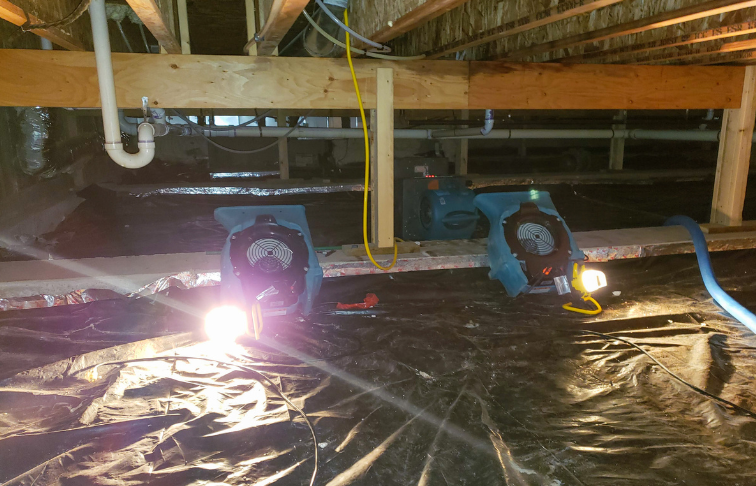
Start with safety. Keep children and pets out of the basement, avoid standing water near electrical systems, and stay away from sewage or unknown water.
Stop the source if possible. Shut off the water for a pipe or appliance leak, stop using fixtures if drains are backing up, and avoid touching sump pump equipment while standing in water.
Document the damage with photos and videos, list damaged belongings, and save receipts.
Then focus on proper drying. Visible water removal is only the beginning. Basement materials may need extraction, air movers, dehumidifiers, moisture readings, and removal of damaged porous materials.
Finally, fix the cause. Cleanup without source control often leads to repeated flooding.
How to Prevent Basement Flooding in Johnstown
Prevention starts outside. Keep gutters clean, extend downspouts, improve grading, clear drains, and avoid landscaping that traps water against foundation walls. These steps help direct water away from the home’s foundation.
Inside, maintain the sump pump, inspect plumbing, keep storage off the floor, and use a dehumidifier when needed. Watch the basement after rain so you can spot patterns early.
Regular maintenance is one of the most effective ways to prevent water intrusion. Maintaining drainage systems, checking cracks, managing humidity, and repairing small leaks early can protect your basement and reduce structural issues.
From Wet Basement to Repaired Space
Basement flooding can leave behind more than standing water. It can affect drywall, paint, flooring, air quality, and the structure itself.
At Keystone State Restoration, we help Johnstown homeowners, landlords, and property managers move from cleanup to repair with one local team. Our services include water damage restoration, mold remediation, cleaning, painting, roofing, and construction repairs.
We assess the damage, dry the affected areas, address moisture and mold concerns, and help restore the space safely. If basement flooding has affected your Johnstown property, call Keystone State Restoration for help from cleanup through repairs.
Conclusion
A wet basement is not something to ignore. Whether the problem starts with heavy rain, poor drainage, sump pump failure, basement leaks, groundwater seepage, plumbing, or foundation cracks, water is telling you something about the property.
The sooner you identify the source, dry the space, and fix the underlying issue, the easier it is to protect the foundation, reduce mold risk, preserve structural integrity, and limit repair costs.
For Johnstown homeowners, basement flooding is not just about cleaning up water. It is about protecting the house from the next storm, leak, or moisture problem.
Frequently Asked Questions
What is the most common cause of basement flooding?
One of the most common causes is water collecting around the foundation after heavy rain. When water is not directed away from the house, it can push against basement walls and enter through cracks, floor joints, window wells, or weak spots.
Sump pump failure, clogged gutters, short downspouts, sewer backups, plumbing leaks, and aging waterproofing can also contribute. The best fix starts with finding the source, improving drainage, and drying the space properly.
Is Johnstown, PA in a flood zone?
Some parts of Johnstown may be in mapped flood hazard areas, but the risk depends on the specific property. Elevation, nearby waterways, drainage, and the home’s location all matter.
Even outside a high-risk flood zone, basement water intrusion can still happen from heavy rain, poor drainage, sump pump failure, foundation cracks, or plumbing problems.
Why is Johnstown prone to flooding?
Johnstown is prone to flooding because it sits in the Conemaugh River valley, with steep surrounding terrain that sends water downhill during heavy rain or snowmelt.
Saturated soil, low-lying areas, and overwhelmed drainage systems can increase the risk. Johnstown’s major floods in 1889, 1936, and 1977 also show how intense rainfall and local geography can create serious flooding conditions.