Johnstown’s flood history is well known, but flooding is not just a thing of the past. Today, storm damage and flooding risks in Johnstown, PA are still shaped by the city’s steep terrain, local rivers, heavy rains, snowmelt, and severe weather patterns.
For homeowners, water damage can happen fast. A few hours of intense rain can overwhelm drains, raise river levels, flood basements, damage foundations, and leave moisture hidden behind walls or under floors. When it comes to water damage Johnstown property owners may face, the source is not always obvious—and the damage is not always visible right away.
Understanding the local risk helps you prepare, respond faster, and reduce long-term property damage.
Key Takeaways
- Johnstown’s narrow valley, rivers, and steep hills make flooding a year-round risk.
- Even homes outside FEMA flood zones can experience water damage during heavy rain.
- Fast cleanup and professional drying help reduce mold, structural damage, and repair costs.
Why Johnstown Is Vulnerable to Flooding
Johnstown’s hills, valleys, rivers, and streams all influence how water moves during heavy rain and severe weather.
A city built in a narrow valley
Johnstown sits in a narrow valley surrounded by the Allegheny Mountains and steep hills. When heavy rains fall, water runs downhill toward the lower parts of the city.
Because runoff has limited room to spread, it can collect quickly around roads, homes, basements, and businesses, especially when the ground is already saturated or frozen.
The role of the Conemaugh River and Little Conemaugh River
The Conemaugh River, Little Conemaugh River, Stonycreek River, and nearby streams collect runoff from surrounding hills and carry it downstream through the city.
During prolonged rain, thunderstorms, snowmelt, or hurricane remnants, water volume can rise quickly. Floodwalls and levees help reduce risk, but if rainfall overwhelms rivers or drainage systems, water can still reach streets, yards, basements, and buildings.
Heavy rain has fewer places to go
Not every flood starts with a river overflowing. Storm damage often begins when heavy rain overwhelms gutters, storm drains, culverts, sump pumps, or yard drainage.
Water may pool near the foundation, seep through basement walls, enter window wells, or back up through drains. Even homes outside mapped flood zones can take on water during severe weather.
Johnstown’s Flood History Still Matters Today
Johnstown’s past is a reminder of what water can do. Modern flood protection has changed the city, but the lessons from earlier disasters still apply.
The Johnstown Flood and the South Fork Dam
The Johnstown Flood of June 1889 remains one of the most devastating events in Pennsylvania history. After several days of heavy rain, the South Fork Dam near South Fork failed, sending a massive volume of water downstream toward Johnstown.
The flood swept through the valley with incredible force, carrying debris, trees, buildings, and bridge sections through the city. The destruction was catastrophic, and the death toll made it one of the deadliest natural disasters in U.S. history.
The dam failure also raised major questions about engineering, maintenance, responsibility, and public safety, showing how geography, water volume, infrastructure failure, and populated development can combine into a severe flood event.
Lessons from the Great Flood
The Great Flood taught Johnstown a hard lesson: water follows the land, and valleys can intensify flood damage. Heavy rain over surrounding hills still sends runoff toward low-lying areas where people live and work.
Today’s floodwalls, levees, warning systems, and emergency planning help reduce widespread destruction, but no system can guarantee full protection from every storm.
Flooding is not only a “once-in-a-lifetime” problem
Most homeowners will never experience a historic flood, but smaller water events can still be expensive and disruptive.
A few inches of water in a basement can damage flooring, drywall, insulation, appliances, electrical systems, and stored belongings. Storms can also bring high winds, fallen trees, roof damage, broken windows, and debris impacts.
For homeowners in Western Pennsylvania, flood preparation is not only about rare disasters. It is about being ready for the storms, heavy rains, and changing weather patterns that can affect Johnstown year after year.
Current Flood Risk in Johnstown, PA
Johnstown’s flood risk is not only historical. Local geography, rivers, drainage systems, and severe weather all continue to affect homes, roads, and businesses today.
What flood risk data shows
Some flood risk models estimate that roughly one in five properties may experience some level of flood risk over 30 years. Roads are especially vulnerable because high water can limit access to neighborhoods, emergency services, and businesses.
Flood risk can vary from property to property
Flood risk changes from one property to the next. Elevation, distance from streams, basement depth, soil saturation, drainage, foundation condition, and past water issues all matter.
A home does not need to sit beside a river to flood. Heavy rain, poor grading, or overwhelmed storm drains can still send water inside.
Why FEMA maps and flood risk tools may differ
FEMA flood maps are important for insurance and mortgage requirements, but they do not show every type of flood risk. Some tools also factor in heavy rainfall, smaller streams, drainage issues, development, and changing weather patterns.
The key takeaway: being outside a mapped flood zone does not mean your property has no flood risk.
Common Causes of Storm Damage in Johnstown
Storm damage in Johnstown can come from several sources. Heavy rain, wind, snowmelt, and tropical storm remnants can all create problems for local properties.
Heavy rains and flash flooding
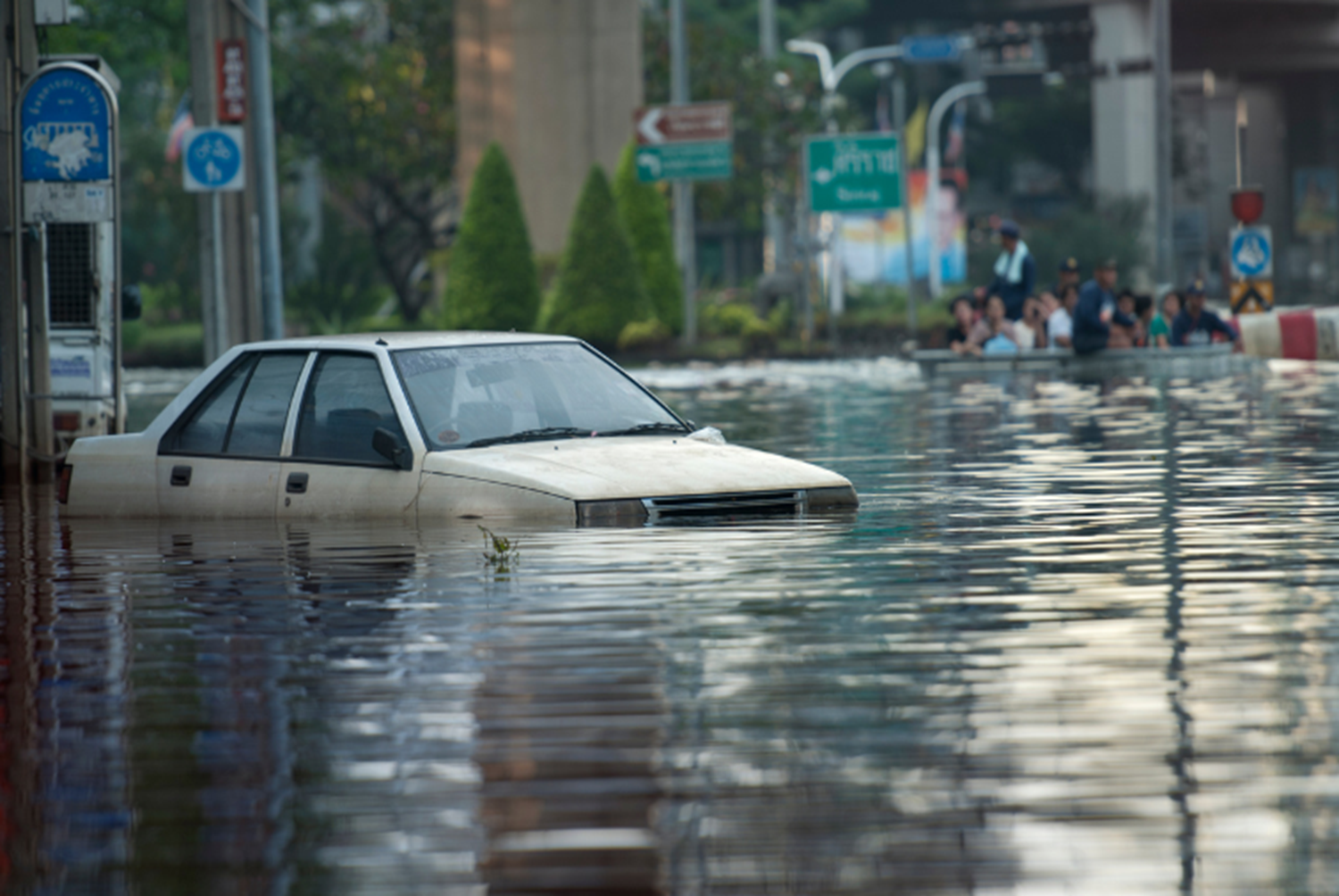
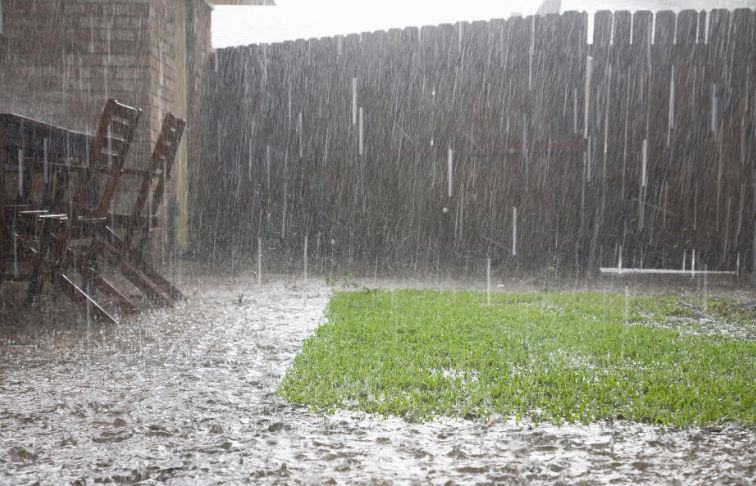
Heavy rains can overwhelm soil, gutters, storm drains, streams, and rivers. When rain falls faster than water can drain away, it can pool around foundations, cover roads, and enter basements.
Flash flooding can develop quickly, especially in low-lying areas and neighborhoods where runoff collects.
Thunderstorms and high winds
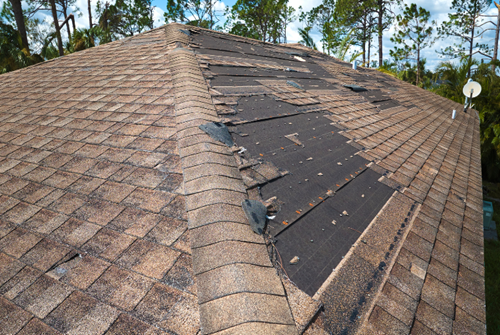
Thunderstorms can bring strong winds, falling trees, broken branches, roof damage, siding damage, and broken windows. Once the exterior of a building is damaged, rain can enter and spread quickly.
Flying debris can also damage gutters, roofing, and drainage paths, increasing the chance of water intrusion.
Snowmelt and frozen ground
Flooding can happen outside storm season. When snow melts quickly, and rain falls on frozen or saturated ground, water often runs across the surface instead of soaking in.
That runoff can fill drains, ditches, streams, and rivers, increasing the risk of basement leaks and foundation seepage.
Hurricanes and remnants of tropical storms
Johnstown is inland, but hurricane remnants can still bring several days of heavy rainfall to Western Pennsylvania. When the ground is already saturated, even moderate additional rain can push water levels higher and increase flooding risk.
The Property Damage Flooding Can Cause
Floodwater does not need to be deep to cause serious damage. Even a small amount of water can affect building materials, belongings, and indoor air quality.
Basement water damage
Basements are often the first area affected. Water can enter through foundation cracks, window wells, drains, sump pump failures, or sewer backups.
Once inside, it can damage flooring, drywall, insulation, appliances, furniture, and stored belongings.
Structural damage
Water can weaken framing, subfloors, support beams, masonry, and foundation walls. It can also cause wood to swell, warp, or rot if moisture remains too long.
After flooding, a professional inspection can help determine what can be dried and what needs repair or replacement.
Mold growth after flooding
Moisture can remain behind walls, under flooring, and inside insulation after visible water is gone. Under the right conditions, mold can begin developing within 24 to 48 hours.
Proper drying and moisture detection are critical after flooding.
Electrical and safety hazards
Flooding can affect outlets, wiring, breaker panels, appliances, HVAC equipment, and extension cords. Standing water may also hide sharp debris or structural hazards.
If water has reached electrical components, stay out of the area until it is safe.
Contaminated water and sewage backup
Floodwater may contain bacteria, sewage, chemicals, fuel, mud, and debris. This is especially common when water comes from rivers, storm drains, or sewer backups.
Contaminated water requires proper cleanup, removal, drying, and sanitizing, not just surface cleaning.
Warning Signs Your Home May Be at Higher Flood Risk
Flooding often gives warning signs before major damage occurs. Knowing what to look for can help you address small issues before the next storm turns them into costly repairs.
Water stains or efflorescence on basement walls
Brown stains, damp patches, or white chalky residue on basement walls can signal moisture moving through the foundation. These signs may not mean flooding is guaranteed, but they do mean water is reaching areas it should not.
Musty odors after rain
A musty smell after rainfall often points to hidden moisture. Water may be trapped behind drywall, under flooring, or inside insulation, even if the room looks dry.
Cracks in foundation walls or floors
Foundation cracks can allow water to enter during heavy rain. If the same area leaks repeatedly, hydrostatic pressure around the home may be forcing water through weak points.
Poor yard drainage
Pooling water, short downspouts, clogged drains, or soil sloping toward the house can all increase flood risk. Water should always move away from the foundation, not toward it.
Repeated sump pump activity
If your sump pump runs often during storms, it may indicate high groundwater around your home. Test it regularly and consider a battery backup for power outages.
How Homeowners Can Reduce Storm and Flood Damage
You cannot stop severe weather, but you can reduce how much damage it causes. A few preventative steps can make your home more resilient before the next storm.

Improve drainage around the home
Clean gutters, extend downspouts, clear drains and culverts, and make sure soil slopes away from the foundation. Better drainage reduces the amount of water pressing against your home.
Maintain the roof and exterior
Inspect shingles, flashing, siding, windows, and doors before storm season. Trim overhanging limbs and remove weak trees that could fall during high winds.
Protect the basement
Test your sump pump, keep valuables off the floor, inspect window wells, and repair foundation cracks early. A battery backup can help keep water moving during power outages.
Create a storm emergency plan
Keep insurance documents, photos of belongings, emergency contacts, and utility shutoff information in an easy-to-access place. A plan helps you act faster when conditions change.
Review your flood insurance coverage
Standard homeowners insurance typically does not cover flood damage. Talk with your insurance agent about flood coverage, especially if your property has flooded before or sits near a river, stream, or low-lying area.
What To Do After Storm or Flood Damage
After a storm, the first steps matter. Acting quickly and safely can limit damage, protect your family, and make restoration easier.
Put safety first
Do not enter standing water if electrical hazards, structural damage, sewage, or sharp debris may be present. Leave unsafe areas until they can be inspected.
Document the damage
Take photos and videos before moving damaged items, when it is safe. Capture flooring, walls, furniture, appliances, belongings, and exterior damage for insurance records.
Stop additional damage when possible
Move undamaged belongings to a dry area, shut off the water if a plumbing issue is involved, and cover roof openings if it can be done safely.
Don’t assume everything is dry
Water can remain behind walls, under flooring, and inside structural materials after visible moisture is gone. Hidden moisture is one of the biggest reasons mold and odors develop after flooding.
Contact a restoration professional early
A restoration team can extract water, locate hidden moisture, dry the structure, remove damaged materials, and help prevent mold. Fast response can reduce repair costs and shorten recovery time.
Local Storm Damage Restoration in Johnstown, PA
Storm and flood damage can leave you with water cleanup, repairs, and insurance questions all at once. At Keystone State Restoration, we've helped homeowners and property managers across Central and Western Pennsylvania recover since 1998.
From water damage restoration and mold remediation to roofing, fire damage restoration, cleaning, and reconstruction, we provide the services you need to restore your property after a disaster. Our team manages the entire process, helping you move from emergency cleanup to repairs with one trusted contractor.
If your Johnstown home or business has been affected by storm or flood damage, call Keystone State Restoration today to schedule your inspection and get your property back on track.
Conclusion
Johnstown’s rivers, narrow valley, steep hills, and changing weather patterns all contribute to the ongoing flood risk. While homeowners cannot control heavy rain, snowmelt, thunderstorms, or high winds, they can prepare before storms happen and respond quickly when damage occurs.
Small leaks, flooded basements, roof damage, and hidden moisture can all become bigger problems if they are ignored. The faster water is removed and affected materials are properly dried, the better the chance of preventing mold, structural issues, and more expensive repairs.
When storm damage affects your home or business, Keystone State Restoration is ready to help you move forward with confidence.
Frequently Asked Questions
What flood zone is Johnstown, PA in?
Johnstown does not have one single flood zone. FEMA flood zones vary by property, with many higher-risk areas near the Conemaugh River, Little Conemaugh River, Stonycreek River, and nearby streams. Some properties may fall in Zone AE, where flood insurance may be required with a federally backed mortgage.
Which areas are most at risk for damage from floods?
Low-lying properties, homes near river banks, basement-level spaces, and areas with poor drainage face the highest risk. In Johnstown, Pennsylvania, flooding can also affect homes outside mapped flood zones when heavy rain overwhelms storm drains, gutters, or sump pumps.
How many times has Johnstown, PA flooded?
Johnstown has flooded many times, with the most severe events including the 1889 Johnstown Flood, along with major flooding in 1936 and 1977. Floodwalls, levees, and other systems designed by civil engineers have reduced risk, but heavy rain and rising water levels can still affect residents today.