Water damage doesn't end when the standing water is removed. In many cases, the next problem begins almost immediately: mold growth. As we'll discuss in this guide on mold growth after water damage what Johnstown property owners should know, even a small leak or flooding event can create conditions for mold to develop in as little as 24 to 48 hours.
For property owners dealing with water damage in Johnstown weather, plumbing failures, or unexpected water intrusion, understanding the risks is essential. Knowing how mold develops, where it hides, and when to call professionals can help prevent costly repairs, protect indoor air quality, and safeguard the health of everyone inside the property.
Key Takeaways
- Mold can begin growing within 24 to 48 hours after water damage occurs.
- Hidden moisture behind walls, flooring, and ceilings can allow mold to spread unnoticed.
- Fast water extraction and professional drying are the most effective ways to prevent mold growth.
Why Mold Develops After Water Damage
Mold spores are naturally present both indoors and outdoors. Under normal conditions, these microscopic particles remain inactive and cause little concern.
Problems begin when excess moisture is introduced into a property through a leak, flooding event, water intrusion, or lingering humidity. Once moisture reaches organic material and porous materials such as drywall, wood, insulation, carpet fibers, and carpet padding, conditions become ideal for mold growth.
When damp materials remain wet, mold can begin colonizing surfaces and spreading into hidden areas. Elevated indoor humidity, humid environments, and limited airflow can accelerate mold development, particularly in areas like crawl spaces, basements, attics, and inside cabinets.
Over time, moisture problems can lead to hidden mold, visible contamination, and a much larger mold problem throughout the property.
How quickly mold can appear
One of the biggest concerns after water damage is how quickly mold can develop. In many situations, mold can begin growing within 48 hours of a water event. A short period of exposure to moisture is often enough for mold activity to start when materials are not properly dried.
This is why property owners should act quickly after discovering standing water, a burst pipe, water leaks, or a roof leak. A fast response that includes water extraction and a thorough drying process can help prevent mold growth before mold colonies become established. Professional equipment is often needed to remove moisture trapped behind walls, beneath flooring, and inside structural cavities.
Common sources of water damage that lead to mold
Several types of water damage create a significant mold risk if not addressed immediately. Common causes include:
- A burst pipe or damaged water supply line
- Hidden plumbing leaks behind walls or under sinks
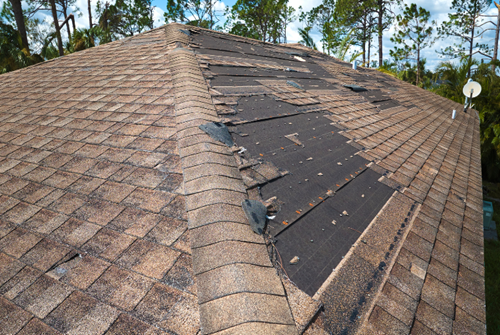
- A roof leak that allows moisture into ceilings and attics
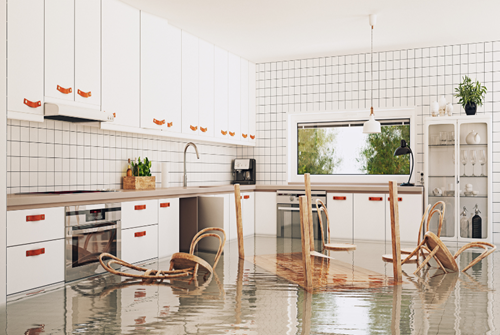
- Basement flooding and groundwater intrusion
- Storm related water intrusion from heavy rainfall and severe weather
- Overflowing appliances and malfunctioning air conditioners
- Water entering through damaged windows, doors, or exterior surfaces
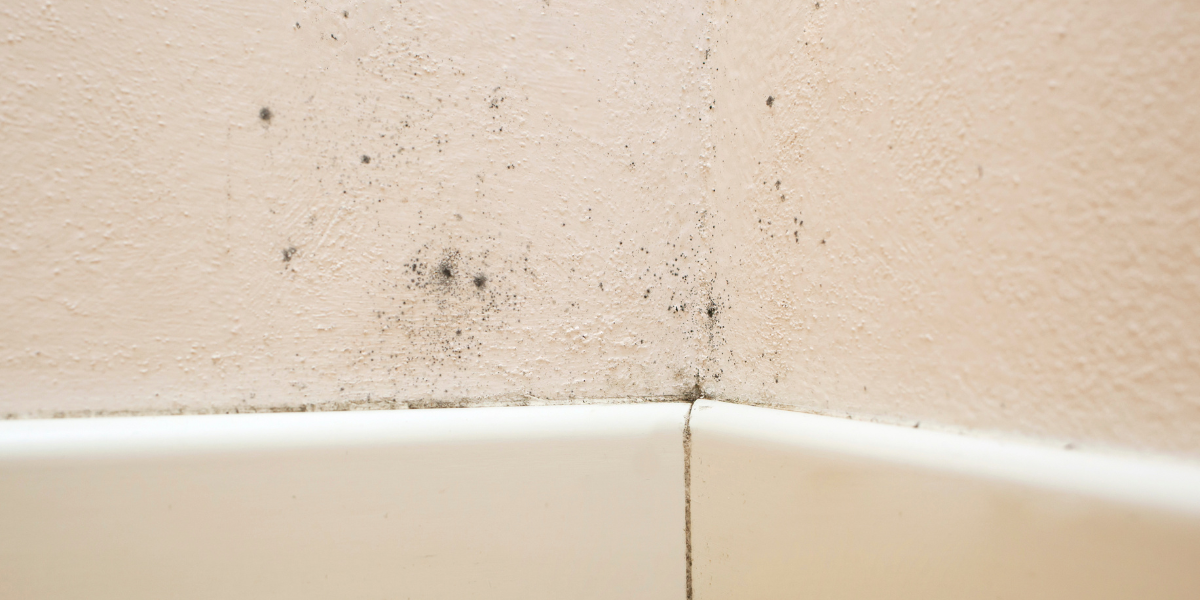
In many cases, the first warning signs include a musty odor, water spots, peeling paint, dark spots on walls or ceilings, or areas of visible mold. As moisture spreads through affected materials such as drywall, wood framing, and ceiling tiles, the potential for mold exposure increases.
Left untreated, mold can impact structural materials, create health risks, and trigger allergic reactions, particularly for immune compromised individuals. In severe cases, property owners may need professional mold remediation, mold removal, and even an air quality test to confirm that contamination has been properly addressed.
The best form of mold prevention is addressing the water source immediately, removing visible water, drying all wet items, using exhaust fans or open windows to increase airflow when appropriate, and scheduling professional drying services to reduce mold risk throughout the affected area.
Areas Most Vulnerable to Mold Growth
Behind walls and insulation
Water can become trapped behind drywall and within insulation, creating hidden moisture pockets where hidden mold can develop unnoticed. Since these areas are out of sight, mold often spreads before property owners notice any warning signs.
Flooring and subfloors
Materials like carpet, carpet padding, hardwood, and laminate can absorb moisture quickly. If these affected materials are not properly dried, mold may begin growing beneath the surface.
Ceilings and attics
A roof leak or poor ventilation can introduce moisture into ceilings and attic spaces. Ceiling tiles, wood framing, and insulation are especially vulnerable to mold growth after water intrusion.
Basements and crawl spaces
Basements and crawl spaces often experience higher humidity levels and limited airflow. These conditions make them common locations for ongoing moisture problems and mold development.
Signs Mold May Be Growing in Your Property
Musty or persistent odors
A musty odor is often the first sign of mold growth. Even if mold is not visible, a persistent smell may indicate hidden moisture and mold activity behind walls, under flooring, or inside cabinets.
Visible discoloration or staining
Visible mold may appear as black, green, white, or gray patches on walls, ceilings, or other surfaces. You may also notice dark spots or water stains in areas affected by moisture.
Peeling paint or warped materials
Peeling paint, bubbling drywall, and warped flooring can signal trapped moisture inside building materials. These conditions often create an environment where mold can develop.
Increased allergy-like symptoms
Mold exposure can trigger sneezing, coughing, congestion, headaches, and irritation. These symptoms may be more noticeable for people with allergies, asthma, or immune compromised individuals.
The Risks of Ignoring Mold After Water Damage
Health concerns for occupants
Mold exposure can cause respiratory irritation, coughing, congestion, and other symptoms. People with allergies, asthma, or immune compromised individuals may experience more severe reactions and ongoing discomfort.
Structural damage to the property
As mold grows, it can break down drywall, wood, insulation, and other structural materials. Over time, this damage can weaken affected areas and lead to costly repairs.
Higher restoration costs
The longer a mold problem goes untreated, the more extensive it can become. What starts as a small affected area may eventually require professional mold remediation, material replacement, and more expensive restoration work.
How to Prevent Mold Growth After Water Damage
Remove standing water immediately
The faster standing water is removed, the lower the chance of mold development. Quick water extraction helps limit moisture exposure and reduces the risk of damage spreading to nearby materials.
Thoroughly dry affected materials
A complete drying process is essential after water damage. Professional drying equipment, including air movers and dehumidifiers, helps ensure affected materials are properly dried before mold can begin growing.
Monitor moisture levels
Not all moisture is visible. Professionals use moisture meters and other tools to identify hidden moisture inside walls, flooring, and other structural materials before it becomes a larger mold problem.
Address the source of the water intrusion
Fixing the water source is critical for long-term mold prevention. Whether the issue stems from a burst pipe, roof leak, or ongoing water intrusion, addressing the cause helps prevent recurring moisture problems and future mold growth.
When Professional Mold Remediation Is Necessary
Situations that require expert help
Some mold issues require professional attention, especially when there is a large affected area, hidden mold, ongoing moisture problems, or recurring mold growth after previous cleanup efforts.
What professional remediation Includes
Professional mold remediation typically begins with a thorough inspection and moisture detection process. Services may include containment of affected areas, removal of contaminated materials, air filtration, cleaning, and recommendations to help prevent future mold problems.
Why DIY cleanup is not always enough
Surface cleaning may remove visible mold, but it often fails to address hidden contamination. Disturbing mold without proper equipment can spread mold spores to other areas, increasing the risk of further growth and additional remediation needs.
Mold Prevention Tips for Johnstown Property Owners
Maintain roofs, gutters, and drainage systems
Regular maintenance helps prevent water from entering your property. Addressing a damaged roof leak, clogged gutters, or drainage issues can reduce the risk of moisture problems and mold growth.
Schedule routine plumbing inspections
Small plumbing leaks often go unnoticed until significant damage occurs. Routine inspections can help identify potential issues before they lead to water intrusion and mold development.
Control indoor humidity levels
Keeping indoor humidity under control helps prevent excess moisture from accumulating. Using dehumidifiers, exhaust fans, and proper ventilation can make it harder for mold to grow.
Respond quickly to any water intrusion
No matter the source, it's important to act quickly when water enters a property. Prompt cleanup, drying, and repairs can help prevent mold growth and reduce the likelihood of costly remediation later.
Why Fast Restoration Matters
Preventing mold before it starts
Mold can begin growing within 48 hours of a water damage event. Fast restoration and professional drying help remove excess moisture before mold has a chance to develop.
Protecting your property's value
Water and mold can damage structural materials, flooring, and other important components of a property. Prompt restoration helps limit damage and preserve the condition and value of your investment.
Reducing downtime and repair costs
The longer moisture remains, the more extensive the damage can become. A fast response can reduce repair costs, shorten recovery time, and help prevent the need for more extensive mold remediation services.
Protect Your Property From Water and Mold Damage
When water damage strikes, a fast response can make all the difference. Keystone State Restoration provides professional water damage restoration, mold remediation, and storm damage restoration services to help property owners recover quickly and prevent further damage.
We also offer general contractor services to restore affected areas and return your property to its pre-loss condition. Contact our team today for expert assistance and dependable restoration solutions.
Conclusion
Mold growth can happen quickly after water damage, often before visible signs appear. Taking immediate action to remove water, dry affected materials, and address moisture problems can help protect your property from costly damage and health concerns. When in doubt, professional restoration services can help ensure the problem is fully resolved before mold has a chance to spread.
Frequently Asked Questions
How long does it take for mold to grow after water damage?
Mold can begin growing within 24 to 48 hours when moisture remains present.
Can mold grow even if standing water is removed?
Yes. Hidden moisture inside walls, flooring, and insulation can still support mold growth.
What are the first signs of mold after water damage?
Common warning signs include a musty odor, water stains, peeling paint, and visible mold growth.
Should I hire a professional for mold remediation?
Professional remediation is recommended for large affected areas, hidden mold, or recurring moisture problems.