Flooding can happen without warning, whether it's caused by heavy rain, overflowing rivers, a burst pipe, or another unexpected event. Once the water recedes, many homeowners aren't sure what comes next. Knowing about to expect in a flood damage cleanup in Johnstown PA can make the recovery process feel less overwhelming and help you make informed decisions during a stressful time.
Acting quickly is especially important when dealing with water damage Johnstown homeowners experience after floods or severe weather. The sooner cleanup begins, the better the chances of minimizing damage, protecting your property, and restoring your home safely.
Key Takeaways
- Flood damage cleanup begins with a thorough assessment and water removal.
- Drying, cleaning, and sanitizing are essential to prevent additional damage and mold.
- Acting quickly helps protect your home and can reduce the scope of repairs.
The First Steps After a Flood
The moments after a flood can feel overwhelming, but taking the right steps before the cleanup process begins can help protect your safety and make the recovery smoother. Focusing on immediate concerns first also helps reduce the risk of further damage to your home.
Put safety first
Before entering your home, make sure it's safe to do so. Watch for electrical hazards, unstable flooring, and contaminated floodwater, especially after severe storm damage. If there's standing water or signs of structural damage, avoid the affected areas until they're safe to enter.
Document the damage
Before moving belongings or beginning cleanup, take photos and videos of all affected areas. Capture damage to walls, flooring, furniture, and important documents to help support your insurance claim. Keeping a detailed record can make the claims process easier before restoration work begins.
What Happens During Flood Damage Cleanup
Every flood is different, but the cleanup follows a structured process designed to remove water, dry the property, and restore affected areas safely. Understanding the next steps can help homeowners know what to expect as restoration gets underway.
Property inspection and damage assessment
The first step is a thorough inspection of the property to determine the extent of the damage. Restoration professionals identify affected building materials, check for hidden moisture, and develop a plan for the restoration process based on the condition of the home.
Water extraction
Removing standing water is one of the most important parts of flood cleanup. Using professional equipment, restoration teams extract water from the property as quickly as possible to help limit additional damage and prepare the space for drying.
Drying and dehumidification
Even after visible water is removed, moisture can remain inside materials such as wet drywall, flooring, and carpet padding. Commercial drying equipment helps remove trapped moisture and prepares the affected areas for the next stage of restoration.
Cleaning and sanitizing affected areas
Floodwater often leaves behind mud, debris, and contaminants that must be cleaned before repairs begin. Surfaces are thoroughly cleaned and sanitized to create a safe environment for restoration.
Monitoring moisture levels
Throughout the drying process, restoration professionals monitor moisture levels to confirm that affected materials are drying properly. This step helps ensure the property is ready for repairs and reduces the risk of future problems after the restoration is complete.
Why Thorough Drying Is So Important
Removing standing water is only part of the restoration process. Moisture can remain hidden long after the surface appears dry, making thorough drying one of the most important steps in preventing additional damage.
Hidden moisture can remain behind walls and under flooring
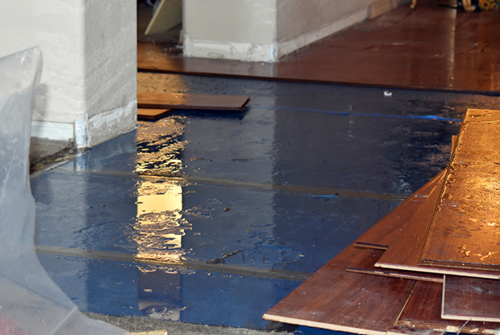
Water can seep behind walls, beneath flooring, and into other concealed areas where it's difficult to spot. Without proper drying, that trapped moisture can continue spreading and affect materials for several days after the initial flood.
Proper drying helps reduce the risk of mold
Professional drying equipment removes moisture that household fans often miss. Drying affected materials as quickly as possible helps reduce the risk of mold developing and limits additional problems during restoration.
Prevents additional structural damage
Thorough drying helps protect building materials from continued deterioration. By removing hidden moisture early, restoration professionals can reduce the amount of repair work needed and help return your property to a safe, stable condition.
What Items Can Be Restored?
Not everything affected by a flood will need to be thrown away. The extent of the damage, how long materials were exposed to water, and how quickly cleanup begins all play a role in determining what can be restored and what may need to be replaced.
Items that may be salvageable
Many items can often be restored if cleanup begins promptly. Furniture, personal belongings, and some building materials may be saved through professional drying, cleaning, and restoration techniques. Acting quickly improves the chances of returning these items to their pre-loss condition whenever possible.
Items that may need replacement
Some materials absorb too much water to be restored safely. Saturated drywall, insulation, and severely damaged flooring often need to be removed and replaced to ensure the property can be properly dried and restored. During the restoration process, professionals will determine which materials can be saved and which should be replaced to help return the property to its pre-loss state.
How Long Does Flood Damage Cleanup Take?
There's no single timeline for flood damage cleanup because every situation is different. Some homes require only a few days of drying, while others need more extensive restoration before repairs can begin.
Every property is different
The time needed depends on the amount of water, how long it remained in the home, and which materials were affected. A small leak may be resolved relatively quickly, while a flooded basement or widespread water damage can take longer to restore.
Factors that affect the timeline
Several factors influence how long the cleanup process will take, including the amount of water involved, the materials affected, the time required for thorough drying, and the extent of any necessary repairs. While every project is different, allowing each step to be completed properly helps ensure your home is restored safely and thoroughly.
Why Acting Quickly Makes a Difference
Responding quickly after a flood can have a major impact on the outcome of the restoration. The sooner cleanup begins, the better the chances of minimizing damage and getting your home back to normal.
Limits additional damage
Water continues spreading until it's removed. A fast response helps limit damage to building materials and belongings before the situation becomes more difficult to restore.
Helps reduce repair costs
Addressing flood damage early often means fewer repairs later. Prompt cleanup can prevent smaller problems from becoming larger, more expensive restoration projects.
Shortens the restoration process
Starting restoration as soon as possible allows drying and repairs to begin sooner. Completing the necessary steps without unnecessary delays can help reduce disruptions and get your home ready for everyday life again.
Conclusion
Flood damage can be overwhelming, especially when you're unsure what comes next. Knowing what to expect during the cleanup process can help you make informed decisions and take the right steps as soon as it's safe to do so. Acting quickly, following the proper restoration process, and addressing damage early can help protect your property and make the recovery process as smooth as possible.
Get Flood Damage Cleanup Started Quickly
The sooner flood cleanup begins, the better the chances of limiting damage and protecting your home. Taking action early allows water removal, drying, and restoration to begin before moisture causes additional problems.
If your home has been affected by flooding, our team at Keystone State Restoration is here to help. We provide prompt flood damage cleanup, mold remediation, and complete construction services, such as decking and painting, to help restore your property as safely and efficiently as possible.
Contact us today to schedule an inspection or request emergency assistance.
Frequently Asked Questions
What should I do after a Johnstown flood?
Once it's safe to return home, document the damage with photos, avoid standing water if possible, and contact your insurance company. Starting the cleanup process quickly can help reduce additional damage and speed up recovery.
How long does water damage restoration usually take?
The timeline depends on the amount of water, the materials affected, and how much drying is required. Minor water damage may take only a few days to restore, while more extensive flooding can take longer.
Can storm damage lead to hidden water problems?
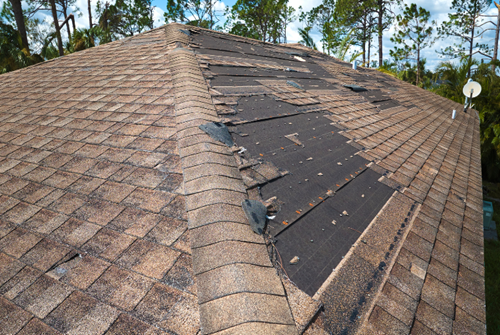
Yes. Storm damage can allow water to enter through damaged roofs, windows, or foundations, where moisture may remain hidden behind walls or beneath flooring if it isn't properly addressed.
When should I call a restoration company after flooding?
You should contact a restoration company as soon as it's safe to do so. A prompt response helps begin water removal and drying before additional damage develops and can improve the overall restoration process.