Water damage can happen without warning, and the effects often extend far beyond what is visible on the surface. When discussing how water damage impacts commercial buildings and operations, it's important to recognize that even a small leak can disrupt employees, customers, equipment, and daily business activities.
For commercial property owners, water damage in Johnstown can quickly lead to operational setbacks, costly repairs, and long-term property concerns if it is not addressed promptly.
Key Takeaways
- Water damage can disrupt business operations, damage equipment and inventory, and lead to costly repairs if not addressed quickly.
- Hidden moisture can contribute to mold growth, structural damage, and long-term property issues that extend beyond the original water source.
- Fast mitigation and professional restoration help reduce downtime, protect commercial properties, and limit the overall impact on your business.
Water Damage Doesn't Stay in One Place
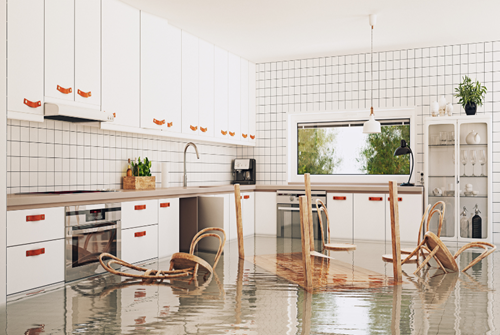
One of the biggest challenges with water damage is that it rarely stays contained to a single area. Water intrusion can travel through walls, ceilings, flooring, and insulation, reaching spaces that may not show immediate signs of damage. What begins as a major leak, burst pipe, roof leak, or faulty plumbing issue can quickly escalate into a much larger problem.
Even after standing water is removed, hidden moisture can remain behind walls or beneath flooring. Left untreated, this moisture can contribute to mold growth, structural damage, and health hazards that become more difficult and expensive to address. Signs like bubbling paint, warped materials, or unexplained odors often indicate that water has spread beyond the original source.
Commercial properties face unique challenges
Commercial buildings often have larger footprints, more complex plumbing systems, HVAC units, electrical systems, and multiple occupied spaces, creating more opportunities for water to spread. A single water-related incident can affect offices, tenants, inventory, equipment, and daily business operations all at once.
For property managers and commercial property owners, even minor leaks can lead to significant damage if they are not addressed promptly.
In older commercial buildings, corroded pipes, aging water heaters, clogged drains, roof leaks, and worn drainage systems can increase the risk of extensive damage. What starts as a localized issue can impact the physical structure of the building, create safety risks, and result in costly repairs, repair expenses, and lost revenue.
Operational Disruptions Can Happen Quickly
Water damage can bring normal business operations to a standstill. Employees may lose access to workspaces, equipment can become unusable, and even a small issue can lead to downtime while repairs are completed. In severe cases, temporary closures can result in lost revenue, significant financial losses, and unexpected financial strain.
Customer experience can suffer
Visible property damage, lingering odors, and safety concerns can leave a negative impression on customers. Wet floors and restricted access may disrupt service and reduce operational efficiency.
Early detection is so important. Regular inspections, preventive maintenance, and tools such as leak detection systems and water leak detection sensors can help detect leaks early, prevent water damage, and avoid costly repairs before they impact your business.
Structural Damage Can Develop Over Time
Water doesn't simply sit on the surface. It can soak into drywall, flooring, insulation, and wood, gradually affecting a building's structural integrity.
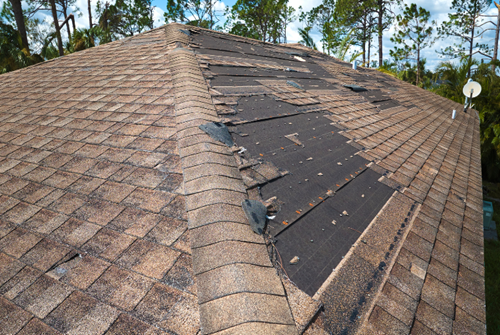
Over time, moisture can contribute to structural issues in walls, ceilings, and exterior walls, especially if the source of the problem remains active. Roof leaks caused by missing shingles, HVAC systems with frozen evaporator coils, and sump pump failures are all common sources of ongoing water intrusion.
Small problems often become expensive repairs
What starts as a minor issue can lead to extensive structural damage if left untreated. As moisture continues to spread, repair costs increase and extensive repairs may become necessary.
Delayed action can also affect property value, create financial implications for property owners, and contribute to higher insurance claims and increased insurance premiums.
Mold Growth Creates Additional Risks
Once moisture becomes trapped behind walls, under flooring, or inside building materials, mold growth can begin surprisingly quickly. These damp areas can become breeding grounds for mold, especially when water damage is not addressed promptly. What starts as hidden moisture can turn into a larger remediation project that affects multiple areas of a commercial building.
Indoor air quality may be affected
Mold doesn't just damage property. It can also impact indoor air quality and create health concerns for employees, tenants, and visitors. In some cases, prolonged exposure may contribute to respiratory problems and other discomforts that affect workplace productivity.
Equipment, Inventory, and Assets May Be Damaged
The impact of water damage often extends beyond walls and flooring. Inventory, documents, electronics, and specialized equipment can all be affected when water reaches occupied areas. In some industries, even a short period of exposure can lead to equipment failure, operational delays, and costly disruptions.
Recovery often extends beyond cleanup
Removing water is only part of the recovery process. Damaged assets may need to be repaired or replaced, adding to overall costs and delaying a return to normal operations. Proper drying and restoration help limit secondary property damage, reduce replacement expenses, and protect valuable equipment and inventory from further loss.
Why Fast Response Matters for Commercial Water Damage
Water damage doesn't stop spreading on its own. The longer moisture remains in a building, the greater the risk of structural damage, mold growth, and disruptions to daily operations. Fast action helps reduce downtime, limit damage, and prevent a small issue from becoming a much larger restoration project.
A complete restoration approach is important
Water extraction is only the beginning. Commercial properties often require thorough drying, moisture detection, repairs, and reconstruction to fully recover. Addressing the entire scope of the damage helps businesses reopen sooner and reduces the likelihood of ongoing problems after the initial cleanup is complete.
We Help Commercial Properties Recover
When water damage affects your commercial property, Keystone State Restoration's goal is to help you recover as quickly and efficiently as possible. We provide 24/7 emergency response, water damage mitigation, professional drying services, mold remediation, reconstruction, and repairs.
From the initial cleanup through the final stages of restoration, we focus on minimizing disruption so you can get your business operations back on track.
Conclusion
Water damage can create challenges that extend well beyond a wet floor or damaged wall. It can disrupt daily operations, affect employees and customers, damage valuable assets, and lead to costly repairs if left unaddressed. The sooner water damage is identified and mitigated, the better the chances of protecting your property and getting your business back to normal with minimal disruption.
Frequently Asked Questions
How does water damage affect commercial buildings?
Water damage can impact building materials, inventory, equipment, and indoor air quality. Over time, it may also contribute to structural damage and mold growth.
Can water damage force a business to close temporarily?
Yes. Depending on the extent of the damage, certain areas or the entire facility may need to close while cleanup, drying, and repairs are completed.
How quickly can mold develop after commercial water damage?
Mold can begin growing within 24 to 48 hours when moisture is present, which is why prompt drying and restoration are so important.
What should a business do immediately after discovering water damage?
Stop the source of the water if it is safe to do so, protect valuable equipment or inventory, and contact a professional restoration company to begin mitigation as quickly as possible.