Water damage can bring business operations to a standstill in a matter of hours. A burst pipe, roof leak, severe storm, or plumbing failure can damage inventory, equipment, important documents, and building materials long before help arrives. While many property owners focus on prevention, emergency planning for water damage in commercial properties is just as important as routine maintenance.
Without a clear plan, even a small water intrusion event can lead to costly downtime, damaged assets, and disruptions that affect employees and customers alike. Preparing in advance helps businesses respond quickly, reduce losses, and protect critical operations when unexpected water damage occurs.
For commercial property owners dealing with water damage from Johnstown weather events, aging infrastructure, or sudden plumbing failures, having a well-defined emergency response strategy can make a significant difference in limiting damage and speeding up recovery.
Key Takeaways
- A water damage emergency plan helps reduce downtime, property damage, and business disruptions.
- Regular inspections and preventive maintenance can identify vulnerabilities before they become costly emergencies.
- Fast action and professional restoration services are critical for minimizing damage and speeding up recovery.
Why Commercial Properties Need a Water Damage Emergency Plan
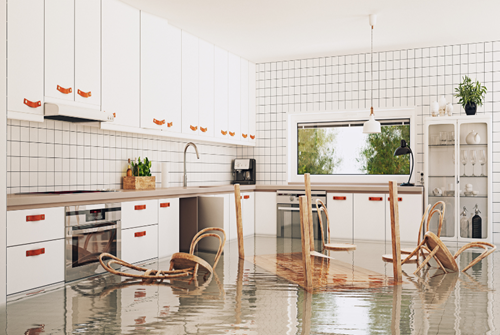
Commercial buildings face a significant risk when water damage occurs because even a small issue can quickly affect large areas of a property. A burst pipe, broken sprinkler head, or severe weather event can disrupt business operations, damage critical equipment, and create safety concerns for employees and customers.
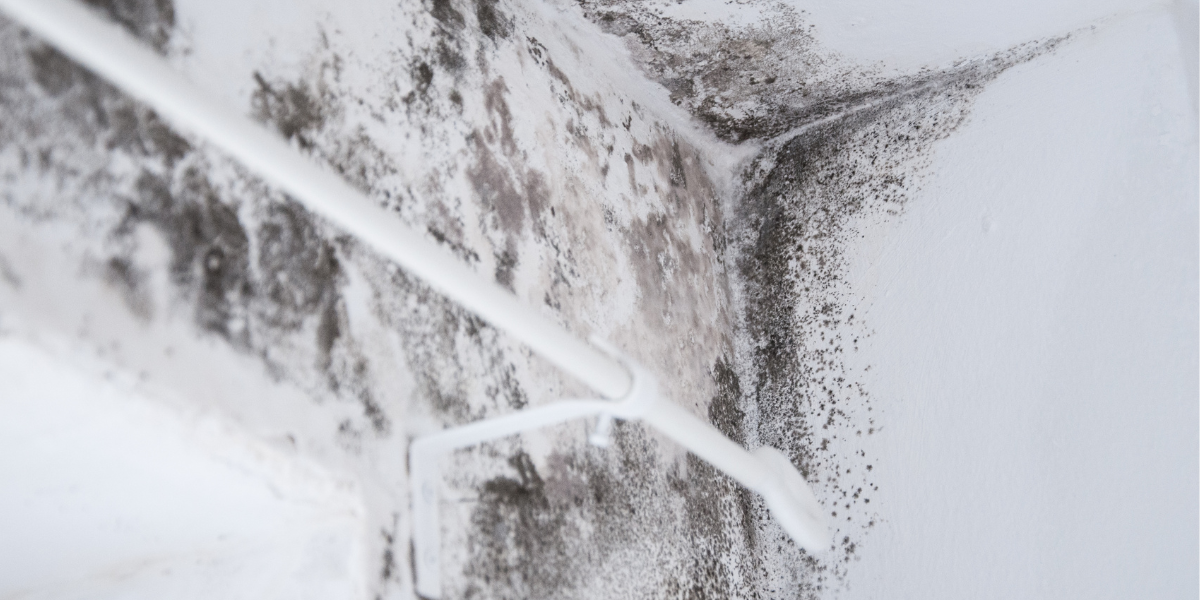
Without an emergency response plan, delays can lead to standing water, damaged materials, mold growth, and other health hazards. Having a clear plan in place helps key personnel respond quickly, minimize damage, and begin the restoration process before the situation worsens.
The cost of waiting to react
Water damage spreads fast. What starts as a minor leak can affect electrical systems, fire protection systems, security systems, and other critical systems throughout a building.
As water moves through affected areas, it can weaken structural integrity, damage inventory, and increase the risk of business interruption. The longer water remains, the greater the chance of extensive damage, costly repairs, and insurance claims. Quick action is often the difference between a manageable cleanup and significant property damage.
Common causes of commercial water damage
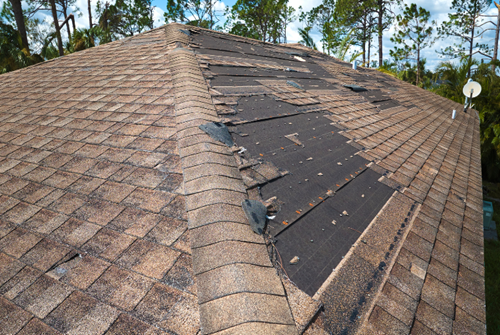
Many common emergencies can lead to water intrusion in commercial properties. Leaking pipes, a burst pipe, failing water heaters, and clogged drains are among the leading causes. Severe weather can also create problems when heavy rain, flooding, high winds, lightning strikes, or missing shingles allow water infiltration through a building's envelope.
Mechanical issues involving air conditioning systems, sump pumps, and drainage systems can also contribute to interior water damage. Regular inspections help identify these risks early and give property owners a better chance to prevent flood damage before it occurs.
Identifying Vulnerabilities Before a Problem Occurs
An emergency response plan is only effective if you understand where your property is most vulnerable. Identifying potential risks early can help prevent significant damage, reduce downtime, and make it easier to begin cleanup if water damage occurs.
Conduct regular building inspections
Regular inspections help catch problems before they cause further damage. Pay close attention to roofs, plumbing, windows, and areas connected to the water supply. Small leaks, clogged drains, and moisture buildup should never be ignored, as they can lead to structural damage and costly repairs over time.
Protect high-risk areas
Some key areas require extra attention, including mechanical rooms, storage spaces, basements, and technology rooms that house critical items. Water exposure in these locations can lead to short circuits, power outages, and other significant damage. Facilities that store hazardous materials should also have additional safeguards in place.
Keep maintenance records updated
Keeping detailed records helps ensure a building remains well-maintained and provides valuable documentation for your insurance provider or insurance agent if a claim becomes necessary. Maintenance histories can help establish a property's pre-loss condition and support a faster response from emergency services when needed.
Building an Effective Water Damage Response Plan
Once you've identified potential vulnerabilities, the next step is creating a clear plan for responding when water damage occurs. Quick decisions and organized communication can help reduce confusion, protect employees, and limit property damage.
Create an emergency response team
Every commercial property should have designated team members responsible for responding to emergencies. Assign responsibilities in advance and establish clear communication procedures so key personnel know who to contact first and what actions to take when water damage is discovered.
Know where shut-offs are located
A fast response often starts with stopping the source of the water. Employees should know the locations of water main shut-offs and electrical controls throughout the building. In some situations, it may be necessary to cut power to prevent additional hazards and damage.
Maintain an emergency contact list
Keep an updated list of important contacts, including property managers, maintenance personnel, utility companies, insurance providers, and restoration professionals. Having this information readily available can save valuable time when every minute counts.
Steps to Take Immediately After Water Damage Occurs
Even with a solid emergency plan, the actions taken during the first few hours can significantly affect the outcome. A fast, organized response can help reduce damage, protect occupants, and speed up the recovery process.
Prioritize safety first
Before addressing the water itself, make sure employees and visitors are safe. Watch for electrical hazards, damaged building materials, and other unsafe conditions in affected areas. If water has reached electrical systems or created dangerous conditions, it may be necessary to evacuate the area until it can be safely assessed.
Stop the source of water
If possible, identify and stop the source of the problem. This may involve shutting off the water supply, containing an active leak, or addressing a plumbing issue. The sooner water flow is stopped, the easier it becomes to prevent additional damage.
Document everything
Take photos and videos of affected areas, damaged equipment, and inventory before cleanup begins. Thorough documentation can help support insurance claims and provide a clear record of the extent of the damage.
Begin damage mitigation quickly
Standing water should be removed as soon as possible to reduce the risk of mold growth and further property damage. Protect equipment, inventory, and other valuable assets while arranging for professional water extraction and restoration services.
Protecting Critical Business Assets
A water damage emergency plan should go beyond protecting the building itself. Businesses also need strategies for safeguarding technology, records, and essential operations that keep the company running.
Safeguard technology and equipment
Technology often represents some of a company's most valuable assets. Regular backups, protected server rooms, and recovery plans for critical equipment can help reduce downtime if water damage affects computers, networking equipment, or other systems.
Develop a plan for important documents
Important records should be stored digitally whenever possible and backed up in a secure off-site location. Taking these precautions helps protect sensitive information and makes it easier to recover essential documents after a water-related incident.
Prepare for operational continuity
Even minor water damage can disrupt daily operations. Planning for temporary workspaces, remote work capabilities, and clear communication with employees and customers can help businesses continue operating while cleanup and restoration efforts are underway.
Working With Your Insurance Provider
Insurance can play a major role in recovery after water damage, but the process is much smoother when you're prepared ahead of time. Taking a proactive approach can help avoid delays and confusion during an already stressful situation.
Review coverage before an emergency happens
Business owners should review their policies regularly to understand what types of water damage are covered and where exclusions may apply. Knowing the difference between various water-related claims before an emergency occurs can help prevent unexpected surprises later.
Streamline the claims process
If water damage occurs, detailed documentation can make the claims process easier. Keep records of inspections, maintenance, and repairs, and take photos of any damage as soon as it is discovered. Prompt reporting and organized information can help your insurance provider process claims more efficiently and support a faster recovery.
The Importance of Professional Restoration Services
Even with a strong emergency plan, professional restoration services are often necessary to fully address water damage. Fast action can help limit losses, protect the building, and get business operations back on track sooner.
Why fast response makes a difference
The longer water sits, the more damage it can cause. Quick response helps reduce structural damage, prevent mold growth, and limit the impact on equipment, inventory, and building materials. It can also shorten recovery timelines and reduce overall repair costs.
What professional water damage restoration includes
Professional restoration goes beyond removing visible water. The process typically includes water extraction, structural drying, dehumidification, cleaning, and sanitization. If materials have been severely damaged, repairs and reconstruction may also be necessary to return the property to its pre-loss condition.
Protect Your Property Before the Next Emergency
Water damage can happen without warning, but preparation makes all the difference. If your commercial property has experienced water damage or you need expert help with restoration and repairs, Keystone State Restoration is ready to respond.
Our team provides fast, reliable solutions to help protect your building, minimize downtime, and restore normal operations as quickly as possible.
Contact us today to discuss your restoration needs or request emergency service.
Conclusion
No business owner expects water damage, but preparation can make a major difference when it happens. A clear emergency plan, regular maintenance, and a fast response can help protect your property, reduce disruptions, and limit costly repairs. Taking these steps now can help your business recover more quickly when the unexpected occurs.
Frequently Asked Questions
What should I do first if water damage occurs in a commercial building?
Prioritize safety, stop the water source if possible, and document the damage before beginning cleanup efforts.
How quickly can water damage affect a commercial property?
Water can spread within minutes, damaging building materials, equipment, inventory, and critical systems.
Does commercial insurance cover all types of water damage?
Coverage varies by policy. Review your insurance plan regularly to understand what types of water damage are included.
Why should I hire a professional water damage restoration company?
Professionals have the equipment and expertise to remove water, dry affected areas, prevent mold growth, and restore the property properly.