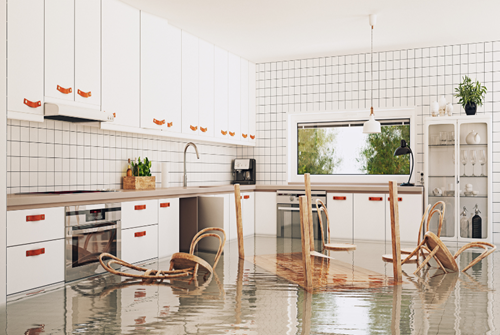
Finding sewage, standing water, or a backed-up basement in your home is stressful and unsafe. Unlike a typical leak, a sewage backup may contain bacteria, viruses, waste, and other contaminants that can quickly lead to property damage.
Understanding sewage backup cleanup in Johnstown, PA: what you need to know helps you act fast, protect your family, and reduce repair costs. While many people connect water damage Johnstown homes face with storms or flooding, sewer backups are another serious emergency that calls for careful cleanup.
In this guide, we’ll cover what causes sewage backups, what to do first, what mistakes to avoid, and why professional restoration is often the safest way to get your home clean, dry, and healthy again.
Key Takeaways
- Sewage backups are contaminated water emergencies, not normal spills.
- Avoid sewage, standing water, electrical hazards, and gas risks whenever possible.
- Stop the source when possible, then call the right professionals for cleanup and restoration.
What Is a Sewage Backup?
Not every water emergency is the same. A sewage backup is more dangerous than a clean water leak because it can bring contaminated wastewater into your living space.
Sewage backup vs. sewer backup
The terms sewage backup and sewer backup are often used together, but they describe slightly different parts of the problem.
A sewage backup happens when wastewater comes back into your home through a toilet, floor drain, sink, shower, or other fixture. A sewer backup usually refers to the blockage or failure in the sewer line that causes wastewater to reverse direction.
Whether the issue starts inside your plumbing system or farther down the municipal line, it should be treated as an emergency.
Why sewage is different from clean water
Clean water from a broken supply pipe is very different from sewage. Sewage can contain bacteria, viruses, human waste, debris, grease, chemicals, and other contaminants.
Because of those health risks, sewage should never be treated like a normal spill. Even a small amount can contaminate flooring, drywall, insulation, furniture, and other porous materials.
Why basement backups are common
Most sewer backups show up in the basement because it is usually the lowest point in the plumbing system. When wastewater cannot leave the property because of a blockage, it comes back through the lowest opening, often a floor drain, utility sink, or basement bathroom.
If the backup happens overnight or while no one is home, an entire basement can be affected before the problem is found.
Common Causes of Sewer Backups in Johnstown Homes
Several plumbing issues can cause a sewer backup. Finding the source matters because cleanup alone will not prevent the problem from happening again.
Tree roots invading sewer lines
Tree roots are a common problem in older neighborhoods. Small cracks in underground pipes allow roots to enter the line, where they grow toward moisture. Over time, they catch debris, restrict flow, and create a serious blockage.
A plumber may use a camera inspection to locate root intrusion before recommending a repair.
Grease, hair, and debris buildup
Many sewer backups are caused by everyday buildup. Cooking grease, hair, paper towels, hygiene products, food scraps, and soap residue can collect inside drains and sewer lines.
As the line narrows, drains may slow down, toilets may gurgle, and wastewater may eventually back up into the house.
Broken, frozen, or aging pipes
Many Johnstown homes have older plumbing systems. Over time, pipes can crack, collapse, separate, corrode, or shift due to soil movement and age.
Seasonal freeze risks can also create plumbing problems during cold weather. When pipes fail, wastewater may not move properly through the system.
Heavy rain and overloaded sewer systems
During prolonged rain, local sewer systems can become overwhelmed. Storm-related flooding and heavy runoff can contribute to backups, especially in older areas where infrastructure is under more stress.
Floodwater may also be contaminated, so it should be treated carefully until a professional assessment confirms the risk level.
Plumbing fixture and appliance failures
Not every sewage backup starts underground. A clogged toilet, overflowing fixture, damaged water heater, appliance discharge line, or internal plumbing failure can also create wastewater problems inside the home.
Because different issues can look similar, a professional inspection is the best way to identify the cause.
First Steps After a Sewage Backup
What you do first can help reduce damage and keep everyone safer.
Stay out of the affected area
Avoid walking through sewage or standing water unless it is absolutely necessary. If you must enter the area, wear waterproof boots, gloves, and protective clothing.
Children and pets should stay away until cleanup is complete.
Stop the source if possible
If wastewater is still entering your home, stop the source if it is safe to do so. That may mean shutting off the main water supply, avoiding toilets and drains, or calling a plumber for an active blockage or damaged sewer line.
Do not use toilets, showers, sinks, dishwashers, or washing machines until the source is identified. Using the plumbing system can push more wastewater into the affected area.
Watch for electrical and gas hazards
Never enter standing water if outlets, cords, appliances, or wiring may still have power. If you smell gas or suspect a leak, leave the building immediately and contact the utility company.
Water around electrical equipment or gas appliances can create serious hazards and should be handled by qualified professionals.
Call the right professionals
A plumber may be needed to fix the blockage, broken pipe, or sewer line issue causing the backup. A restoration company handles the cleanup that follows, including extraction, sanitizing, drying, and repairs.
For sewage backups, cleanup should happen quickly because contaminated water can spread into flooring, walls, and building materials.
Document the damage
If it is safe, take photos and videos before cleanup begins. Capture the standing water, affected rooms, flooring, walls, belongings, furniture, appliances, and the overall extent of the mess.
This documentation may help with your homeowner insurance claim and restoration estimate.
What Not to Do During Sewage Cleanup
It is natural to want to clean right away, but the wrong approach can spread contamination and make the damage worse.
Don't rely on bleach alone
Bleach can disinfect some hard surfaces, but it is not a complete sewage cleanup solution. It does not remove contaminated debris or restore porous materials that absorbed sewage.
Drywall, insulation, wood, carpet, and padding often need professional evaluation, cleaning, or removal. Proper cleanup starts with removing contamination, then cleaning, sanitizing, and drying.
Don't mop contaminated water around
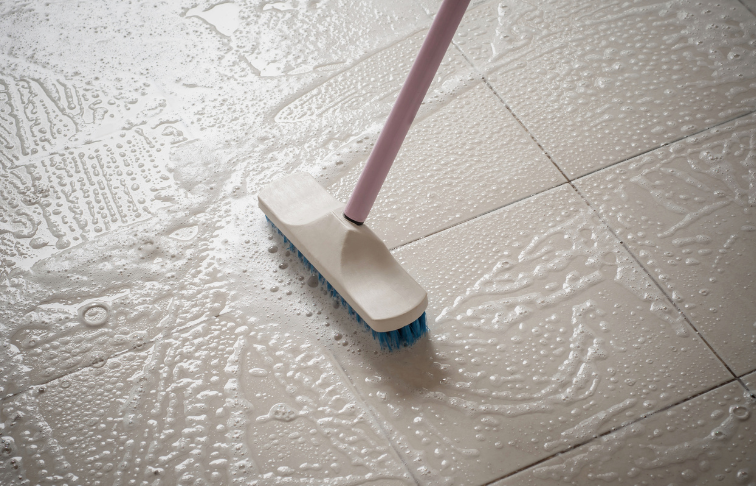
Using a mop can spread sewage across the floor and into seams, grout lines, cracks, and nearby surfaces. Washing the surface may still leave bacteria behind.
Contaminated water and debris should be removed before disinfection begins.
Don't use fans too soon
Opening windows may help with odor, but fans should be used carefully. If sewage and debris have not been removed, moving air can spread odors and contaminants.
Professional drying equipment is typically used after contaminated materials are removed and the area is cleaned.
Don't keep contaminated porous materials
Items like bedding, carpet padding, upholstered furniture, cardboard boxes, and absorbent belongings can hold bacteria and odor after contact with sewage.
Some items can be cleaned, but others should be thrown away. A restoration professional can help determine what is safe to keep.
Don't wait to get help
Waiting until morning or hoping the area dries on its own can allow contamination, odor, and moisture damage to spread.
Fast cleanup helps limit damage, reduce repair needs, and lower the risk of mold growth.
How Professional Sewage Backup Cleanup Works
Professional sewage cleanup is about more than removing water. The goal is to make the property clean, dry, and safe again.
Inspection and safety assessment
Technicians inspect the property, assess the contamination, identify affected areas, and determine which materials can be restored.
They arrive equipped with protective gear and specialized tools to handle contaminated water and materials safely.
Water and sewage removal
Once the area is safe, the crew removes standing water, sewage, and loose debris with commercial extraction equipment.
Quick removal helps reduce damage to floors, walls, and building materials.
Cleaning and sanitizing
After extraction, salvageable hard surfaces are cleaned and disinfected. Depending on the material, technicians may use hot water, professional cleaning solutions, and approved disinfectants to remove bacteria and other contaminants.
The goal is to prepare the space for safe drying and restoration.
Removing damaged materials
Some materials cannot be safely restored after a sewage backup. Depending on the extent of contamination, technicians may remove drywall, insulation, flooring, trim, carpet, or padding.
Removing damaged materials helps eliminate lingering contamination and creates a clean base for repairs.
Structural drying
Even after visible water is gone, moisture may remain inside walls, floors, and building materials. Professional drying equipment helps remove trapped moisture and reduce the risk of secondary damage or mold growth.
Technicians monitor moisture levels until the affected areas are properly dried.
Repairs and restoration
Once cleanup and drying are complete, repairs can begin. Depending on the damage, this may include drywall repair, flooring replacement, trim installation, painting, or rebuilding affected areas.
What Items Can Be Cleaned and What Should Be Thrown Away?
After a sewage backup, whether an item can be saved depends on the material, exposure time, and contamination level.
Items that often need disposal
Porous materials are difficult to disinfect completely after sewage exposure. Carpet, carpet padding, upholstered furniture, mattresses, bedding, wet insulation, cardboard boxes, paper goods, some drywall, trim, and stuffed toys often need to be thrown away.
A restoration professional can evaluate each item before disposal.
Items that may be salvageable
Non-porous items are more likely to be cleaned and disinfected. Metal furniture, glass, sealed plastic containers, ceramic tile, some countertops, and certain appliances may be salvageable depending on the damage.
Electrical appliances should be inspected before use if they were exposed to contaminated water.
Food safety after a sewage backup
Any food that touched sewage should be discarded. If the power went out, refrigerated and frozen food may also need to be evaluated.
When in doubt, throw it out.
Sewage Backup and Your Insurance Claim
Sewage cleanup can be expensive, so it is important to understand how insurance may apply.
Does homeowner insurance cover sewer backup?
Coverage depends on your policy. Many standard homeowner insurance policies do not automatically include sewer backup coverage. Some require a separate endorsement or optional coverage.
Review your policy or contact your insurance provider to confirm what is covered.
What documentation helps?
Photos, videos, notes about the damage, affected rooms, damaged belongings, plumber findings, repair estimates, and receipts for emergency service can all support your claim.
Good documentation helps show the extent of the damage and the steps taken to address it.
Why documentation matters
You should not delay emergency cleanup for paperwork, but documenting the damage before removal can make the claim process smoother and provide a clearer record of the loss.
How to Prevent Future Sewage Backups
Not every backup can be prevented, but routine maintenance can reduce the risk.
Schedule sewer line maintenance
Periodic sewer inspections and cleaning can remove grease, debris, roots, and buildup before they cause a blockage.
If your property has recurring backups, ask a plumber about a sewer camera inspection.
Watch for early warning signs
Slow drains, frequent toilet clogs, gurgling sounds, water backing up into tubs or floor drains, and sewage odors can all point to a developing problem.
Calling a professional early may help prevent a larger mess.
Be careful what goes down the drain
Many sewer blockages begin with everyday habits. Avoid putting grease, cooking oils, coffee grounds, paper towels, wipes, hygiene products, or excess hair down the drain.
Even “flushable” products can contribute to clogs over time.
Inspect older plumbing systems
If your home has aging plumbing or mature trees nearby, regular inspections can help find cracked pipes, root intrusion, or other sewer line issues before they cause another backup.
When to Call Keystone State Restoration
A sewage backup is more than a plumbing problem. Even after the blockage is fixed, contaminated water can remain in flooring, walls, and building materials. Proper cleanup is key to restoring a safe, healthy space.
At Keystone State Restoration, we help Johnstown-area homeowners and businesses with 24/7 emergency response, water damage restoration, mold remediation, cleaning, and reconstruction. Our certified technicians are equipped to assess the damage, remove contaminated water, dry affected areas, sanitize the property, and restore damaged spaces.
We also help make the process clearer. An on-site advisor can review coverage details, prepare an estimate, document the damage, and assist with the insurance claim process when needed. If your Johnstown home or business has experienced a sewage backup, call Keystone State Restoration today for prompt service.
Conclusion
A sewage backup is one of the most serious property damage problems a homeowner can face. Unlike a normal leak, sewage can bring bacteria, viruses, odors, and contamination into your home.
Acting quickly helps protect your health, reduce damage, and prevent problems like mold growth or structural deterioration. Stay out of affected areas, stop the source if possible, document the damage, and call the right professionals.
If sewage backs up into your Johnstown home or business, professional cleanup is the safest way to get your property back to normal.
Frequently Asked Questions
Is a sewage backup an emergency?
Yes. Sewage may contain bacteria, viruses, and other contaminants, so cleanup should begin as soon as possible.
Should I call a plumber or restoration company first?
Stop the source first if it is safe. That may involve shutting off water, avoiding plumbing use, or calling a plumber for an active blockage. Then call a restoration company for cleanup, drying, sanitizing, and repairs.
Can I clean up sewage myself?
Small spills may be manageable in limited situations, but most sewage backups need professional cleanup to remove contamination and hidden moisture.
Will bleach disinfect everything?
No. Bleach may help on some hard surfaces, but sewage cleanup also requires removal, cleaning, sanitizing, and drying.
Do carpets need to be replaced?
Often, yes. Carpets and padding absorb contaminated water and are usually difficult to disinfect fully.
Does insurance cover sewage backup cleanup?
It depends on your policy. Some policies require separate sewer backup coverage or an endorsement.