Water has shaped Johnstown’s history, from the devastating Johnstown flood to today’s heavy rain, aging infrastructure, and seasonal storms. But not every case of water damage Johnstown residents face starts with a major flood. Often, it begins with a small leak, window leak, or plumbing failure that quietly worsens behind the scenes.
Understanding structural damage caused by water risks for Johnstown properties helps you protect your home before minor moisture turns into costly repairs. Water can act as a silent threat, weakening framing, causing wood rot, encouraging mold growth, and damaging electrical systems long before obvious signs appear.
In this guide, we’ll break down why Johnstown properties face unique water risks, how moisture affects structural integrity, which warning signs matter most, and what steps can help prevent bigger damage.
Key Takeaways
- Water damage in Johnstown often starts small but can weaken framing, foundations, electrical systems, and structural materials over time.
- Early warning signs like musty odors, water stains, warped flooring, and foundation cracks should never be ignored.
- Fast professional restoration helps reduce mold growth, protect property value, and prevent more expensive structural repairs.
Why Johnstown Properties Face Higher Water Damage Risks
Johnstown's geography and climate make moisture a constant concern for both homeowners and business owners. The city sits along the Conemaugh River, surrounded by steep hills that funnel runoff into lower elevations during storms. Combined with older neighborhoods and aging infrastructure, this creates an increased risk of water-related problems.
Local flooding history still matters
Few communities understand flooding like Johnstown. The collapse of the South Fork Dam in 1889 forever changed the region, devastating thousands of flood victims during the historic Johnstown flood. While modern flood-control measures have significantly improved safety, local history reminds us how powerful water can be.
Communities throughout South Fork, Mineral Point, and surrounding areas remain aware that severe storms and flash flooding can still threaten homes and businesses. Even when rivers stay within their banks, groundwater, runoff, and drainage issues can create extensive moisture problems.
Heavy rain and drainage issues
Not every water damage emergency begins with flooding.
Today's major storms, prolonged rainfall, clogged gutters, clogged drains, and failing drainage systems frequently allow water to collect around foundations. Over time, this creates pressure against basement walls and increases the likelihood of water infiltration.
Hydrostatic pressure builds when saturated soil pushes water against foundation walls. Keeping a basement dry depends on several systems working together, including:
- Proper grading
- Functional gutters
- Working sump pumps
- Clear discharge pipes
- Effective exterior drainage
When one of these components fails, water often finds its way inside.
Older homes and cold winters
Many Johnstown homes have been standing for decades. While their craftsmanship is impressive, aging building materials, older plumbing, worn roofing, and deteriorating mortar become more vulnerable over time.
Johnstown’s cold winters also contribute to damage. Water entering small cracks freezes during winter, expands, and widens those openings. As freeze-thaw cycles repeat, foundations, masonry, and roofing become increasingly susceptible to further deterioration.
How Water Causes Structural Damage
Water rarely destroys a structure overnight. Instead, it slowly weakens the materials responsible for supporting your home or commercial building.
Foundation movement and structural instability
One of the biggest concerns is damage below ground level.
As moisture saturates the soil surrounding the foundation, the ground expands and contracts. Over months or years, this movement can create foundation cracks, shifting walls, and uneven floors.
Eventually, the home's structural integrity begins to suffer, leading to structural instability that may require extensive structural repairs.
Ignoring these issues often allows further damage to spread throughout the entire structure.
Wood rot and weakened framing
Water and wooden structures are never a good combination.
Support beams, floor joists, subfloors, and framing absorb moisture when leaks remain unresolved. Over time, this leads to wood rot, soft flooring, weakened supports, and expensive reconstruction.
What begins as a small leak beneath a sink or behind a wall can eventually compromise load-bearing components of your home.
Damage to walls, ceilings, and finishes
Water doesn't stop once it reaches drywall.
Common signs include:
- Water stains
- Bubbling paint
- Cracked drywall
- Damaged ceiling tiles
- Sagging ceilings
- Peeling wallpaper
- Soft drywall
While these issues may appear cosmetic, they often indicate hidden moisture affecting insulation, framing, or other building materials.
Corrosion of metal components
Water also attacks structural steel, fasteners, brackets, and other metal components.
As corrosion develops, these materials lose strength, making structural systems less reliable over time.
This type of deterioration frequently goes unnoticed until repairs become significant.
Electrical hazards
One of the most dangerous consequences of water damage involves your home's electrical systems.
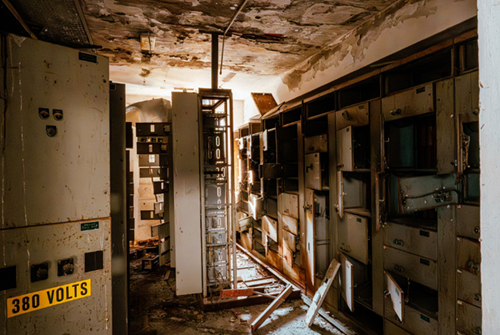
Moisture reaching wiring, breaker panels, or electrical outlets creates serious electrical hazards, including short circuits, damaged appliances, and fire risks.
Standing water near energized wiring presents a significant safety hazard. If flooding or active leaks are present, electrical systems should only be inspected by a qualified electrician.
Common Sources of Water Intrusion in Homes and Buildings
Water can enter properties through dozens of different pathways.
Roof leaks
Roofing systems naturally wear over time.
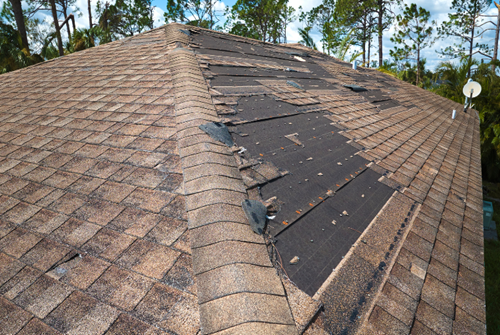
Damaged shingles, missing shingles, deteriorated sealants, and loose flashing allow water to penetrate attics and ceilings during storms.
Often, homeowners don't notice the problem until ceiling discoloration appears indoors.
Foundation and basement leaks
Poor grading, clogged exterior drains, saturated soil, and hydrostatic pressure frequently contribute to basement moisture.
Without properly functioning sump pumps and drainage systems, water continues pressing against foundation walls.
Plumbing failures
Many restoration emergencies begin inside the home.
Common causes include:
- Burst pipes
- Aging supply lines
- Water heaters
- Toilet overflows
- Washing machine failures
- Refrigerator supply lines
- Dishwasher and appliance leaks
Even slow leaks hidden inside walls can cause significant damage before they're discovered.
Window leaks and exterior openings
Improperly sealed windows, deteriorated caulking, siding damage, and exterior cracks all contribute to window leaks and moisture intrusion.
Repeated exposure allows water to soak into the insulation and framing.
HVAC equipment
Many homeowners overlook HVAC equipment.
Condensation drain problems, clogged lines, and improperly maintained systems can continuously release moisture into mechanical rooms, crawl spaces, and basements.
Warning Signs of Water-Related Structural Damage
Early detection makes an enormous difference.
Watch for these warning signs before problems become more expensive.
Visible signs
Some of the easiest indicators include:
- Water stains
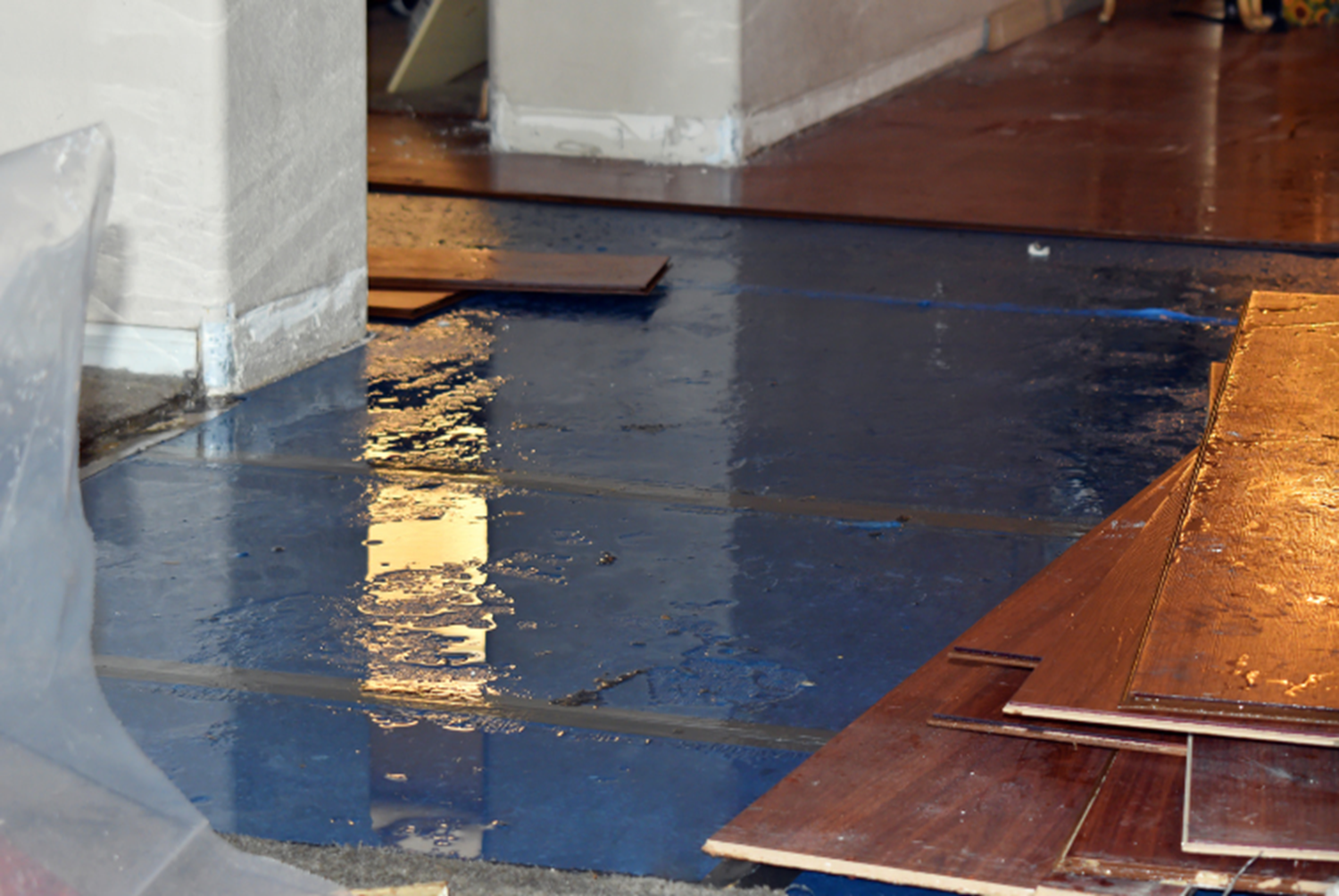
- Warped flooring
- Sagging ceilings
- Bubbling paint
- Soft drywall
- Damaged ceiling tiles
- Visible mold
- Cracked walls
- Foundation cracks
These visible signs often indicate hidden moisture behind finished surfaces.
Hidden warning signs
Not all damage can be seen.
Pay attention to:
- Persistent humidity
- A musty odor
- Floors that feel soft
- Doors that suddenly stick
- Recurring condensation
- Paint repeatedly peeling
- Moisture around electrical outlets
These subtle symptoms often indicate long-term water intrusion.
When small issues become major repairs
Never underestimate a small leak.
Moisture trapped inside walls or beneath flooring continues spreading until drying occurs.
What starts as a minor plumbing drip can eventually require extensive repairs involving framing, insulation, flooring, drywall, and finish materials.
Mold Growth and Health Risks After Water Damage
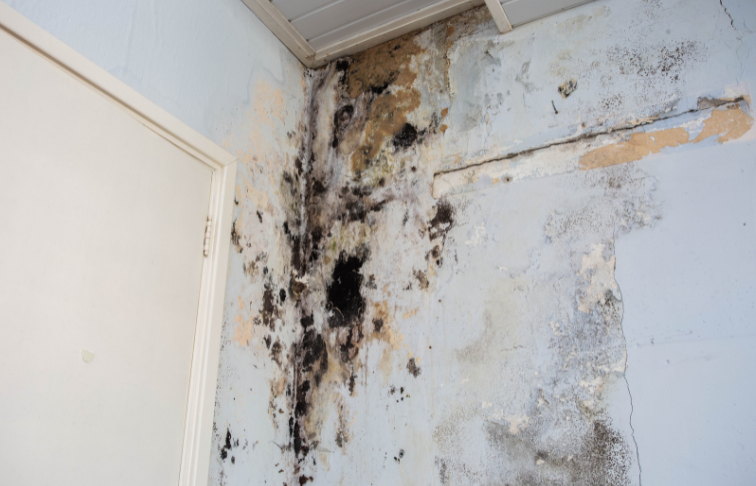
Moisture creates the perfect breeding ground for biological contaminants.
Why mold develops
Whenever damp materials remain wet, they create an ideal environment for mold and mildew growth.
Once colonies become established, mold spores spread throughout the building, affecting nearby materials.
Professional mold remediation may be necessary when contamination becomes widespread.
Health concerns
Mold exposure affects everyone differently.
Some people experience:
- Respiratory problems
- Sneezing
- Eye irritation
- Skin irritation
- Symptoms that trigger allergies
- Other health complications
For sensitive individuals, prolonged exposure may increase overall health risks.
Drying alone isn't enough
Simply removing standing water doesn't eliminate mold.
Affected materials must be properly evaluated, dried, cleaned, and, when necessary, removed to prevent contamination from returning.
How Water Damage Affects Property Value
Water damage doesn't just affect the building itself. It can also influence future resale opportunities.
Buyer concerns
Visible water damage immediately raises questions.
Potential buyers often worry about:
- Hidden structural damage
- Mold
- Foundation movement
- Future repair costs
- Indoor air quality
Even repaired damage may require documentation to reassure buyers.
Commercial properties face additional risks
For commercial buildings and other commercial properties, downtime can become just as expensive as repairs.
Water damage may interrupt operations, damage inventory, affect employees, and require temporary closures.
Quick restoration minimizes business disruption while helping protect the property's long-term value.
Prompt action protects value
One of the smartest investments any owner can make is addressing water damage promptly.
Fast drying, repairs, and moisture control help reduce:
- Extensive damage
- Structural deterioration
- Mold growth
- Repair costs
- Insurance complications
Ultimately, prompt action helps preserve your property value.
What Property Owners Should Do First
When water damage occurs, every hour matters.
Put safety first
Never enter flooded areas where electricity may still be active.
Water around wiring creates dangerous electrical hazards.
If structural components appear compromised or ceilings are sagging, leave the area until professionals determine it's safe.
Stop the water source
If possible:
- Shut off the home's water supply.
- Turn off appliances connected to leaking water lines.
- Inspect visible plumbing.
- Verify sump pumps are operating correctly.
Stopping active water helps reduce additional damage.
Protect your belongings
Move personal belongings, electronics, important documents, and valuables away from wet areas whenever it's safe to do so.
Document everything
Take photographs before cleanup begins.
Detailed records help support insurance claims and provide valuable information during the restoration process.
How Professionals Assess Structural Water Damage
Professional restoration goes far beyond removing standing water.
A complete assessment typically includes:
- Moisture detection
- Thermal imaging
- Structural evaluation
- Inspection behind walls
- Monitoring drying progress
- Identifying materials requiring replacement
Technicians determine which building materials can be restored and which have sustained irreversible damage.
When necessary, restoration also includes demolition, drying, cleaning, sanitizing, reconstruction, and structural repairs to safely restore the property.
How to Reduce Future Water Damage Risks
Prevention remains one of the most cost-effective investments homeowners can make.
Simple maintenance includes:
- Cleaning gutters regularly
- Repairing missing shingles
- Repairing or replacing damaged flashing
- Inspecting window leaks
- Testing sump pumps
- Keeping discharge pipes clear
- Checking water heaters
- Inspecting plumbing for slow leaks
- Maintaining exterior grading
- Monitoring foundation movement
Regular inspections allow small problems to be corrected before they become major restoration projects.
When to Call Keystone State Restoration
Not every water damage problem can be handled with towels and fans. When moisture reaches walls, flooring, or structural materials, professional restoration helps prevent deterioration, mold growth, and costly repairs.
At Keystone State Restoration, we help Johnstown-area homeowners and businesses recover from water damage restoration, mold remediation, fire damage restoration, cleaning, and reconstruction services. We also work with insurance companies to help simplify the claims process.
Fast action can protect your property's structural integrity and reduce repair costs. If your Johnstown home or business has water damage, call Keystone State Restoration today for prompt service.
Conclusion
Water damage is often a silent threat that develops gradually before becoming obvious. Whether it starts with window leaks, aging plumbing, foundation seepage, or severe storms, untreated moisture can compromise structural integrity, damage building materials, create health hazards, and reduce your property's value.
Fortunately, early action makes a significant difference. Learning to recognize the warning signs, maintaining your home, and responding quickly to moisture problems can help prevent far-reaching consequences for both residential and commercial properties.
If you suspect water damage in your Johnstown home or business, don't wait for minor issues to become major structural problems. Prompt inspection and professional restoration can help protect your investment, your family's health, and your peace of mind for years to come.
Frequently Asked Questions
Can a small leak really cause structural damage?
Yes. Even a small leak can saturate wood, insulation, and drywall over time. If left untreated, it may lead to wood rot, mold, weakened framing, and costly structural repairs.
What are the first signs of water-related structural damage?
Common warning signs include water stains, musty odor, bubbling paint, warped flooring, sagging ceilings, visible mold, and foundation cracks.
Is water damage dangerous?
It can be. Water damage may create electrical hazards, weaken structural components, contribute to mold growth, and negatively affect indoor air quality.
How quickly should water damage be repaired?
Immediately. Addressing water damage promptly reduces the likelihood of mold growth, structural deterioration, and more expensive repairs later.
Does homeowners’ insurance cover water damage?
Coverage depends on the cause of the damage. Sudden events like a burst pipe are often covered, while gradual issues such as neglected maintenance or long-term slow leaks may not be. Always review your policy and document damage thoroughly when filing insurance claims.