Water damage is stressful, but not knowing what it will cost can make it even worse. Most homeowners searching how much does water damage restoration cost in Johnstown, PA? are looking for a clear answer, but the reality is that pricing can vary depending on several factors.
If you’re dealing with water damage Johnstown homeowners face after storms, leaks, or burst pipes, understanding what goes into the cost can help you plan ahead, avoid surprises, and make the right decision quickly.
Key Takeaways
- Water damage restoration costs vary based on damage, materials, and response time
- Acting quickly can help reduce repair costs and prevent further damage
- A thorough, professional restoration process protects your home long term
What Is the Average Cost of Water Damage Restoration?
The average cost of water damage restoration can vary quite a bit, depending on the situation. On a national level, small jobs might cost a few hundred dollars, while larger projects involving extensive damage can reach several thousand. Many estimates are calculated per square foot, especially when multiple areas of the home are affected.
What drives that range comes down to the details. The amount of standing water, the type of water involved (clean water, gray water, or more hazardous sources), and how long the issue has been sitting, all play a role.
A minor water leak from a plumbing system is very different from flood cleanup after a river flood or sewage backup. Add in factors like mold growth, structural damage, or the need for structural repairs, and the costs can increase quickly.
Materials also matter. Hardwood floors, drywall, electrical components, and even an air conditioning vent can all be impacted differently depending on how much water they’ve absorbed. In more severe cases, damage restoration may involve removing mold, replacing damaged pipes, or repairing an entire room to bring it back to pre-loss condition.
Because of these variables, most water damage restoration professionals rely on inspections and cost data from real-world projects rather than giving flat rates. It’s also why free quotes tend to fall within a normal range rather than a fixed number.
Those ranges give you a general idea, but what really affects the price is what’s happening inside your home.
Key Factors That Affect Water Damage Restoration Cost
Several factors influence water damage repair costs, and no two situations are exactly the same. The biggest driver is the extent of the damage. If water has only affected a small area, costs stay lower, but when it spreads across multiple rooms or compromises structural integrity, project costs increase quickly.
The type of water involved also plays a major role. Clean water from a minor leak is easier to handle than gray water from appliances or more hazardous sources. As contamination levels rise, so do health risks, which often requires more intensive cleaning, mold remediation, and specialized equipment.
Timing is another critical factor. Long-standing water or prolonged exposure leads to further damage, including mold growth, peeling paint, and weakened materials. Acting quickly can help property owners save money and avoid more complex restoration work.
Materials affected will also impact the total. Drywall repairs, ceiling repairs, damaged appliances, and carpets that soak up water may need to be removed and replaced. In more severe cases, issues like sagging ceilings, water stains, or absorbed water in flooring can require deeper restoration.
Finally, the size of the affected area matters. Larger spaces require more labor cost, advanced equipment, and time to complete the water extraction and drying process.
Once you understand what affects the cost, it’s easier to see how the process itself plays a role in pricing.
Does Insurance Cover Water Damage Restoration?
Insurance is one of the first things most homeowners think about, and coverage often depends on how the damage happened. In general, sudden and accidental issues, like burst pipes, broken pipes, or storm-related damage, are more likely to be covered by homeowners' insurance.
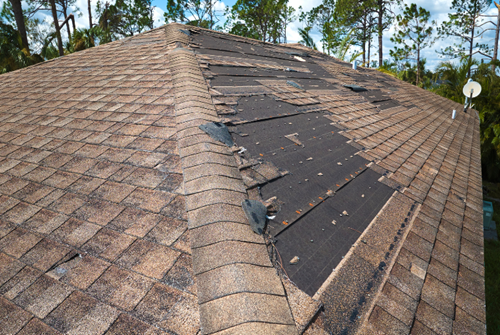
On the other hand, problems caused by poor maintenance, long-term leaks, or slow damage from a leaky roof or leaky plumbing are usually not covered. Many insurance companies view these as preventable, which can leave property owners responsible for the repair costs.
Documentation plays a big role in the process. A detailed inspection, clear records of the damage, and proper reporting can help your insurance company understand what happened and move your claim forward more smoothly. This is especially important when multiple areas or systems are affected.
Insurance can help, but there are still ways to keep your costs as low as possible.
How to Keep Water Damage Restoration Costs Down
Acting quickly is one of the most effective ways to control water damage restoration costs. The longer water sits, the more it spreads, which leads to further damage, higher labor costs, and more complex repairs. A fast response helps limit the affected area and keeps the restoration process more manageable.
If it’s safe to do so, shutting off the water source, whether it’s a water leak, broken pipes, or an issue with your plumbing system, can prevent the problem from getting worse. From there, calling a water damage restoration professional early allows for faster water removal and reduces the risk of mold growth.
Trying to handle more than minor cleanup on your own can backfire. Without the right equipment, it’s easy to miss hidden moisture, which can lead to bigger repair costs later. Bringing in professionals early often helps property owners save money by avoiding repeated work or additional damage.
At this point, you have a better idea of what to expect. Now let’s bring it all together.
What Matters Most When Evaluating Cost
Cost is important, but it shouldn’t be the only factor driving your decision. The cheapest option often leads to incomplete work, which can result in mold growth, hidden damage, and higher repair costs later on.
A thorough restoration process—one that fully handles water removal, drying, and repairs—is what protects your property long term. Cutting corners early can impact structural integrity and lead to ongoing issues that cost more to fix down the line.
The right approach focuses on doing the job correctly from the start, so you’re not dealing with the same problem again later.
Clear Answers When You Need Them Most
If you’re dealing with water damage and need a clear understanding of cost, reach out to Keystone Restoration Johnstown. We’ll walk you through your situation, explain your options, and help you move forward without the guesswork.
From water extraction and mold remediation to structural repairs, drywall repairs, contractor work, and more, we handle the full restoration process so you’re not left piecing it together on your own.
Message us today!
Conclusion
Water damage comes with enough uncertainty; you shouldn’t have to guess what it’s going to cost or how the process works. While pricing can vary based on the situation, knowing what factors to look at helps you stay in control and avoid unnecessary expenses.
The key is acting quickly, choosing a company that follows a thorough restoration process, and making sure everything is handled properly from the start. That’s what helps protect your property and keeps small problems from turning into bigger ones.
Frequently Asked Questions
How much does flood cleanup cost in Johnstown?
Flood cleanup costs can vary depending on the amount of water, contamination level, and size of the affected area. Larger or more hazardous situations typically lead to higher costs.
Is mold remediation included in water damage restoration?
In many cases, yes. If mold growth is present or likely, mold remediation is often part of the restoration process to prevent further damage and health risks.
What is the average cost of water damage restoration?
The average cost can range widely based on factors like the extent of damage, materials affected, and how quickly the issue is addressed.
Can I save money by handling water damage myself?
Minor issues might be manageable, but larger problems usually require professional equipment and expertise. DIY mistakes can lead to higher repair costs later.