Sleet on Monday, sun by Thursday—Johnstown weather is tough on decking, so smart deck maintenance tips for Johnstown weather start with a simple season-by-season plan to keep your deck safe, sturdy, and great-looking year after year.
Key Takeaways
- Johnstown’s freeze–thaw and heavy moisture demand a season-by-season plan: quick inspections, clear drainage, and timely UV protection to keep your deck strong and safe.
- Gentle beats aggressive: prioritize deep cleaning with low-pressure, composite-safe cleaners, and plastic shovels for ice removal. Skip harsh chemicals that shorten a finish’s life.
- Fix small issues fast: DIY basic repairs like tightening fasteners or swapping a loose board, but call a pro for soft spots, wobbly rails, or multiple damaged boards, even on composite decking.
Why Maintenance in Johnstown Is Different
Johnstown’s mix of heavy precipitation and long winters puts nonstop stress on every deck surface, from wood fibers and fasteners to stains and sealers, so keeping a well-maintained deck here isn’t optional; it’s smart insurance for your outdoor space.
Moisture and snow = movement
With ~48" of precipitation and recurring snow and ice, boards swell, contract, and loosen; expect loose boards, loose nails, and fastener creep on a wood deck, vinyl decks, and even composite decking (composite materials still expand/contract).
Regular checks keep the deck structurally sound and help protect your deck for the long haul.
Freeze–thaw fatigue
Repeated freezing and thawing accelerate micro-cracks along the wood grain and at hardware interfaces, shortening a deck’s life if ignored; plan routine cleaning, tighten hardware, and reseal exposed cuts with a waterproof sealant before the winter season.
UV and standing water are quiet killers
Summer UV rays fade a deck’s finish while puddles from improper drainage invite mold growth. Keep gaps clear of leaves and other debris, adjust planters that trap moisture, and add protective coatings per the manufacturer's instructions to keep your deck looking its best.
Winter practices matter
For winter deck protection, use a plastic shovel (never a metal shovel), avoid rock salt/ice melt on the deck, and favor gentle snow removal with the board direction to prevent gouges and ice buildup. If you must de-ice nearby, keep chemicals off the decking material.
Clean smart, not harsh
Use a quality deck cleaner or approved cleaning solutions; skip harsh chemicals and high-PSI power washing that can scar deck boards. For tough stains or extensive damage, seek professional help for basic repairs, minor repairs, or a fresh coat finish so your deck remains in tip-top shape year-round.
Housekeeping that pays off
Trim nearby trees/overhanging branches, secure deck furniture ahead of storms, and regularly inspect decks in the winter months and after heavy rains; small adjustments now prevent serious damage later and keep your deck ready for every season.
Quick Climate Snapshot: What Your Deck Faces
Johnstown’s four-season swings challenge even the toughest wooden decks, and smart timing is the key to keeping your structure strong year-round.
Winter weather dominates for nearly half the year
Snow typically starts around mid-November and lingers into April, with heavy accumulations in mid-winter. Plan ice removal and snow blower use carefully. Avoid gouging boards, and watch for melting snow that seeps into cracks and freezes again, leading to winter damage.
Moisture is constant, even when it’s not snowing
Freeze–thaw cycles cause moisture buildup beneath the surface, which can expand small cracks into damaged boards over time. Keep up with regular maintenance and inspect after each major storm.
Summer brings sun and stress
Long days mean strong sun exposure that dries finishes and fades stains. A midseason deep cleaning followed by a UV-protective seal helps your deck handle the heat.
June is the rain wildcard
With some of the heaviest rainfall of the year, June’s harsh weather conditions can delay stain or sealant projects. Schedule thorough cleaning or coating work outside the wettest weeks whenever possible.
Don’t forget the details
Move outdoor furniture occasionally to avoid trapped moisture, and use a gentle pressure washer only when necessary to lift dirt; too much pressure can strip protective finishes and shorten your deck’s life.
Spring (Reset After Winter)
As the freeze gives way to thaw, spring is your catch-up season—time to undo winter’s stress and set up your deck for heavy use. Focus on safety first, then cleanliness, then protection.
Inspect the structure
Check posts, footings, ledger flashing, and guards/rails; look for heaving, soft spots, rusted connectors, lifted fasteners, loose stairs, and any movement at the ledger.
Deep clean, then let it dry
Use a gentle deck wash (not high-PSI blasting) and a soft brush to lift grime, pollen, and mildew; rinse well and allow about 48 hours of dry weather before any coating.
Seal or stain (wood decks)
Choose a mild, rain-free window (ideally 24–48 hours dry after application) and hit end grains, cut edges, and high-traffic paths to lock out moisture and UV.
Summer (UV & Use Management)
Summer is when your deck sees the most activity—and the most stress. Between heat, foot traffic, and sun exposure, this is the time to preserve both appearance and structure.
Block UV before it fades finishes.
If your stain or seal looks dull, refresh it with a UV-protective coat. Move rugs, planters, and outdoor furniture occasionally to prevent moisture from getting trapped beneath them.
Check hardware and surfaces.
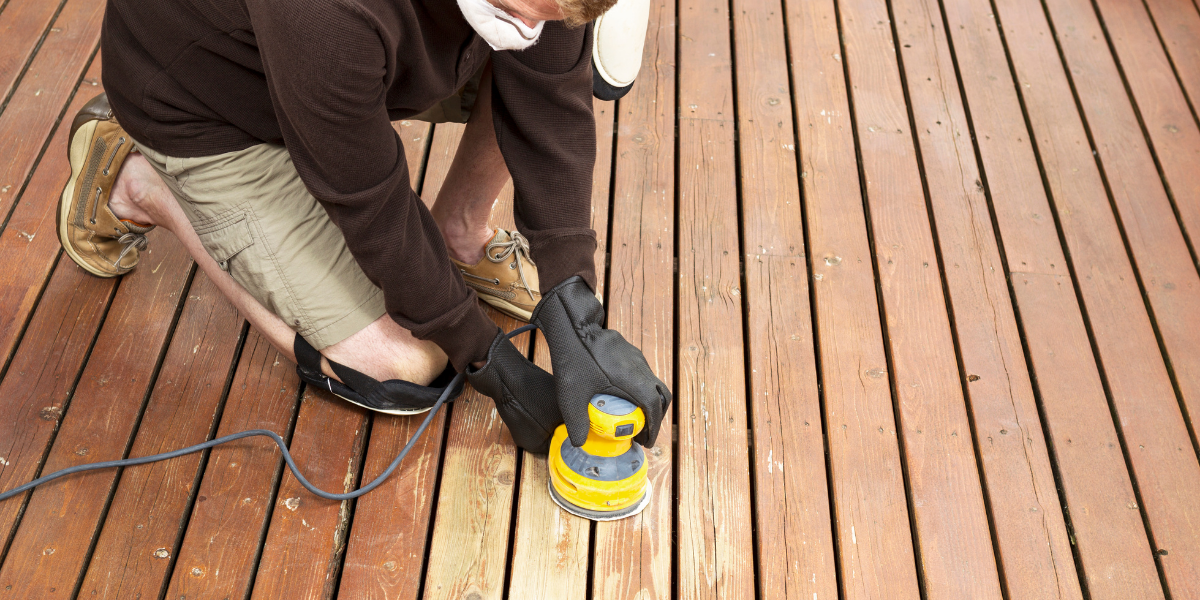
Expansion from heat can loosen screws and bolts. Tighten all fasteners, replace loose boards, and sand splinters or raised grain along traffic paths for safety and comfort.
Test for water resistance.
Sprinkle water over the boards. If it soaks in rather than beads up, it’s time to reseal. Aim for a mild late summer or early fall window before cooler nights return.
Fall (Prep for Freeze–Thaw)
As temps dip and storms roll through, fall is your last best window to clear moisture traps, touch up finishes, and set the deck up to handle repeated freezing and thawing.
Clear leaves and clean gutters.
Sweep debris from boards and gaps, clear stair treads, and make sure downspouts move water away from posts to prevent pooling and rot.
Use the final coat window.
If protection is fading, apply stain or sealer during a mild spell with a 24–48 hour rain-free forecast and moderate temperatures.
Watch plants and pests.
Trim back overhanging branches, lift planters on risers to avoid trapped moisture, and check for nuisance pests (e.g., sticky residues from spotted lanternfly activity) that can invite mold and grime.
Winter (Protect, Don’t Punish)
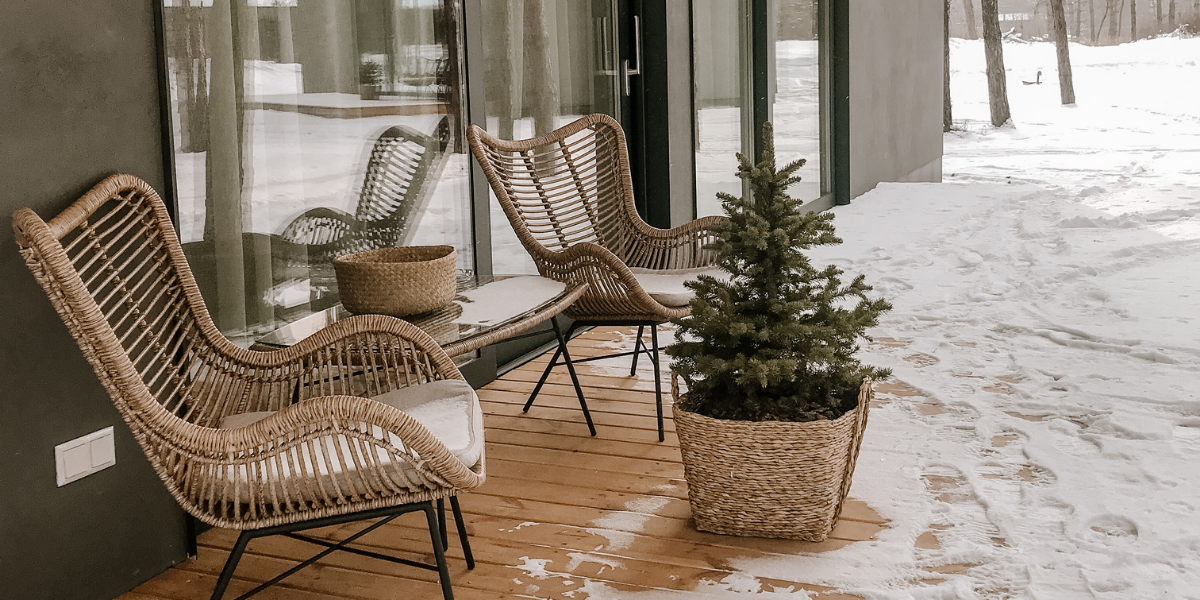
Cold snaps and thaw cycles are tough on decks, so focus on gentle care that prevents damage instead of causing it.
Clear snow the right way.
Use a plastic shovel and push with the grain of the boards; avoid metal shovels and snow blower skids that can gouge surfaces or loosen fasteners.
Be cautious with de-icers.
Keep salts/ice melt off wood; choose deck-safe products for nearby walkways and limit splash onto the deck to protect finishes and hardware.
Spot-check after thaws.
Look for movement at posts, stair stringers, and guards; note any heaving, lifted fasteners, or pooling water so you can address issues before they become repairs in spring.
What Shortens Deck Life (and How to Avoid It)
Most decks don’t fail overnight; it’s small habits that quietly wear them down. Paying attention to moisture, maintenance cycles, and cleaning methods keeps your investment solid for decades.
Trapped moisture is the silent enemy.
Rugs, planters without risers, and clogged gaps between deck boards trap water, leading to mold growth, discoloration, and soft spots. Lift accessories periodically and maintain proper drainage to keep airflow moving.
Power-washing gone wrong.
A pressure washer can help, but high PSI or narrow nozzles strip finishes and damage wood fibers. Use low pressure, a wide fan tip, and gentle, consistent passes with the grain for safe cleaning.
Skipping the reseal cycle.
Wooden decks need resealing every one to three years. When UV rays and water go unchecked, the surface dries, cracks, and absorbs moisture, which will eventually cause checking, rot, and structural weakness.
Ignoring small fixes.
Loose boards, loose nails, or damaged boards might seem minor, but movement spreads stress across the deck. Handle minor repairs early to prevent serious damage and extend your deck’s life.
DIY vs. Pro: When to Call for Backup
Some deck maintenance tasks are weekend projects; others call for professional tools and expertise to keep your structure safe. Knowing the difference protects both your deck and your budget.
DIY-friendly tasks: Routine cleaning, applying a simple reseal, tightening loose boards, replacing surface screws, or washing away mildew with a gentle cleaner are great for hands-on homeowners.
Pro-worthy repairs: Call a professional contractor if you notice structural movement, soft posts, shifting stairs, ledger or flashing damage, or failing guard rails. Also, bring in help for stubborn coating problems, extensive damage, or moisture issues you can’t trace.
Professionals can spot hidden rot, check fastener corrosion, and ensure the deck remains structurally sound and code-compliant, so your well-maintained deck stays safe through every season.
Get Ready for a Season-Proof Deck
If your checklist turned up issues or you’d rather have a pro keep your deck in top shape, Keystone State Restoration can help. From safety inspections and minor fixes to full resurfacing and upgrades, our local team coordinates timing around Johnstown’s weather so your deck looks great and lasts longer.
Contact us for a no-pressure deck assessment and maintenance plan tailored to your home and season.
Conclusion
Johnstown’s climate rewards steady, simple habits. Work the season plan, keep water moving off the boards, refresh UV protection on schedule, and treat snow removal as gentle maintenance, not a battle. Skip harsh cleaners and high PSI, fix small looseness as soon as you see it, and document any changes after big storms.
With that rhythm, your deck stays safe, looks good, and holds up through every freeze, thaw, and sunny stretch.
Frequently Asked Questions
Is composite decking really low-maintenance in Johnstown, and how do you keep your deck looking great year-round?
Composite decking shrugs off rot and insects, but it still expands and contracts, collects grime, and fades without UV protection. Sweep weekly, clean quarterly with a composite-safe wash, keep gaps clear for drainage, and refresh UV protectant as the finish dulls.
What deep cleaning routine should I use to keep your deck safe after harsh weather conditions?
Start with a sweep and a gentle rinse. Apply a quality deck cleaner, agitate with a soft brush, and rinse thoroughly. Skip high-PSI settings and narrow tips that scar boards. Let the surface dry 24–48 hours before sealing or staining.
Which basic repairs can I DIY, and when do damaged boards mean it’s time to call a pro?
Basic repairs include tightening fasteners, replacing surface screws, sanding splinters, and swapping a single loose board. Call a pro if you see soft spots, widespread cupping, ledger or flashing issues, wobbly rails or stairs, or multiple damaged boards that suggest structural stress.
What’s the right ice removal approach for decks, including composite, in mid-winter?
Use a plastic shovel and push in the direction of the board. Avoid rock salt on wood and minimize chemical de-icers near any deck surface. Clear light snow early and often, so it doesn’t compact into ice, and inspect fasteners after major thaws.