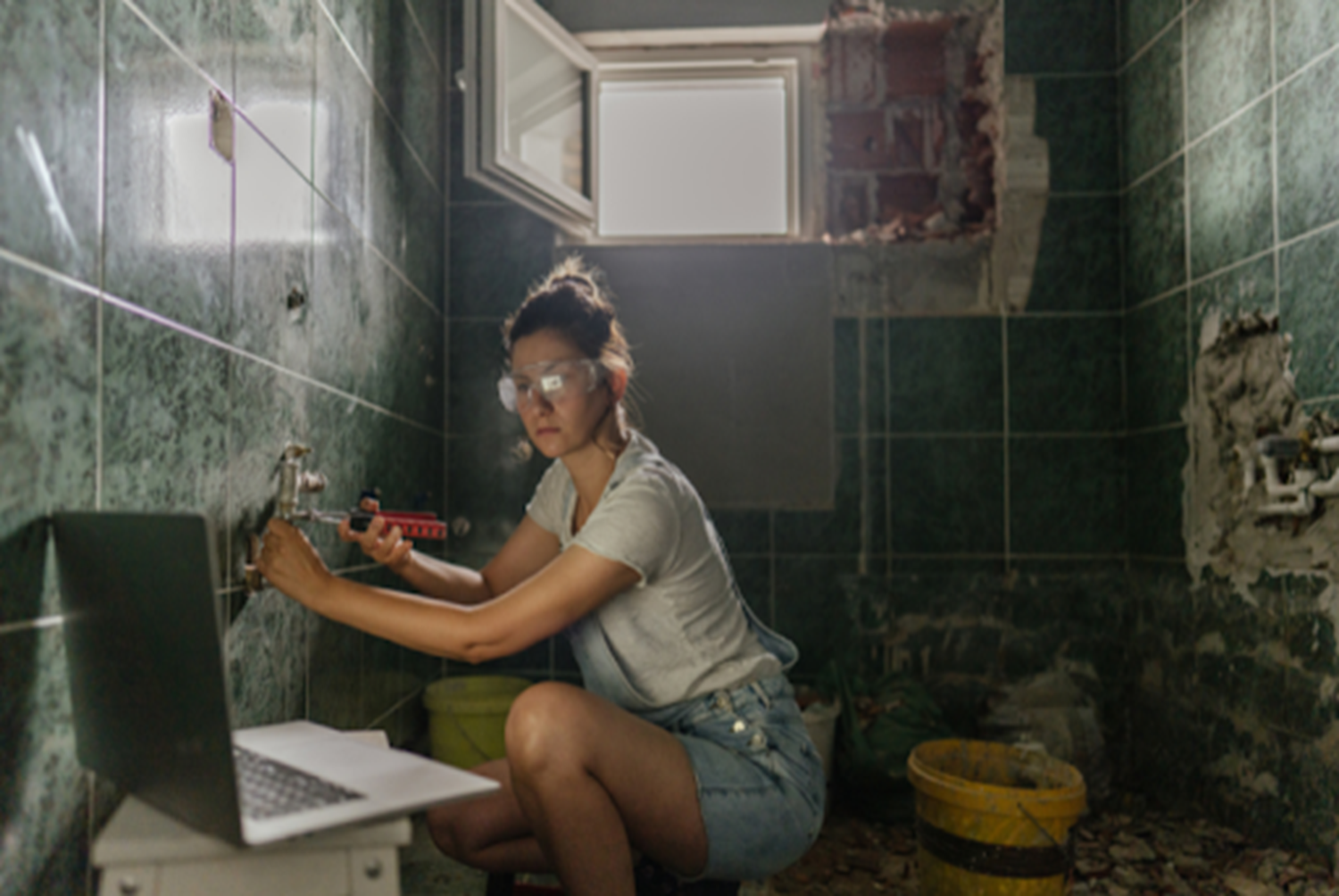
One of the first questions many homeowners ask after a leak or flood is, “Can you DIY water damage cleanup or should you call a professional?” With a burst pipe, a broken supply line, an overflowing washing machine, or a roof leak, it is natural to want to handle the cleanup yourself and save money.
DIY water damage cleanup may be enough when the water is clean, the area is small, and you act quickly. But visible water is often only part of the problem. With water damage Johnstown homeowners face, moisture can remain inside wall cavities, beneath flooring, and within building materials, leading to mold growth, structural damage, and costly repairs.
This guide explains when DIY cleanup is reasonable, when to call a professional, and how acting early can protect your home, health, and investment.
Key Takeaways
- DIY cleanup may work for small, clean-water incidents handled immediately.
- Hidden moisture, contamination, mold, and structural concerns require professional restoration.
- Fast action helps limit damage, protect building materials, and reduce repair costs.
Assess the Damage Before You Start Cleaning
Before starting cleanup, assess the amount and source of the water, how long it has been present, and which materials are affected. These factors determine whether DIY cleanup is enough or professional restoration is needed.
How much water is present?
A small puddle from an appliance leak is very different from several inches of standing water covering a room.
If water is confined to a small area and hasn't spread beyond the surface, cleanup may be manageable. However, larger water losses can quickly soak into flooring, drywall, insulation, and other porous materials, making the restoration process much more involved.
The more water there is, the greater the chance of further damage if it's not removed quickly.
Where did the water come from?
The source of the water matters just as much as the amount.
Clean water from a broken supply line or overflowing sink is generally safer to handle than contaminated water from sewage backups, storm flooding, or appliance discharge. Water from these sources may contain bacteria, chemicals, or other contaminants that create serious health risks.
If you're unsure where the water came from, it's safest to avoid direct contact and seek professional help.
How long has the area been wet?
Time is critical after water damage.
The longer moisture remains inside your home, the more likely it is to affect building materials, encourage mold spores to grow, and weaken your home's structural integrity. Even if the area doesn't look badly damaged, delaying the cleanup process can increase repair costs.
Acting quickly gives you the best chance of limiting secondary damage.
What materials are affected?
Some surfaces are much easier to dry than others.
Tile and sealed concrete typically resist moisture better than hardwood floors, carpet, drywall, insulation, and other porous materials. These absorb water quickly and can hold trapped moisture long after the surface appears dry.
If water has soaked into these materials, surface drying alone is rarely enough.
When DIY Water Damage Cleanup May Be Enough
Not every leak requires a full water damage restoration service. In some situations, DIY efforts can successfully limit damage—provided the problem is small, the water is clean, and cleanup begins right away.
Small clean-water incidents
Minor water damage from a sink overflow, refrigerator line, or small appliance leak can often be handled without professional intervention.
These situations are generally manageable if the affected area is limited, there are no electrical hazards, and water hasn't spread into walls, flooring, or other concealed spaces.
Water is limited to nonporous surfaces
If water remains on tile, sealed concrete, or certain vinyl floors, homeowners may be able to remove it using towels, a mop, or a wet-dry vacuum.
After removing the water, use fans and a dehumidifier to begin the drying process. Good airflow helps reduce moisture on exposed surfaces, although it may not reach water hidden inside structural materials.
You can monitor the area
Cleaning up the initial spill is only part of the job.
Over the next several days, continue checking for damp spots, musty odors, discoloration, warped flooring, or other signs that moisture remains. Some forms of hidden damage are not immediately visible, so monitoring the area is just as important as the initial cleanup.
If new signs of water damage appear, it's time to consider professional restoration.
Safe Steps You Can Take Before Help Arrives
Even if you plan to call a restoration company, there are a few steps you can safely take to reduce damage while waiting for a professional team to arrive.
Stop the water source
If the problem is caused by a leaking appliance or broken supply line, shut off the nearest water valve or your home's main water supply if it's safe to do so.
Never enter wet areas if water has reached outlets, wiring, or other electrical systems.
Document the damage
Before moving belongings or starting cleanup, take photos and videos of the affected areas.
Good documentation can help your insurance company and insurance adjuster understand the extent of the damage and support your insurance claim.
Move dry belongings to a safe area
Remove furniture, electronics, rugs, and valuables from the affected areas whenever possible.
If contamination is suspected, avoid carrying wet items through clean parts of the home to reduce the spread of bacteria or debris.
Remove small amounts of clean water
If the water is shallow and comes from a clean source, you can begin removing it using towels, mops, or a wet-dry vacuum.
Avoid using a standard household vacuum on wet floors, and don't assume that removing visible water means the area is fully dry. Moisture often remains beneath the surface, requiring more than basic DIY water cleanup to prevent future problems.
When It's Time to Call a Professional
Some water damage is beyond DIY cleanup. If water has spread into your home's structure, involves contaminated water, or creates safety hazards, calling a professional early can help prevent more extensive repairs.
Large water losses
A burst pipe, failed water heater, or major appliance leak can release a significant amount of water in a short time. Even after standing water is removed, moisture may remain inside floors, walls, and other building materials.
Professional water extraction and structural drying help remove moisture before it leads to further damage.
Sewage backups or contaminated water
Water from sewage backups, storm flooding, or other sources of contaminated water should never be treated as a DIY project.
This type of water can contain bacteria, viruses, chemicals, and other contaminants that pose serious health risks. Proper safety equipment, cleaning methods, and disposal procedures are essential to protect your home and your family.
Water has reached walls, ceilings, or floors
Water often travels farther than expected. If it has soaked into drywall, ceilings, insulation, or hardwood floors, simply drying the surface won't solve the problem.
Moisture trapped inside wall cavities or beneath flooring can weaken building materials, increase the risk of structural deterioration, and create ideal conditions for mold growth.
Multiple rooms are affected
When water spreads beyond one room, the cleanup becomes much more complex. Drying several affected areas with household fans can take days and often isn't enough to remove moisture hidden throughout the home.
A professional team can begin the restoration process immediately using equipment designed to dry large areas more efficiently.
Electrical or structural safety concerns
If water has reached electrical systems, outlets, appliances, or your breaker panel, stay out of the area until it's safe. Likewise, sagging ceilings, warped floors, or signs of structural damage should always be evaluated by restoration professionals before cleanup begins.
Mold is already developing
If you notice musty odors, discoloration, or visible mold growth, the damage has likely progressed beyond basic cleanup.
Disturbing mold without the right procedures can release mold spores into the air and spread contamination throughout the home.
What DIY Cleanup Often Misses
One of the biggest misconceptions about DIY water damage restoration is that removing visible water means the job is finished. In reality, water often reaches places that aren't immediately visible.
Hidden moisture inside the structure
Water can travel behind baseboards, beneath cabinets, and deep inside wall cavities without leaving obvious signs.
Over time, this hidden moisture can damage drywall, insulation, framing, and other structural components long before stains or odors appear.
Moisture beneath flooring
Even if your floors look dry, water may still be trapped underneath.
Hardwood floors can cup, warp, or separate as moisture remains below the surface. Vinyl, laminate, carpet, and subflooring can also retain moisture that household fans cannot fully remove.
Saturated building materials
Drywall, insulation, wood framing, and other porous materials absorb water quickly.
Without proper drying, these materials can remain damp for days, increasing the likelihood of secondary damage, structural deterioration, and mold.
Why Professional Equipment Makes a Difference
Professional water damage restoration is about more than removing water. It's about finding moisture you can't see and drying the structure completely.
Moisture meters find what you can't see
Professional moisture meters measure moisture levels inside drywall, wood, concrete, and other building materials.
Instead of guessing whether something is dry, restoration professionals use readings to determine when materials have reached acceptable moisture levels.
Thermal imaging cameras help locate hidden damage
Thermal imaging cameras help identify temperature differences that may indicate hidden moisture behind walls, under floors, or above ceilings.
Combined with professional moisture meters, they allow technicians to locate wet areas without unnecessary demolition.
Commercial drying equipment works faster
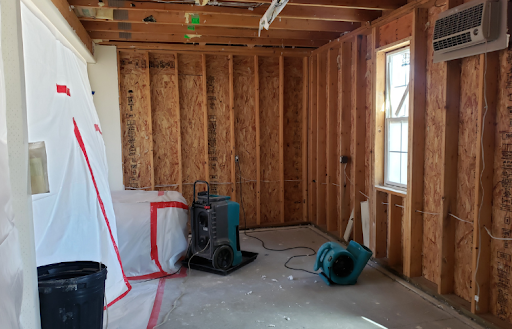
Professional restoration companies use commercial-grade air movers, industrial dehumidifiers, and other industrial-grade equipment that remove moisture much faster than household fans.
These tools work together throughout the drying process to improve airflow, lower humidity, and support structural drying.
Thorough water extraction matters
Removing standing water is only the beginning.
Professional-grade extraction equipment removes far more water than towels, mops, or consumer wet vacuums. More complete water extraction helps shorten drying time and reduces the risk of further damage.
Common DIY Water Damage Mistakes
Many homeowners attempt DIY water damage cleanup with good intentions. Unfortunately, a few common mistakes can make the damage worse.
Assuming the surface is dry
One of the biggest mistakes is relying on surface drying alone.
A floor or wall may feel dry to the touch while trapped moisture remains inside. Without moisture testing, it's impossible to know whether the structure has dried completely.
Waiting too long to start cleanup
Every hour matters after water damage occurs.
The longer water remains inside your home, the more likely it is to affect porous materials, increase moisture levels, and encourage mold growth.
Using household fans alone
Fans improve air circulation, but they don't remove enough moisture from the air to dry saturated materials effectively.
Professional air movers work alongside dehumidifiers to remove moisture from both the structure and the surrounding air.
Cleaning contaminated water yourself
Attempting DIY cleanup after sewage backups or floodwater exposure creates unnecessary safety hazards.
Without the right professional equipment and cleaning procedures, contaminants may remain even after the area appears clean.
Forgetting to document the damage
Many homeowners begin cleaning immediately without taking photos.
Documenting the damage before starting the cleanup process can make it easier to work with your insurance company and support your insurance claim if repairs are covered.
DIY vs. Professional Water Damage Restoration
The right approach depends on the source of the water, the extent of the damage, and how quickly you can respond. While DIY water damage restoration may work for a small, clean-water incident, larger or more complex losses are best left to trained restoration professionals.
When DIY cleanup makes sense
A DIY water damage cleanup may be appropriate if:
- The water came from a clean source, such as a broken supply line.
- The affected area is small and easy to access.
- Cleanup begins immediately.
- Water has not reached walls, insulation, ceilings, or flooring systems.
- There are no electrical hazards, safety concerns, or signs of mold growth.
Even then, continue monitoring the area over the next few days. If you notice musty odors, damp surfaces, or new signs of damage, it's time to seek professional help.
When professional restoration is the better choice
Professional water damage restoration is recommended when:
- Water has spread into multiple rooms.
- There is significant standing water.
- The source is contaminated water or sewage backups.
- Structural damage or electrical systems may be affected.
- Hidden moisture is suspected.
- The water has been sitting for more than 24 hours.
- Mold or musty odors have already developed.
Calling a restoration company early can often reduce secondary damage, shorten the drying timeline, and help protect your home's structural integrity.
Professional Restoration Can Support Your Insurance Claim
Water damage is stressful enough without navigating an insurance claim alone. Proper documentation from the beginning can make the process much smoother.
Documenting the damage
Before cleanup begins, restoration professionals document the affected areas with photos, moisture readings, and detailed notes. This creates a clear record of the damage and the work required to restore the property.
Tracking the drying process
Throughout the project, technicians monitor moisture levels using professional moisture meters to confirm that affected materials are drying properly.
These records help demonstrate that the restoration process followed industry standards and may be useful if your insurance company or insurance adjuster requests additional documentation.
Helping simplify the process
While every policy is different, an experienced restoration company can work alongside your insurance carrier by providing estimates, photos, and drying documentation. This helps keep everyone informed and supports a smoother claims process without making promises about insurance coverage or claim approval.
Choosing the Right Water Damage Restoration Company
Not all restoration companies offer the same level of service. Choosing the right one can make a significant difference in both the restoration process and your overall experience.
Look for emergency response
Water damage doesn't wait, and neither should your restoration company. Choose a provider that offers prompt emergency response so water extraction and drying can begin as quickly as possible.
Ask about moisture detection
Removing visible water is only one part of the job. Ask how the company identifies hidden damage and monitors moisture levels throughout the drying process.
Companies that use thermal imaging cameras, professional moisture meters, and other specialized equipment can more accurately identify areas that need attention.
Choose a full-service restoration company
Working with one company from emergency cleanup through repairs can simplify the recovery process.
Look for a provider that offers water mitigation, structural drying, mold remediation, cleaning, repairs, and reconstruction so you don't have to coordinate multiple contractors.
Experience matters
Water damage restoration requires technical knowledge, proper equipment, and proven procedures. An experienced professional team can identify problems early, recommend the right solutions, and help minimize disruption to your home.
Water Damage Restoration You Can Trust
When water damage goes beyond a simple cleanup, you need more than water removal—you need a team that can restore your property from start to finish.
Since 1998, Keystone State Restoration has helped homeowners, landlords, and property managers across Central and Western Pennsylvania recover from water damage. Our services include water damage restoration, mold remediation, cleaning, roofing, fire damage restoration, and reconstruction, giving you one trusted team for every stage of recovery.
If your home or business has water damage, call Keystone State Restoration today for fast, professional restoration services.
Conclusion
So, can you DIY water damage cleanup or should you call a professional?
Small, clean-water spills may be manageable if addressed immediately. But if water has reached walls, flooring, insulation, or multiple rooms, or involves contamination, mold, or safety hazards, professional restoration is the safer choice.
Acting quickly helps prevent hidden moisture, structural damage, and more costly repairs. When in doubt, have the damage evaluated before a small problem becomes a larger one.
Frequently Asked Questions
How quickly can mold grow after water damage?
Mold can begin growing within 24 to 48 hours, especially when moisture remains inside walls, flooring, or other porous materials.
Does homeowners insurance cover water damage?
Coverage depends on the cause and your policy. Sudden leaks may be covered, while flooding and long-term neglect often are not.
How do you know when water damage is fully dry?
A surface may feel dry while moisture remains underneath. Moisture meters and thermal imaging can help confirm whether affected materials are fully dry.