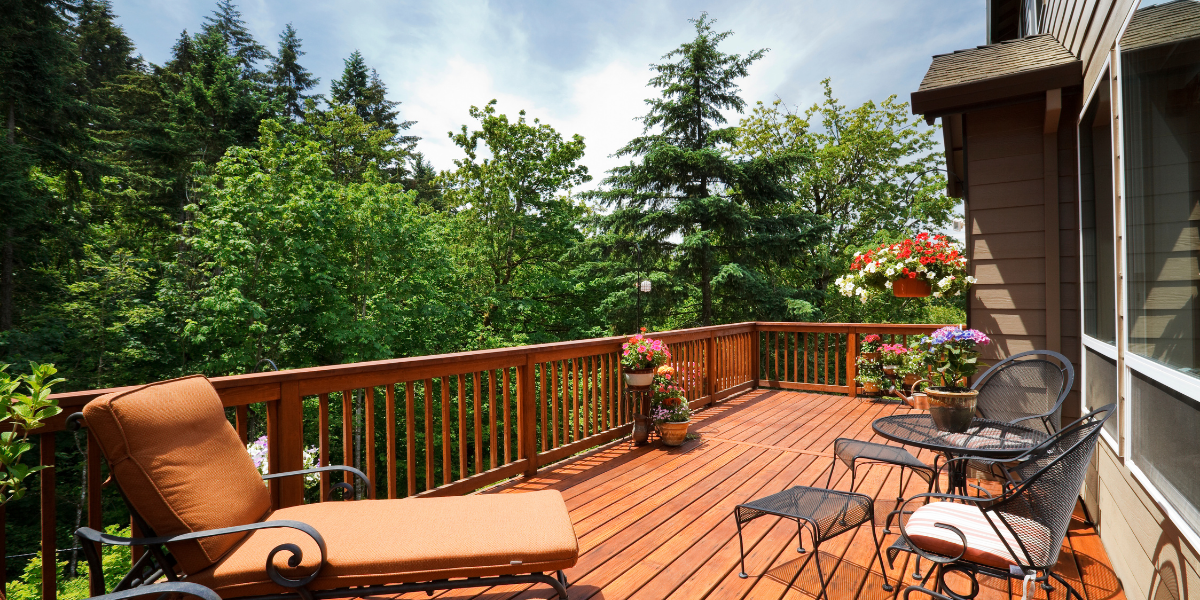
Decking in Johnstown takes a beating from freeze-thaw cycles, heavy snow, and moisture.
Permits are required for most residential deck work in the City of Johnstown under Pennsylvania’s Uniform Construction Code, and spotting the early signs that it's time to replace your deck in Johnstown, PA helps you plan smart.
Key Takeaways
- Multiple structural issues at once—soft boards, wobbly railings, ledger rot—mean it’s time to plan a full replacement
- Frost heave, uneven framing, and recurring moisture damage signal problems a patch won’t fix
- A rebuild lets you meet current code, choose better materials, and cut maintenance for years
1. Structural Red Flags You Can’t Ignore
A deck should feel solid underfoot. If your current deck feels bouncy or you notice soft, spongy spots in deck boards or framing, that’s a red flag. Widespread rot, splintered boards, cracked surfaces, or stains that hint at water damage point to problems below the deck’s surface.
At this point, repair after repair can hide internal damage in joists and support beams, and the safe choice is to start planning a deck replacement project.
Posts or beams with rot, insect damage, or splitting
Rotting wood around posts, beams, or stair stringers shortens lifespan fast. Carpenter bees and termite damage can tunnel through wood and pressure-treated lumber, leaving cavities you can’t see.
If you can press a screwdriver into pressure-treated wood with little effort, it needs to be replaced. Add rusted nails or stripped screws, and you’re dealing with a structure that may not hold up through another winter in Johnstown.
Wobbly railings, loose or corroded fasteners, and ledger board decay
Unstable railings and wobbly railings are more than cosmetic. Loose brackets, rusted hardware, and decay at the ledger where the deck ties into the house undermine structural integrity.
If the ledger has rot or failed flashing, water can reach framing members and spread rot across an entire deck. That puts homeowners, guests, and your outdoor space at risk.
Why replacement beats patching when multiple elements fail
Spot fixes work when damage is isolated and the rest of the structure is in good shape. When multiple red flags stack up across a wooden deck or wood deck, a full replacement is the best course. Here’s why:
- Safety: Compromised posts, beams, and joists can’t be brought back to original strength with piecemeal repairs.
- Cost in the long run: Stop repairing the same issues line after line. Replacing aging materials lets you start fresh with pressure-treated wood or composite decking that fits your personal preference.
- Code and quality: A brand-new deck lets you update deck railings, posts, and fasteners to current standards, so the structure can handle load and weather.
- Options: A new deck is a chance to re-deck with materials that match how you use the space, from low-maintenance composite decking to a custom deck layout that fits your backyard.
If you’re seeing signs your deck needs more than a quick fix, get honest advice. Walk the structure and note soft spots, unstable railings, rusted nails, and any areas that feel bouncy.
When multiple components show rot, water damage, or insect activity, replacement protects your house and gives you a well-maintained, high-quality build that’s made to last. That’s how you replace your deck once and avoid the cycle of constant deck repair.
2. Sagging, Heaving, or Uneven Surfaces
Freeze-thaw cycles in Western PA can push footings up and drop them back down. That movement twists the framing and leaves the walking surface uneven. If your deck feels wavy or you spot gaps that grow and shrink over the season, frost heave is likely at play.
Frost heave and ground movement
Soils here hold moisture. When temperatures swing, that moisture expands and contracts. Posts shift, beams tilt, and fasteners loosen. Over time, repeated movement invites water in, and wood rot follows.
Joists out of plane, trip hazards, boards cupping or crowning
Look along the deck surface from the side. If joists are out of plane, the line should look jagged instead of straight. Cupped or crowned boards trap water and speed up decay. That creates trip hazards and accelerates wear, even with regular maintenance.
When movement points to foundation or framing failure
A single low spot near the stairs might be repairable. Pervasive sags across several bays, leaning posts, or a ledger pulling from the house point to footing or framing failure. At that point, patching boards will not solve the root problem.
A full rebuild lets you reset footings to proper depth, replace compromised members, and create a stable structure. It is often the smarter path to a brand-new deck that drains correctly and resists future heave.
If you see widespread unevenness, document the high and low points, check post plumb lines, and probe for soft areas. Consistent movement plus signs of water intrusion or wood rot is your cue to stop patching and plan a full replacement.
3. Widespread Moisture and UV Damage
Sun and water are a rough combo. Over time, they dry, crack, and weaken a deck’s surface. If most boards look tired at once, you’re likely past simple touch-ups.
Gray, cracked, or splintering surfaces across most of the deck
Grayed wood is more than a color change. UV breaks down lignin, which helps wood fibers hold together. When boards turn fuzzy, splinter, or shed fibers across large areas, the damage is systemic. Sanding a few spots won’t fix boards that have lost their strength.
If the grain lifts on many boards and edges are crumbling, plan for replacement instead of another coat of stain.
Persistent mold or mildew returning after cleaning
Mold that reappears quickly usually points to trapped moisture. Gaps may be tight, boards may be cupped, and airflow under the structure may be limited.
If you clean, brighten, and dry the deck only to see growth return within weeks, the problem is in the materials and design, not your maintenance routine. That recurring moisture speeds decay and invites rot in places you can’t see.
Hidden water intrusion at the ledger and stair stringers
The ledger is the most critical connection on an attached deck. Failed flashing, missing end dams, or clogged gutters send water behind the siding and into the ledger and rim joist. You might notice dark streaks, soft spots near the house, or nails with orange staining.
Stair stringers are another common entry point. Water collects in end grain and wicks along cracks, weakening every step. Probe these areas with an awl. If you can drive the tip in with little effort or pull out damp, punky fibers, the structure is compromised.
What to do next
- Map the damage. Note how many boards are split or soft and where mold returns first
- Check under the deck for dark patches on joists, hangers with corrosion, and damp soil that never dries
- Inspect flashing at the ledger and the bottoms of stair stringers for decay or missing sealants
- If more than isolated spots are affected, shift from short-term deck repair to a full plan that replaces failed components and corrects drainage and airflow
When moisture and UV damage are widespread, a rebuild lets you reset the details that matter most. Proper flashing, gaps for drainage, and materials that fit your site exposure give you a clean start and a deck that stays solid through the seasons.
4. Outdated or Unsafe Layouts and Rail Heights
A deck can look fine and still be unsafe if the layout or railings don’t meet today’s standards. This is common on older builds across Johnstown.
Rails too low for current code, oversized gaps, or missing graspable handrails on stairs
Rails under 36 inches, baluster gaps wider than 4 inches, or stairs without a graspable handrail are all safety issues. The International Residential Code calls for guards at least 36 inches high on elevated walking surfaces, which is the benchmark used in Pennsylvania’s Uniform Construction Code process.
Stairs with uneven rises or shallow treads
Treads that are too shallow or risers that vary in height create trip hazards. These show up a lot on older wooden deck stairs after years of movement and patchwork fixes. If you are replacing rails anyway, it pays to correct stair geometry at the same time so the whole path is safe and consistent.
Guidance from deck construction guides that track the IRC also points to uniform rises and guards when the deck stands 30 inches or more above grade.
Why bringing the whole system up to modern standards often requires a full replacement, not spot fixes
If the rails are too low, the baluster spacing is off, the stair handrail is missing, and the ledger or framing needs attention, piecemeal work gets expensive fast. A full replacement lets you reset guard height, spacing, stair details, and connections, then use modern hardware across the board. That approach is safer and usually more cost-effective over the life of the deck.
Local permitting and PA Act 45 UCC
Permit reviews in the City of Johnstown run through the Uniform Construction Code framework set by Pennsylvania’s Construction Code Act 45. The city’s permit program references UCC requirements, and the state outlines the UCC on its official portal. Plan your upgrade with those rules in mind so your new rails, stairs, and layout pass review the first time.
5. Endless Repairs and Mounting Costs
Small fixes add up fast. If you’re swapping boards every spring and tightening hardware after each storm, the pattern is telling you the structure is aging out.
Annual board swaps, frequent hardware fixes, recurring stain failures
Rot shows up first in high-traffic zones and shaded areas. Boards crack, coatings peel, and screws back out. You can replace a few pieces, but repeated failures across the deck point to tired framing, trapped moisture, or both. At that stage, you’re paying for labor again and again without improving the core structure.
Cost tipping point: when labor plus materials outpaces a new deck’s long-term value
Track what you’ve spent over the last two to three seasons. Add boards, stain, fasteners, and labor. If those totals keep climbing and you still have soft spots or loose railings, you’ve reached the tipping point. A full replacement resets footings, framing, and connections, so you stop pouring money into patch jobs and get reliable performance for years.
Composite upgrade option to reduce future maintenance needs
A rebuild is a chance to pick materials that match your time and budget.
Composite decking won’t need stain, resists splinters, and holds color. Pair it with proper flashing, stainless or coated fasteners, and solid rail systems, and your routine drops to simple cleaning. Upfront cost can be higher than wood, but the savings in maintenance and fewer call-backs close the gap over the long run.
Make Your Next Step Simple
If the signs point to a full replacement, we’re here to make it straightforward. We handle assessment, design, permits, and construction. One team. One plan. Clear timelines and honest advice from start to finish.
We’re Keystone State Restoration. Our crew manages every detail of your project under one roof, including roofing, siding, painting, restoration, and decking. That coordination keeps your schedule tight and your jobsite tidy while we build a deck that fits your home and the way you live.
Want a clear plan and a firm quote? Reach out, and we’ll set a site visit, review options, and outline the best path to a brand-new deck that’s built right.
Conclusion
A well-built deck adds comfort, safety, and lasting value to your home—but only if it’s sound from the ground up. When repairs start stacking up or safety becomes a concern, replacing the structure is the smartest investment. With the right materials, solid framing, and a skilled local team, your new deck will handle Pennsylvania weather and stay strong for the long run.
Frequently Asked Questions
Do I need a permit to replace my deck in Johnstown?
Yes. Most deck replacements need a building permit under Pennsylvania’s UCC. We handle the paperwork.
How do I know it’s time to replace, not repair?
Multiple red flags at once—soft boards, wobbly railings, ledger rot, or uneven framing—point to replacement.
How long does a typical deck replacement take?
After permits, most projects wrap in one to three weeks, depending on size, site access, and inspections.
Should I choose composite or wood?
Composite cuts maintenance and resists splinters. Pressure-treated lumber costs less upfront but needs regular care.