Small bathrooms can be frustrating, especially in homes where older layouts, limited square footage, and tight plumbing leave little room to work with. It’s easy for the space to feel cramped or awkward, no matter how clean it is.
That’s why these small bathroom tips for Johnstown homes focus on smart choices that make a real difference. We've featured simple layout adjustments, design updates, and light bathroom remodeling ideas to maximize space without turning the entire room into a major renovation project.
Key Takeaways
- Small bathrooms work best when light, layout, and storage are planned together.
- Choosing compact fixtures and simple design elements can make a tight space feel more comfortable without major construction.
- Thoughtful details and smart placement can turn even the smallest bathroom into a functional, everyday space.
Start with Light and Color

Light and color do a lot of heavy lifting in a small bathroom, especially when floor space and wall space are limited. Lighter paint colors, simple tiles, and clean finishes help bounce light around the room, which instantly makes a small space feel more open.
In a powder room, compact bathroom, or tiny bathroom, dark colors can close things in fast, while light colors help reflect light and stretch the entire space visually. Even in a small bathroom remodel, finishes that keep things bright can save space without changing the layout.
Keeping color consistent from the walls up to the ceiling also creates a more cohesive look, which helps the room feel less chopped up.
When everything flows together—walls, tiles, and even decor—the eye moves smoothly through the room instead of stopping at every contrast. That sense of continuity makes the space feel bigger, whether it’s a master bathroom or a small bath off the hallway.
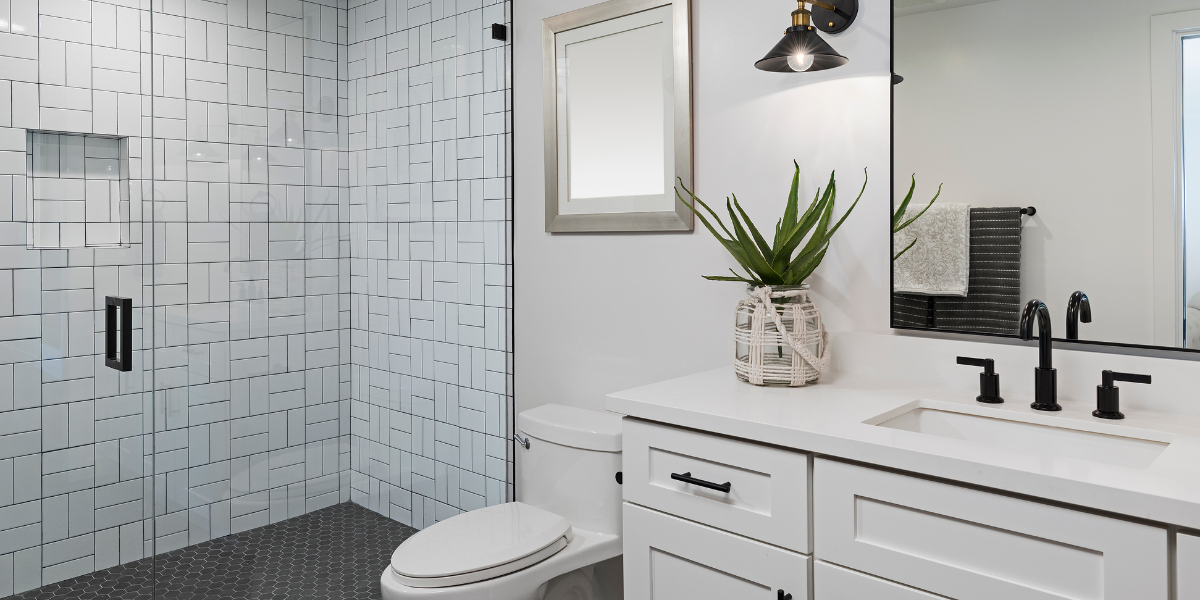
Pair neutral tones with natural light from an existing window, glass shower doors, or large mirrors as a simple design choice that enhances usable space without sacrificing style or precious space.
Use Mirrors to Your Advantage
Mirrors are one of the easiest ways to open up a small bathroom without changing the layout. A larger mirror helps reflect light and visually expand the room, which is especially helpful in a small space where every inch counts.
In a small room with limited counter space or a pedestal sink, a well-placed mirror can turn an otherwise tight area into a more balanced, comfortable space. It also helps create a clean look by reducing visual clutter around the sink and vanity.
Simple options work best. A plain, oversized mirror above a floating vanity or sink keeps the focus clean and modern, while mirror wall tiles can act as a creative solution when wall space is limited. A mirrored medicine cabinet is another smart choice, adding storage without sacrificing light.
These small bathroom design tips help make a little space feel intentional and open, without taking away from available space or style.
Choose Space-Saving Fixtures
When working with a small bathroom, the fixtures you choose make a significant difference in how the room functions on a day-to-day basis. Compact sinks, wall-mounted toilets, and smaller vanities open up the floor and make the space easier to move through.
A tiny sink or streamlined toilet may seem like a small change, but it can completely shift how the room feels, especially in older houses where layouts are tight.
Smaller fixtures free up space where it matters most—around the toilet, tub, and shower door—so the room doesn’t feel crowded. Wall-mounted options also create more visual breathing room, which helps the entire bathroom feel more open.
Pair these fixtures with built-in shelves, open shelves, or a floating shelf to keep storage practical without adding bulk.
Clever Storage Solutions
Storage is often the biggest challenge in a small bathroom, but the right setup can make the space feel organized instead of crowded. Floating shelves above the toilet or tucked neatly between studs use vertical space without getting in the way. They’re perfect for everyday items like towels or decor.
Built-in recessed shelving around the shower or vanity keeps essentials close while maintaining a clean look. These built-ins blend into the wall, which helps preserve a small bathroom feel and avoids bulky cabinets. Simple baskets or decorative boxes can also pull double duty—keeping items contained while adding warmth and texture.
Maximize the Shower Area
The shower can easily take over a small bathroom if it’s not planned carefully. Swap a swing-style shower door for sliding glass doors as a simple way to save space and improve flow. Sliding doors stay within the shower footprint, which helps keep walkways clear and prevents the room from feeling awkward to move through.
When a door isn’t an option, a shower curtain or framed glass panel can work just as well. Both keep sightlines open, which helps the room feel larger and less boxed in. Clear glass also keeps the shower from becoming a heavy focal point, allowing the rest of the space (like the vanity or sink area) to feel more balanced and open, even in a smaller layout.
Floating Vanity or Slimline Cabinets

A floating vanity can completely change how a small bathroom feels. By lifting the vanity off the floor, more of the room stays visible, which makes the space feel lighter and less crowded. That extra open area underneath keeps the layout from feeling boxed in, even when square footage is limited.
Slimline cabinets are another smart option when every inch counts. They provide storage without sticking too far into the room, keeping walkways clear. Floating shelves or open storage under the sink can also work well for everyday items, adding function without bulk.
Small Touches That Add Big Value
Good lighting can change everything in a small bathroom. Natural light, when available, helps the room feel open and inviting, but layered artificial lighting fills in the gaps when windows are limited or nonexistent. A mix of overhead lighting and focused light near the mirror keeps the space bright without making it feel harsh or overdone.
Keeping hardware and decor minimal also goes a long way. Simple finishes, clean lines, and a few intentional pieces prevent the room from feeling cluttered. Hooks, towel racks, and slim rails are practical additions that add function without crowding walking space.
Plan Layout Thoughtfully
Before making any changes, it helps to think about how the bathroom is actually used day to day. Morning routines, shared use, and storage needs all play a role in whether the space feels functional or frustrating. Paying attention to those habits makes it easier to design a layout that works naturally instead of forcing everything into a tight room.
Placing fixtures with movement in mind can reduce bottlenecks and make the bathroom feel easier to navigate. Keeping clear paths between the door, sink, toilet, and shower helps the space flow better, even when it’s small.
Small layout adjustments, like shifting a fixture a few inches or choosing a different orientation, can make a noticeable difference in comfort without requiring a full overhaul.
Bring Your Small Bathroom Together with the Right Team
Small, thoughtful changes can completely change how a bathroom feels. Better lighting, smarter storage, and the right layout can turn a tight space into something welcoming and easy to live with without needing to tear everything down to the studs.
Keystone State Restoration helps homeowners in the Johnstown area improve their homes with practical solutions that make sense. In addition to bathroom remodeling, we provide water damage restoration, fire damage restoration, mold remediation, and general construction services.
If you’re updating a small bathroom or dealing with a larger home issue, our team can help you plan your next steps with confidence. Reach out to us to schedule a consultation and talk through your project.
Conclusion
A small bathroom doesn’t have to feel limiting. With the right design choices, even the tightest space can feel intentional, comfortable, and easy to use. Paying attention to light, layout, and how the room functions day to day makes a noticeable difference, especially in homes where every square foot matters.
When changes are planned with purpose, the bathroom becomes less of an afterthought and more of a space that actually works for the people using it.
Frequently Asked Questions
How can I make a small bathroom feel bigger without moving walls?
Simple updates can go a long way. Using lighter colors, adding better lighting, choosing compact fixtures, and keeping sightlines open all help create a more open feel. Smart storage and thoughtful placement of fixtures can improve flow without changing the room’s footprint.
Are floating vanities and wall-mounted fixtures practical for everyday use?
Yes, floating vanities and wall-mounted fixtures are designed for daily use and can be just as durable as traditional options. They also help open up floor space, making the bathroom easier to clean and move through while still providing storage.
What’s the best shower option for a small bathroom?
Sliding glass shower doors or clear framed glass panels work well in smaller bathrooms because they don’t block visual space. In some cases, a simple shower curtain can also keep the room feeling open while offering flexibility and easier access.
When should I consider professional help for a small bathroom update?
If the layout feels awkward, plumbing needs to be adjusted, or moisture issues are present, it’s a good idea to work with a professional. A contractor can help plan updates that improve function, avoid costly mistakes, and make sure the space is safe and built to last.